Hydrotherapy Pools in Specialist Care Settings: Design Considerations and Long-Term Value
The role of hydrotherapy within specialist care has evolved significantly over the past decade. Once viewed as an additional therapeutic feature, hydrotherapy is now increasingly recognised as an integral part of delivering high-quality care, supporting rehabilitation, improving mobility and enhancing quality of life for people with complex physical needs.
For care providers, healthcare architects and contractors, this growing demand brings new opportunities as well as new challenges. Creating a successful hydrotherapy space requires far more than installing a pool. Effective hydrotherapy pool design demands careful coordination between clinical requirements, building services, specialist equipment, accessibility and long-term operational management.
When considered early in the design process, hydrotherapy facilities can become a valuable asset that supports residents, staff and the wider organisation for many years. However, when specialist requirements are introduced too late, projects can quickly encounter costly redesign, programme delays and compromises in functionality.
This article explores the key considerations involved in designing hydrotherapy pools for specialist care settings and how organisations can maximise the long-term value of these important therapeutic environments.
Why Hydrotherapy Is Becoming More Important in Specialist Care Environments
As specialist care providers continue to support individuals living with complex neurological conditions, physical disabilities, acquired brain injuries and age-related mobility challenges, there is growing recognition of the benefits that water-based therapy can provide.
The natural buoyancy of water reduces pressure on joints while supporting movement that may otherwise be difficult or impossible on land. Warm water can also promote muscle relaxation, improve circulation and reduce pain, allowing therapists to deliver exercises that encourage strength, flexibility and confidence.
For many residents, hydrotherapy also provides important psychological benefits. Participating in water-based activities can increase independence, improve wellbeing and create positive experiences that contribute to overall quality of life. These outcomes explain why many organisations now see a hydrotherapy pool for care homes not simply as an attractive facility, but as part of a wider therapeutic strategy that supports person-centred care.
At the same time, hydrotherapy spaces can help providers differentiate themselves within an increasingly competitive market. Families are often looking beyond accommodation alone, seeking environments that actively promote rehabilitation, dignity and independence. Well-designed hydrotherapy facilities can therefore contribute to both improved care outcomes and stronger occupancy rates.
Hydrotherapy Pool Design Starts Long Before Construction
One of the most common misconceptions is that the pool itself is the primary design challenge. In reality, successful hydrotherapy pool design begins during the earliest planning stages.
Architects, design managers and contractors must consider how the hydrotherapy environment will function as a complete therapeutic space rather than as an isolated room.
Questions that should be addressed early include:
- Who will use the pool?
- What conditions will it support?
- How many staff will typically assist sessions?
- What equipment will be required?
- How will residents safely access and leave the water?
- What maintenance access is needed throughout the facility’s life?
By answering these questions during concept design, project teams can avoid late-stage changes that often affect structural layouts, mechanical services and specialist equipment integration.
This proactive approach is particularly valuable for design managers who are responsible for coordinating multiple disciplines while protecting programme, budget and buildability. Early collaboration reduces uncertainty and ensures specialist equipment is fully considered before construction begins.
Designing Accessible Hydrotherapy Pools
Accessibility sits at the heart of every successful hydrotherapy environment.
Many users may have limited mobility, rely on wheelchairs, require hoisting assistance or need support from multiple carers throughout their therapy sessions. Every stage of the user journey should therefore be carefully considered.
Effective accessible hydrotherapy pools are designed around safe, dignified movement rather than simply meeting minimum accessibility standards.
This often includes generous circulation spaces, level access routes, non-slip flooring, suitable changing facilities and clear separation between wet and dry areas. Lighting, acoustics and wayfinding also play an important role, particularly for individuals with sensory processing challenges or cognitive impairments.
The design should allow users to move confidently through each stage of their visit while enabling staff to provide assistance without unnecessary manual handling or operational constraints.
Importantly, accessibility should not be viewed as a series of individual features. Instead, it should be considered as an integrated experience that supports both residents and care teams.
Integrating Specialist Equipment from the Outset
The effectiveness of a hydrotherapy environment depends heavily on how specialist equipment is coordinated within the wider building design.
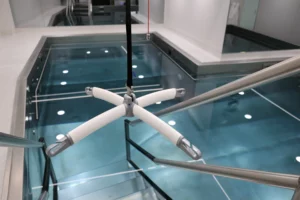
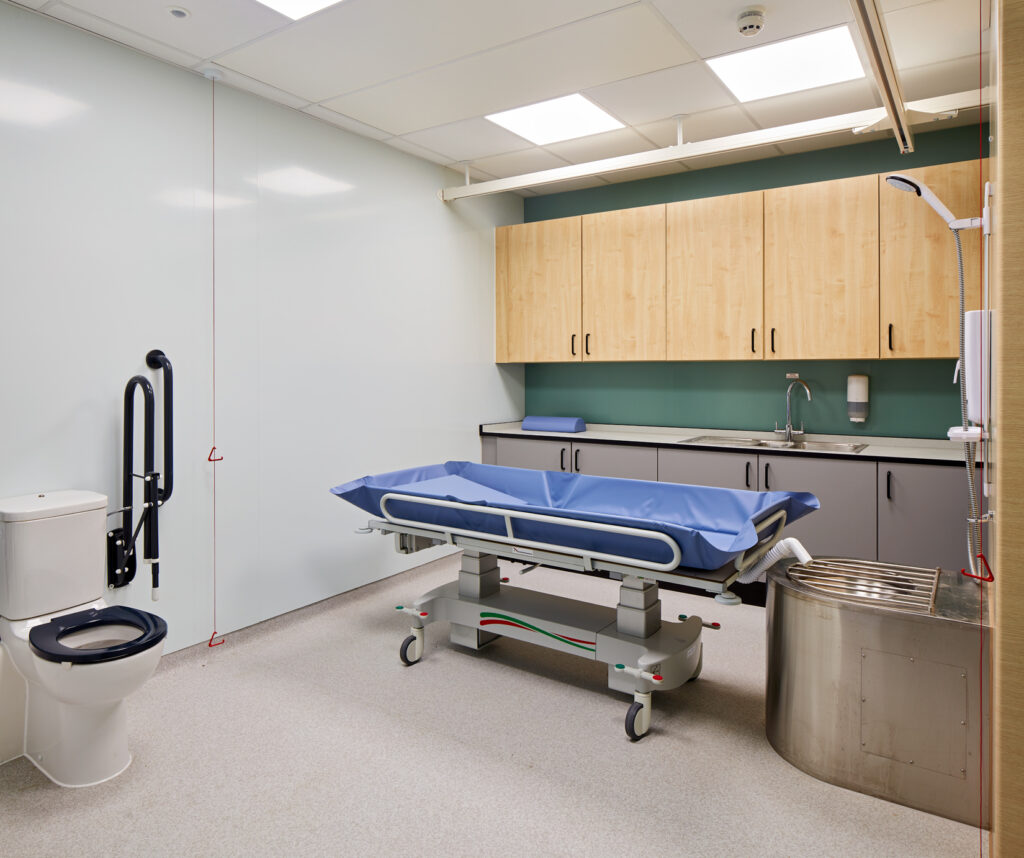
Pool hoists, ceiling track systems, changing benches, hygiene equipment and accessible changing facilities all need to work together seamlessly.
Unfortunately, these elements are often specified after the building design has progressed, leading to avoidable coordination challenges. Structural supports may already be fixed, mechanical services may conflict with lifting systems or spatial allowances may be insufficient for safe operation.
Early coordination helps avoid these issues.
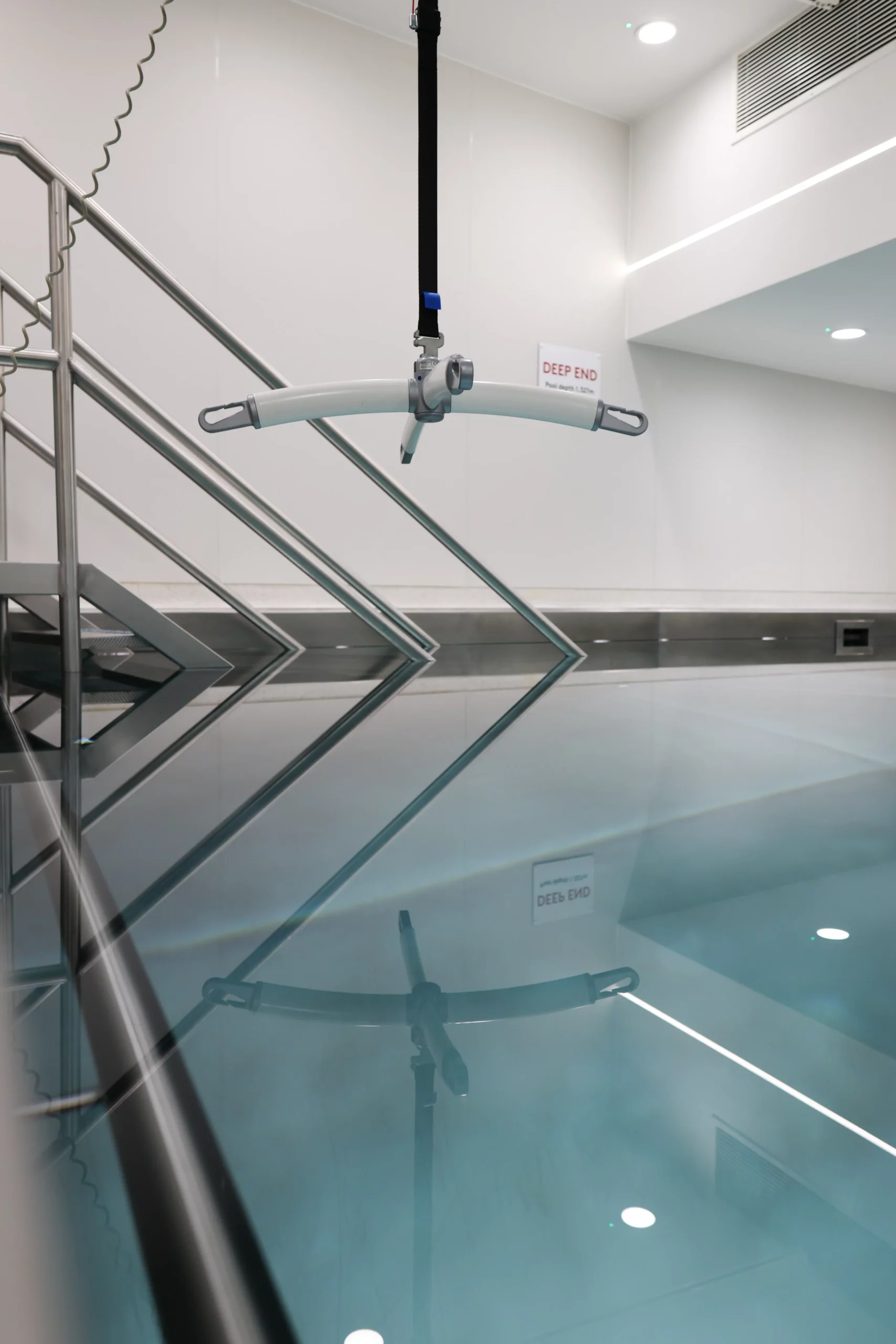
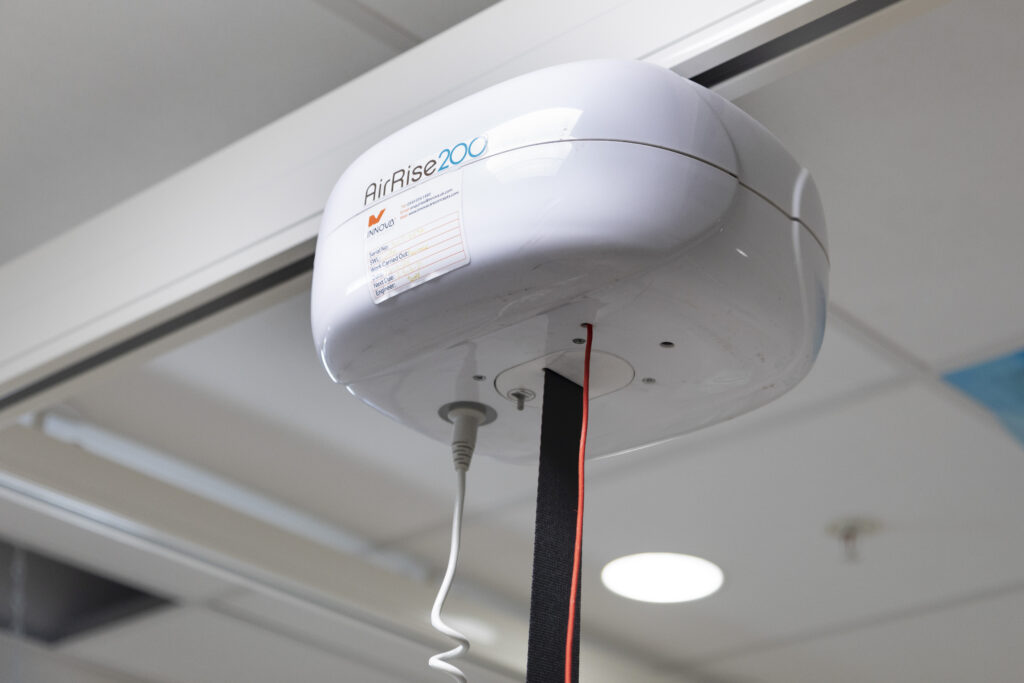
For example, ceiling hoist systems frequently require structural reinforcement and coordination with lighting, ventilation and ceiling services. Similarly, pool access equipment may influence surrounding floor construction, drainage and circulation space.
By considering these requirements from the beginning, project teams can develop practical, buildable solutions that integrate naturally within the overall design rather than appearing as later additions.
This joined-up approach also simplifies installation, reduces programme risk and provides greater confidence that equipment will perform as intended once the facility becomes operational.
Creating Therapy Spaces That Support Clinical Practice
Effective therapy pool design is about much more than the water itself.
Therapists require environments that enable safe assessment, treatment and progression for individuals with varying levels of mobility and independence. Pool dimensions, water depth, temperature control and surrounding circulation should all reflect the intended therapeutic activities.
Some environments may prioritise individual rehabilitation sessions, while others may support group therapy or structured exercise programmes. Understanding these operational requirements helps ensure the space remains flexible as care needs evolve.
Supporting spaces are equally important. Changing rooms, drying areas, storage for specialist equipment and staff preparation spaces should all be located to minimise unnecessary movement while maintaining privacy and dignity for residents.
The result is a therapeutic environment that works efficiently for clinicians while delivering a positive experience for service users.
Operational Planning Is Just as Important as Design
Even the most carefully designed hydrotherapy pool can become difficult to manage if operational requirements are overlooked. Daily operation involves far more than delivering therapy sessions.
Facilities teams must manage water quality, plant equipment, cleaning regimes, compliance checks and preventative maintenance while ensuring disruption to residents remains minimal.
Clinical teams need straightforward access to equipment that is reliable, intuitive and available when required. These operational realities should influence design decisions from the earliest stages. Providing adequate plant room access, safe storage, logical equipment layouts and straightforward servicing arrangements all contribute to smoother day-to-day management.
This operational thinking also supports facilities managers by reducing unnecessary maintenance complexity and helping keep essential equipment operational throughout its lifecycle. For long-term support, organisations should also consider planned servicing and maintenance from the outset.
Protecting Long-Term Investment
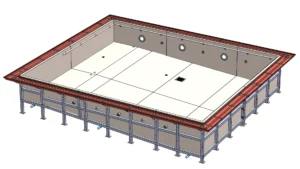
Hydrotherapy facilities represent a significant investment, making lifecycle value an important consideration for every provider. While initial capital cost remains important, whole-life performance often delivers greater value over time. Selecting durable finishes, specifying robust specialist equipment and planning for ongoing servicing can reduce maintenance costs while extending operational life.
Equally important is ensuring the facility can adapt as care requirements change. Specialist care environments are continually evolving in response to changing resident profiles, new therapeutic approaches and advances in technology. Flexible design allows organisations to respond without requiring major refurbishment.
Planning for future adaptability protects investment while helping providers maintain high-quality therapeutic services over many years.
Why Coordination Makes the Difference
One of the biggest risks in specialist projects is fragmentation.
Hydrotherapy pools involve architects, structural engineers, M&E consultants, contractors, therapists, facilities managers and multiple specialist equipment suppliers. When each discipline works independently, coordination gaps inevitably emerge.
By contrast, bringing specialist expertise into the project early creates opportunities to identify potential issues before they become costly site problems. This collaborative approach simplifies decision-making, improves communication and reduces the likelihood of late-stage redesign.
Rather than treating hydrotherapy as a standalone package, successful projects consider it as part of a fully integrated care environment where equipment, building design and operational requirements work together.
For contractors and design managers, this reduces coordination risk and helps protect programme certainty. For care providers, it delivers greater confidence that the finished facility will perform effectively from day one. Innova’s Wellington Hospital hydrotherapy pool and hoist installation shows a collaborative approach where pool delivery, hoisting and plant infrastructure were brought together as one specialist solution.
Maximising the Value of Hydrotherapy Facilities
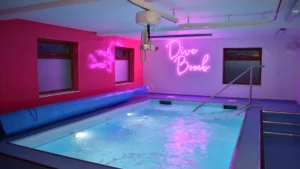
The greatest long-term value comes from viewing hydrotherapy as part of a wider care strategy rather than simply a construction project. Well-designed hydrotherapy facilities support rehabilitation, improve resident wellbeing, reduce manual handling challenges and enhance the working environment for clinical teams.
They can also strengthen an organisation’s reputation by demonstrating a commitment to high-quality, person-centred care. Achieving these outcomes depends on thoughtful planning, practical design and coordinated delivery.
When specialist equipment is fully integrated from the earliest design stages, providers avoid unnecessary complexity while creating environments that remain functional, efficient and adaptable throughout their operational life.
Conclusion
As demand for high-quality specialist care environments continues to grow, hydrotherapy is becoming an increasingly valuable component of modern care provision.
Successful hydrotherapy pool design goes beyond creating an attractive therapeutic space. It requires early collaboration, careful equipment integration and a clear understanding of how residents, therapists and facilities teams will use the environment every day.
By considering accessibility, operational requirements and lifecycle performance from the outset, organisations can create accessible hydrotherapy pools that deliver meaningful therapeutic outcomes while protecting long-term investment.
For care providers, architects and contractors alike, the most successful projects are those where specialist expertise is introduced early, coordination is prioritised, and every design decision contributes to a safe, practical and future-ready environment. That approach not only improves project delivery but also creates hydrotherapy spaces that continue to support dignity, independence and wellbeing for years to come.
Planning a hydrotherapy pool project? Explore Innova’s hydrotherapy pool solutions or view our case studies to see how coordinated specialist equipment can support safer, more accessible care environments.

Speak to The Experts
Need assistance with product enquiries, general enquiries, or product support? Our phonelines are open 9am - 5pm Monday to Friday. Or, fill out the form for a call back.