Why Modular Changing Places Toilets Are Transforming Accessible Public Spaces
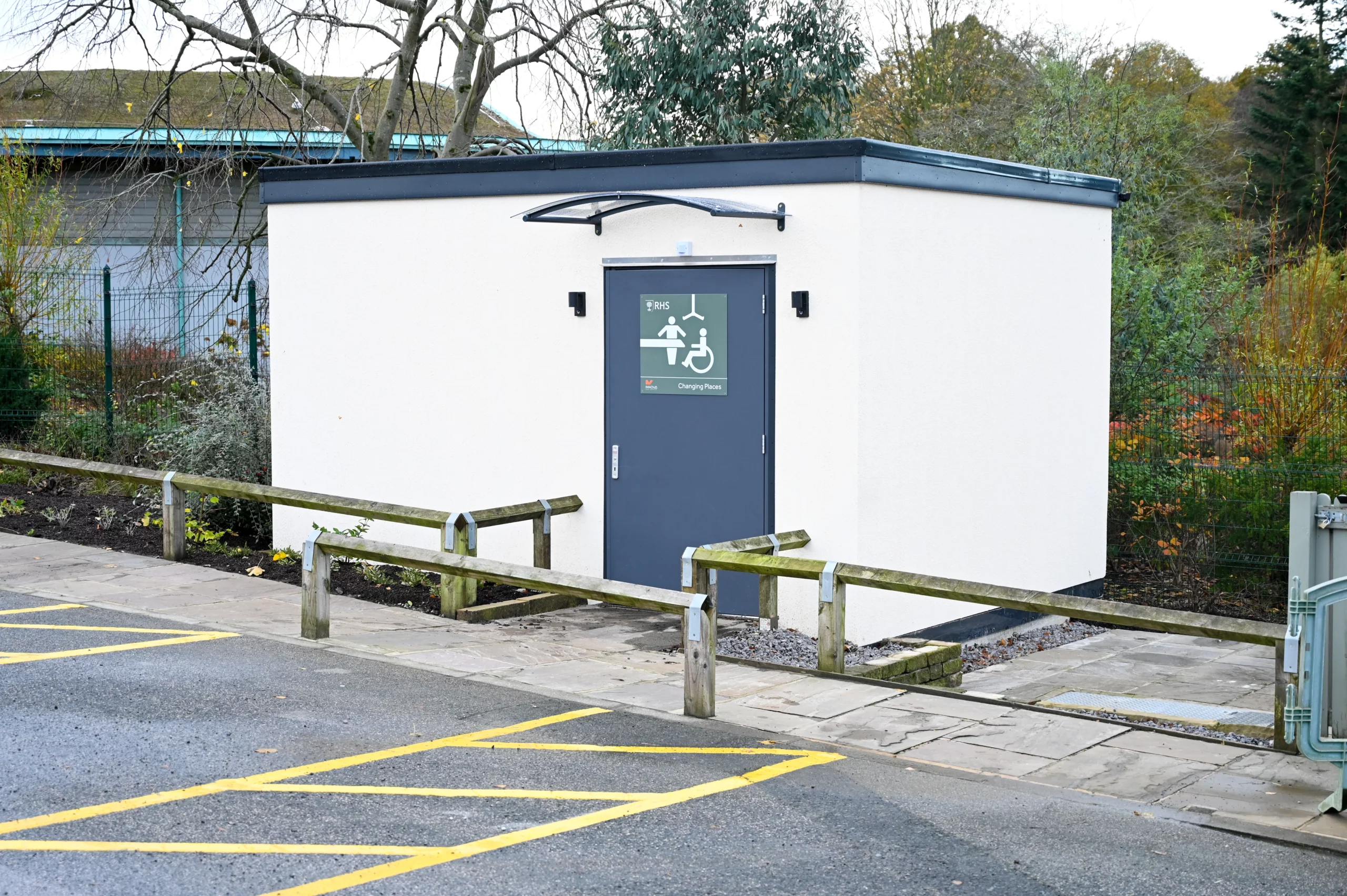
Creating genuinely inclusive public environments has become a growing priority for local authorities, architects, contractors and public venue operators across the UK. Whether delivering a new leisure centre, transport hub, visitor attraction, university campus or civic building, accessibility is no longer viewed as an optional enhancement; it is an essential part of responsible, future-focused design.
Yet delivering high-quality accessible facilities often presents significant project challenges. Multiple specialist suppliers, complex structural requirements, programme pressures and tight budgets can all make accessibility improvements more difficult than they need to be.
This is where modular Changing Places toilets are changing the conversation.
Rather than treating accessibility as another isolated package within an already complex project, modular solutions provide a coordinated approach that reduces disruption, simplifies installation and delivers consistent quality. Combined with integrated ceiling hoist systems, modern hygiene equipment and carefully considered layouts, these facilities allow organisations to provide dignified, inclusive spaces while keeping projects on programme.
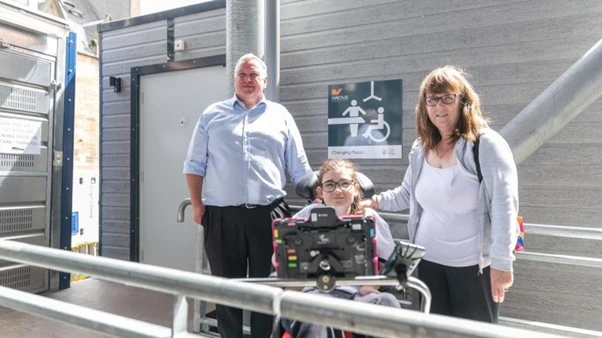
What Is a Modular Changing Places Toilet?
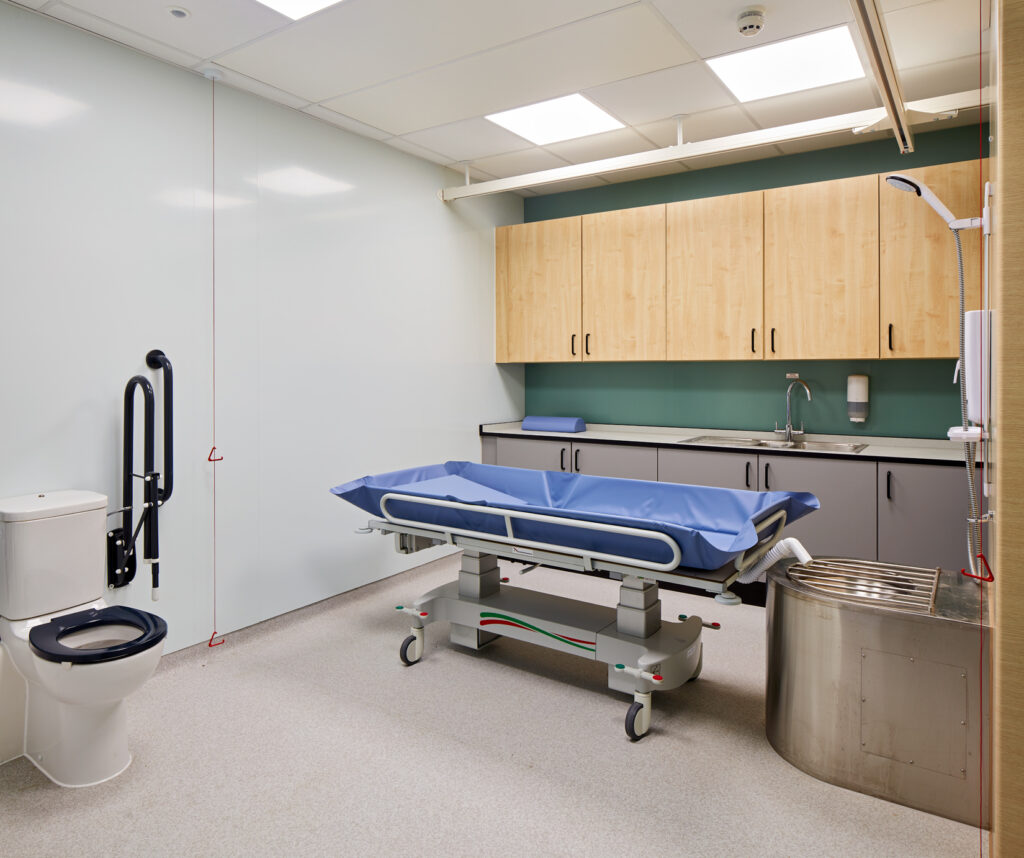
A Changing Places toilet provides significantly more space and specialist equipment than a standard accessible WC, enabling people with profound and multiple disabilities to use public facilities safely, comfortably and with dignity.
Unlike traditional accessible toilets, Changing Places facilities are designed for users who cannot use standard disabled toilets independently and may require assistance from one or two carers.
Typical features include:
- Integrated ceiling hoist systems
- Adult-sized height-adjustable changing benches
- Peninsular toilets
- Privacy screens
- Wash basins positioned for assisted use
- Adequate circulation space
- Emergency alarms
- Specialist disabled access equipment
- Safe storage and hygiene facilities
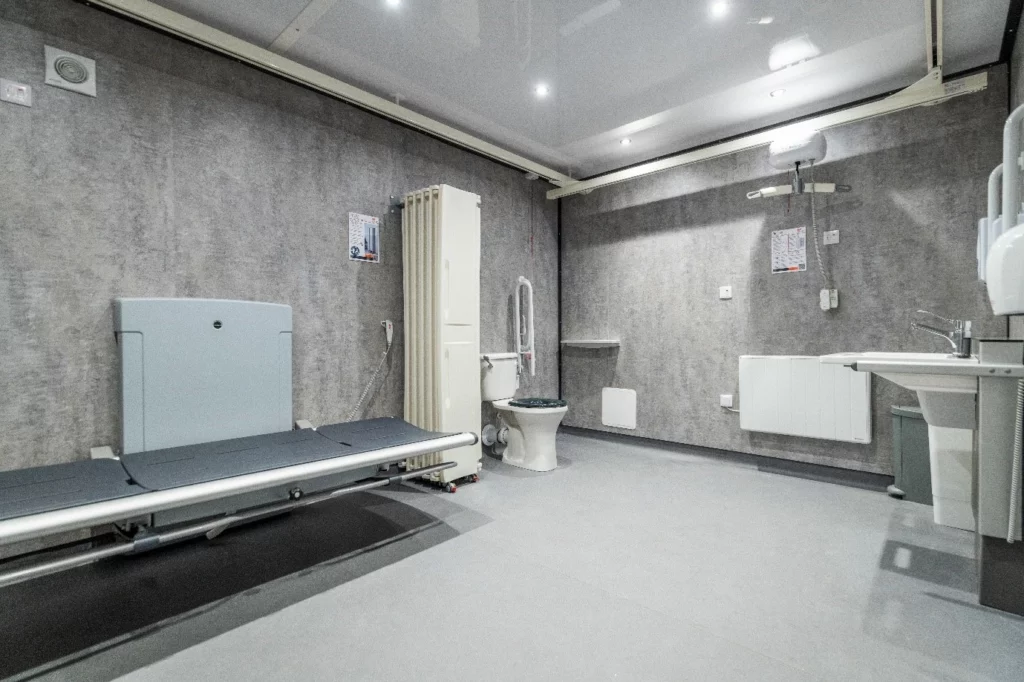
These features work together to create an environment where safe, dignified personal care can take place without compromise. Modular construction takes this concept a step further.
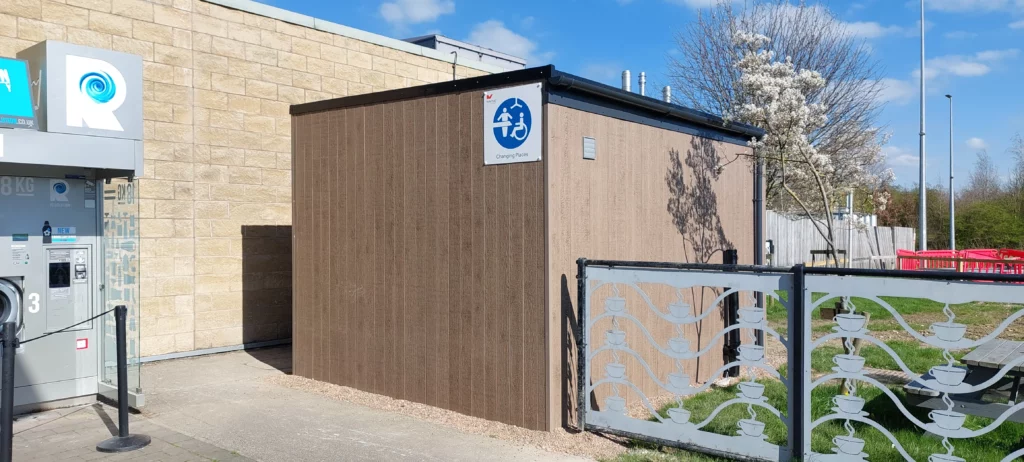
Rather than constructing every element individually on site, the entire Changing Places facility is manufactured in a controlled factory environment before being delivered largely complete. Once delivered, the unit can often be installed far more quickly than traditional construction methods, significantly reducing site disruption and improving programme certainty.
Why Accessibility Projects Become So Complex
On paper, a Changing Places facility may appear to be a relatively straightforward room. In reality, it brings together numerous specialist disciplines that all need careful coordination.
A typical project may involve:
- Structural engineers
- Architects
- Mechanical and electrical consultants
- Specialist hoist suppliers
- Hygiene equipment providers
- Main contractors
- Building control
- Accessibility consultants
- Estates and facilities teams
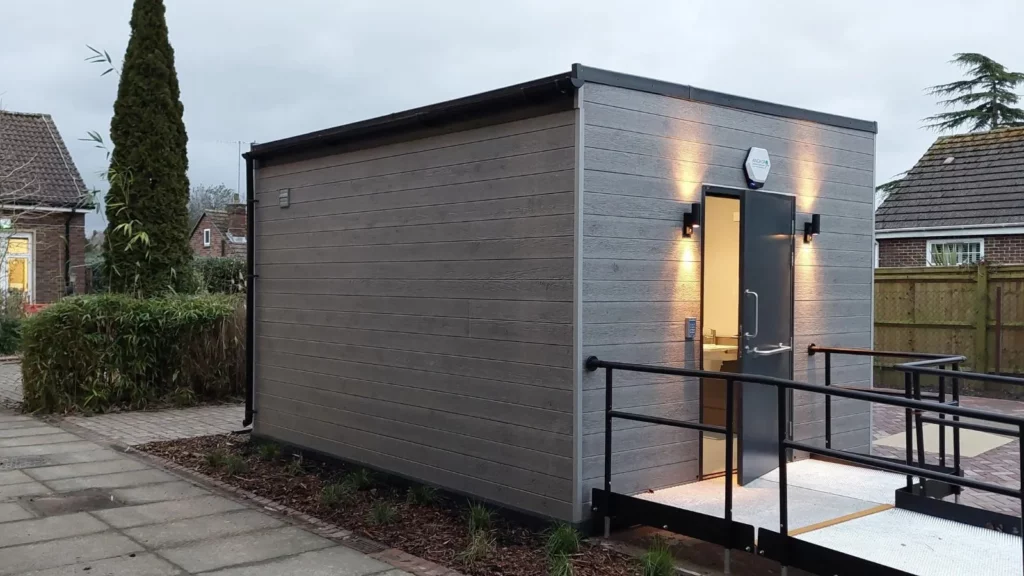
Each additional supplier introduces another layer of communication, programme management and potential risk. This complexity is often one of the biggest frustrations for both architects and contractors.
Architects want confidence that specialist equipment will complement (not compromise) the overall design vision. Contractors need suppliers who understand live construction programmes and can deliver coordinated, buildable solutions rather than introducing new design challenges midway through a project.
The Modular Advantage: Faster Delivery with Less Disruption
One of the greatest strengths of modular Changing Places facilities is their ability to simplify project delivery from the outset. Because much of the construction takes place off-site, several activities happen simultaneously rather than sequentially.
While groundwork is completed on site, the modular unit can already be progressing through manufacture. Internal finishes, electrical installations, plumbing, specialist equipment installation and quality inspections can all be undertaken within controlled factory conditions.
The result is a far shorter on-site programme.
For public buildings that remain operational throughout construction, this reduction in disruption is especially valuable.
Facilities like leisure centres, shopping centres, museums, stadiums, universities, transport hubs, parks, and healthcare environments often cannot accommodate lengthy building programmes that affect visitors or daily operations.
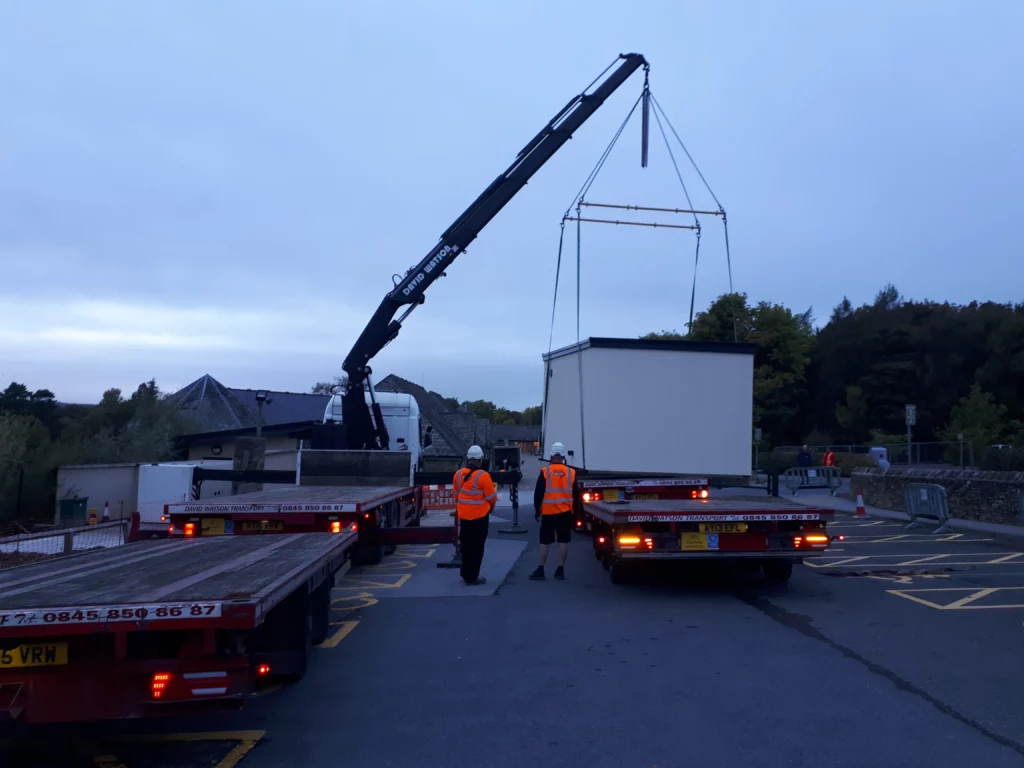
Modular installation significantly reduces:
- Site traffic
- Construction noise
- Temporary closures
- Programme uncertainty
- Weather-related delays
- Health and safety risks associated with prolonged site activity
For local authorities delivering multiple accessibility improvements across their estate, this repeatable approach also creates greater consistency between projects.
Why Integrated Ceiling Hoist Systems Matter
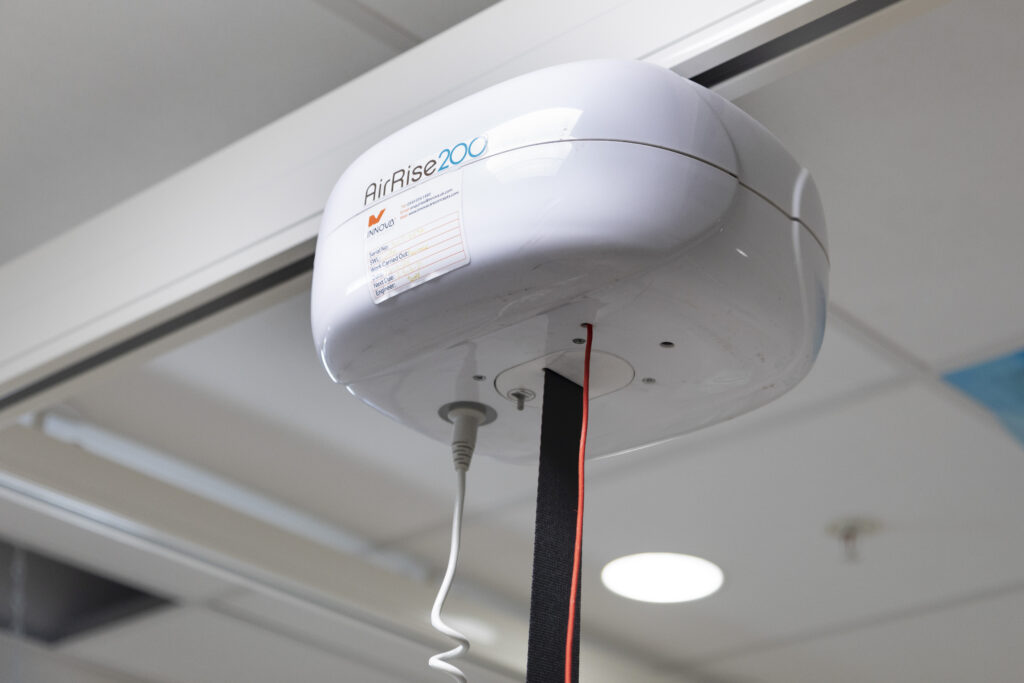
While the room itself is important, the specialist equipment within it ultimately determines how functional a Changing Places facility becomes. Among the most important components are ceiling hoist systems. These systems provide safe, comfortable transfers for individuals with limited mobility while reducing physical strain on carers and support staff.
Unlike mobile hoists, which require significant floor space and can create manoeuvring challenges, ceiling track hoists operate overhead, leaving valuable floor area clear for assisted care.
This delivers several practical advantages:
- Easier patient transfers
- Improved manoeuvrability for carers
- Better use of available space
- Reduced manual handling risks
- Enhanced user dignity
- More efficient day-to-day operation
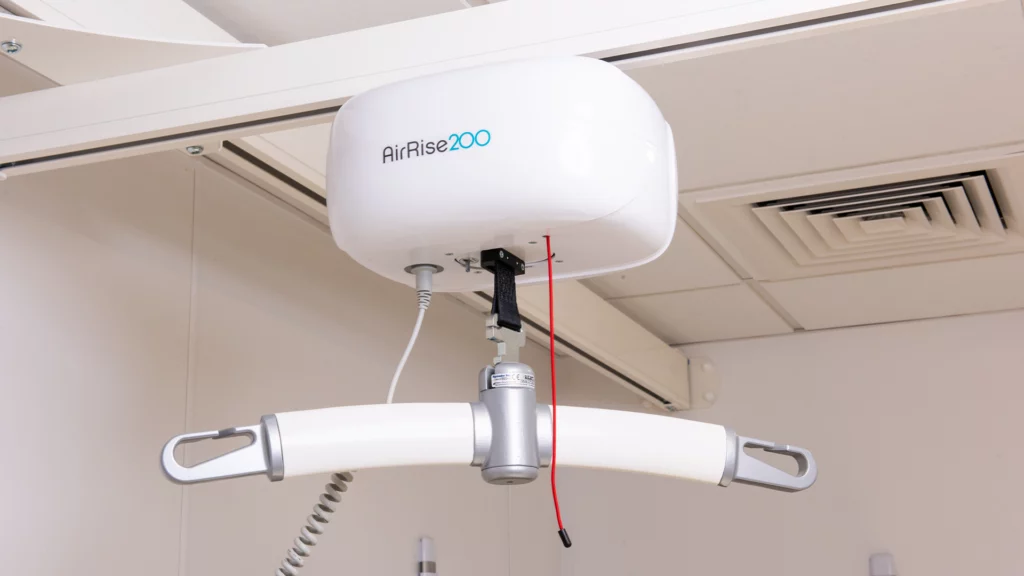
In busy public environments where facilities may be used by visitors with a wide range of mobility requirements, reliability and ease of use become particularly important. Well-designed patient transfer systems support both users and carers while helping operators provide facilities that genuinely meet the needs of their communities.
Although many people associate hoists with hospitals or home care adaptations, today’s technology enables the same principles of safe transfer and dignified care to be incorporated seamlessly into public environments.
The same engineering principles behind domestic hoist systems can inform high-quality public accessibility solutions, ensuring equipment is intuitive, dependable and designed around the people who use it.
For architects and contractors alike, early integration protects both programme and design quality, helping accessibility become an integral part of the building rather than an afterthought.
Reducing Coordination Through One Specialist Partner
One of the biggest challenges in delivering specialist accessible environments is managing the number of suppliers involved.
A traditional Changing Places installation might require separate providers for ceiling hoist systems, changing benches, washroom equipment, hygiene products, structural supports, servicing and ongoing maintenance. Each supplier brings their own drawings, technical requirements, installation schedules and communication processes.
The result is often increased coordination, greater administrative burden and more opportunities for delays.
For architects, this can mean protecting carefully considered designs from late-stage compromises. For contractors, it often results in additional design coordination meetings, programme changes and unexpected site issues. Estates teams then inherit multiple maintenance providers with differing service schedules and compliance requirements.
A coordinated specialist equipment partner removes much of this complexity.
Rather than managing several disconnected packages, project teams benefit from a single point of contact responsible for integrating specialist equipment throughout the project lifecycle. This approach supports better communication, clearer accountability and fewer opportunities for important details to fall between different suppliers.
For organisations responsible for public accessibility programmes across multiple sites, that consistency becomes even more valuable.
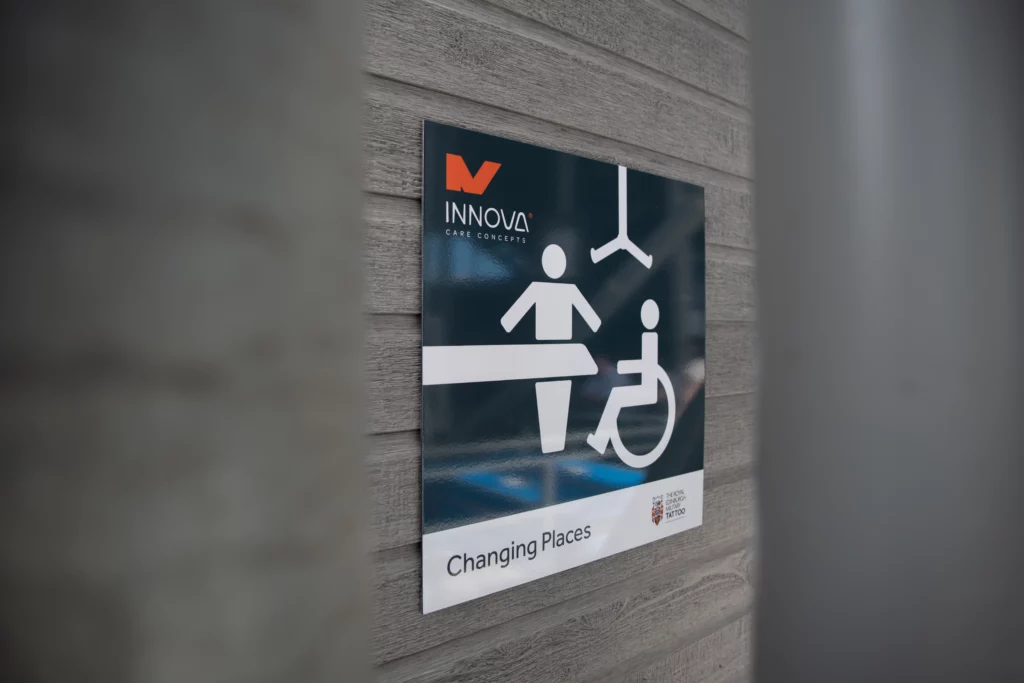
Supporting Architects Without Compromising Design
Architects want accessibility features that feel integrated within the wider environment rather than appearing as functional additions introduced at the end of a project. When specialist suppliers become involved too late, structural requirements, ceiling supports or equipment locations can force redesigns that affect both aesthetics and usability.
Modular Changing Places facilities help avoid this by encouraging earlier coordination.
With equipment layouts, structural requirements and servicing considerations resolved from the outset, architects retain greater confidence that their original design intent will be delivered successfully.
This aligns closely with the priorities of design-led individuals, who value specialist partners capable of contributing meaningful expertise without adding unnecessary complexity. Instead of simply supplying products, the right partner becomes an extension of the design team – helping translate accessibility requirements into practical, elegant solutions that work in everyday use.
The result is public facilities that are visually cohesive, operationally effective and genuinely inclusive.
Long-Term Benefits for Estates and Facilities Teams
Delivering a Changing Places facility is only the beginning.
Public organisations remain responsible for ensuring specialist equipment continues operating safely and reliably throughout its lifecycle. That means servicing, inspections, compliance, repairs and preventative maintenance all need careful planning.
Without a coordinated maintenance strategy, estates teams can quickly find themselves managing multiple service providers, separate compliance schedules and fragmented asset records. Over time, this increases administrative workload and introduces unnecessary operational risk.
Working with a single specialist provider simplifies ongoing management.
Planned preventative maintenance can be coordinated across multiple equipment types, helping organisations maintain compliance while reducing disruption to day-to-day operations. For busy public venues, reliability is particularly important.
If a Changing Places facility becomes unavailable because essential equipment has not been maintained, it can significantly affect visitors who rely upon those facilities.
Proactive maintenance helps ensure accessibility remains consistently available rather than simply meeting minimum compliance requirements.
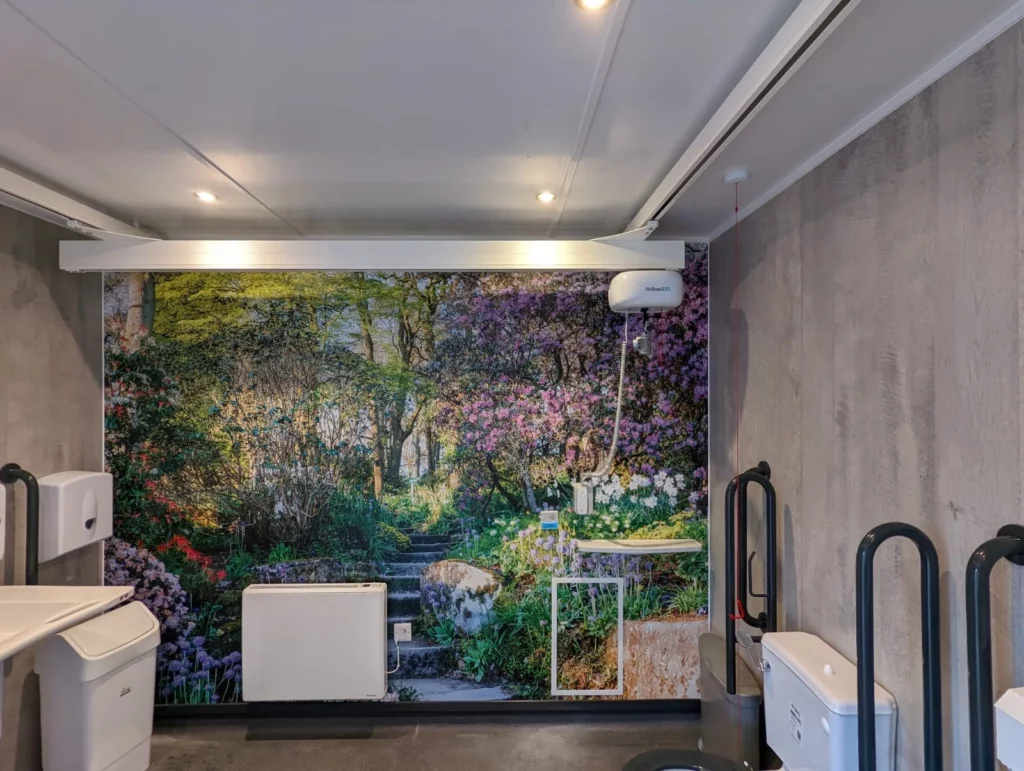
Inside the modular Changing Places toilet at RHS Harlow Carr.
Future-Proofing Public Spaces for Changing Needs
An ageing population, increasing awareness of inclusive design and changing legislative expectations all mean organisations must think beyond today’s immediate requirements.
Investing in modular Changing Places facilities supports a more flexible, future-focused approach.
Because modular solutions are manufactured using repeatable, scalable processes, organisations can deliver consistent accessibility improvements across wider estates without starting from scratch each time.
This is particularly relevant for:
- Local authority property portfolios
- University campuses
- Healthcare estates
- Leisure trusts
- Visitor attractions
- Transport operators
- Commercial landlords
- Large public venues
Rather than approaching accessibility as isolated projects, organisations can develop longer-term improvement strategies that expand over time while maintaining consistent standards of quality and user experience.
Integrated ceiling hoist systems, adaptable layouts and carefully coordinated disabled access equipment also provide greater flexibility as user requirements continue to change.
Ultimately, future-proofing is about creating environments that remain practical, compliant and welcoming for many years to come.
Accessibility Is About More Than Compliance
Meeting regulations is important, and creating genuinely inclusive public spaces is even more important.
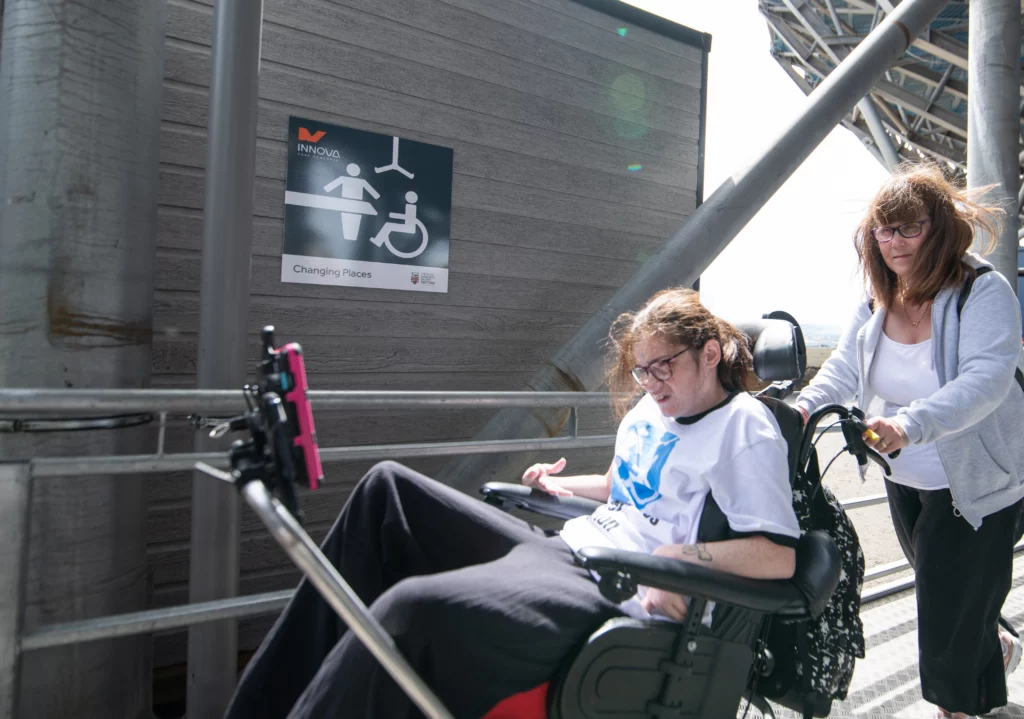
Changing Places facilities provide something that standard accessible toilets cannot: the opportunity for many disabled people and their carers to participate more fully in everyday life.
Every well-designed Changing Places facility helps remove barriers that would otherwise prevent people from accessing public life with confidence and dignity.
For organisations investing in accessibility, the objective should never be to simply satisfy minimum standards. Instead, it should be to create environments that genuinely work for the people who use them.
Conclusion
As expectations around accessibility continue to rise, public organisations need solutions that balance inclusion, efficiency and long-term value.
Modular Changing Places toilets offer exactly that.
By reducing construction time, simplifying coordination and integrating specialist equipment such as ceiling hoist systems, they enable local authorities, architects, contractors and public venue operators to deliver meaningful accessibility improvements with greater confidence.
Rather than managing multiple fragmented suppliers, project teams benefit from one coordinated approach that protects design intent, supports efficient delivery and reduces ongoing operational complexity.
Most importantly, these facilities help create public spaces where everyone can participate with dignity, independence and confidence.

Speak to The Experts
Need assistance with product enquiries, general enquiries, or product support? Our phonelines are open 9am - 5pm Monday to Friday. Or, fill out the form for a call back.