The Changing Places Business Case: Why It Belongs in Every Corporate Accessibility Strategy for 2027

The case for installing Changing Places toilets across a retail, transport or leisure estate goes beyond meeting accessibility requirements. For some disabled people, these facilities are essential to being able to visit a venue at all. They can also help businesses make their sites more inclusive, plan for relevant building requirements and demonstrate practical progress against accessibility and ESG commitments.
This guide is for ESG and accessibility leads, facilities directors and CSR managers planning improvements across multiple sites. It covers the benefits of provision, the requirements to consider, how to budget for a rollout and how to coordinate delivery across an estate.
What is the Changing Places business case for a commercial estate?
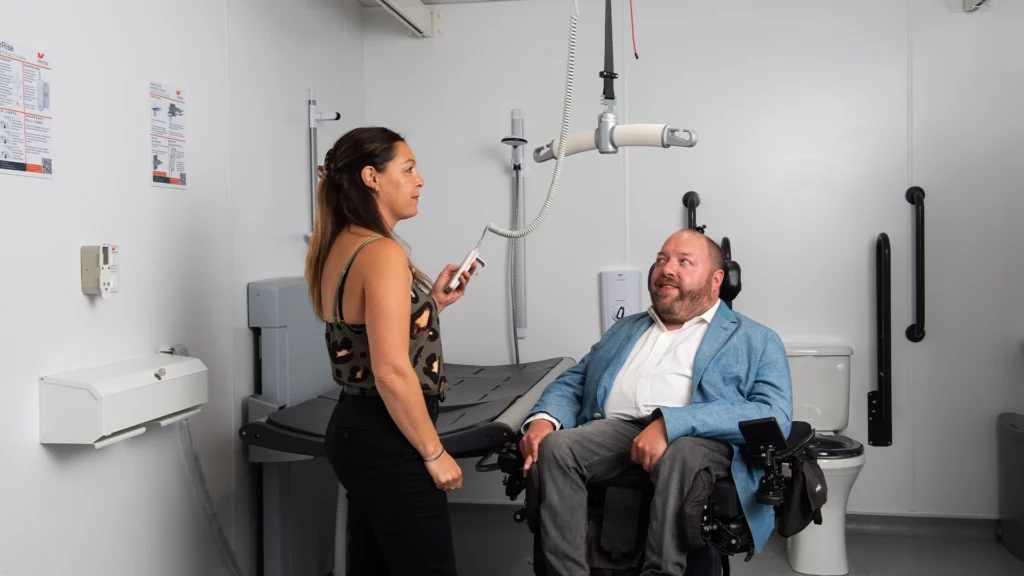
Standard accessible toilets don’t provide the space and equipment needed by everyone. People who need a ceiling hoist, an adult-sized changing bench and room for up to two carers may be unable to use a venue if a Changing Places toilet isn’t available. That can affect not only the individual, but also the family or group visiting with them.
The Changing Places Consortium lists 2,692 registered facilities across the UK as of September 2026, against an estimated 250,000 people who need them.
Shopping centres, hospitals and tourist attractions are among the places where access to Changing Places toilets can make a real difference. Research cited in the government’s gov.uk announcement highlighted the importance of these facilities in enabling people to spend time outside the home. Without suitable facilities, some people also restrict how much they drink when going out, which can put their health at risk.
There is also a commercial consideration. Disability charity Purple estimates the annual spending power of disabled people and their households, often called the Purple Pound, at £274 billion a year. This figure covers a much wider group than Changing Places users, so it shouldn’t be treated as a direct estimate of the market a facility will bring in. However, because visitors often travel with family or carers, a lack of suitable facilities can affect whether an entire group chooses to visit and how long they stay.
Which buildings are expected to have a Changing Places toilet?
Since 1 January 2021, amendments to Approved Document M have expected at least one Changing Places toilet in these types of new building in England:
| Building type | Threshold |
|---|---|
| Assembly, recreation and entertainment buildings (including cinemas, museums, conference centres, motorway service areas) | Capacity of 350 or more people |
| Sites with a collection of smaller buildings, such as zoos, theme parks and sport or exhibition venues | Capacity of 2,000 or more people |
| Shopping centres, malls and retail parks | 30,000m² gross floor area or more |
| Retail premises | 2,500m² gross floor area or more |
| Sport and leisure buildings | More than 5,000m² gross floor area |
| Hospitals and primary care centres; crematoria and cemetery buildings | All |
The requirements for new buildings don’t mean every existing site must automatically be retrofitted. However, businesses planning new developments or refurbishments should consider Changing Places provision early, alongside the relevant building requirements. For larger estates, adopting a consistent approach can also make budgeting and project planning more straightforward than assessing each site at the last minute.
Why does Changing Places strengthen ESG reporting?
For businesses reporting on accessibility and inclusion, installing Changing Places toilets provides a tangible example of action. The number of facilities installed, their locations and their availability can all be recorded as part of a wider accessibility strategy. Registration with the Changing Places Consortium also helps people find facilities when planning a visit.
These figures are most useful when reported alongside wider measures, such as staff training, accessible customer information and feedback from disabled visitors. Installation alone doesn’t show how well a facility meets people’s needs in practice; it is also important to keep facilities available, maintained and easy to locate.
What does a Changing Places toilet actually require?
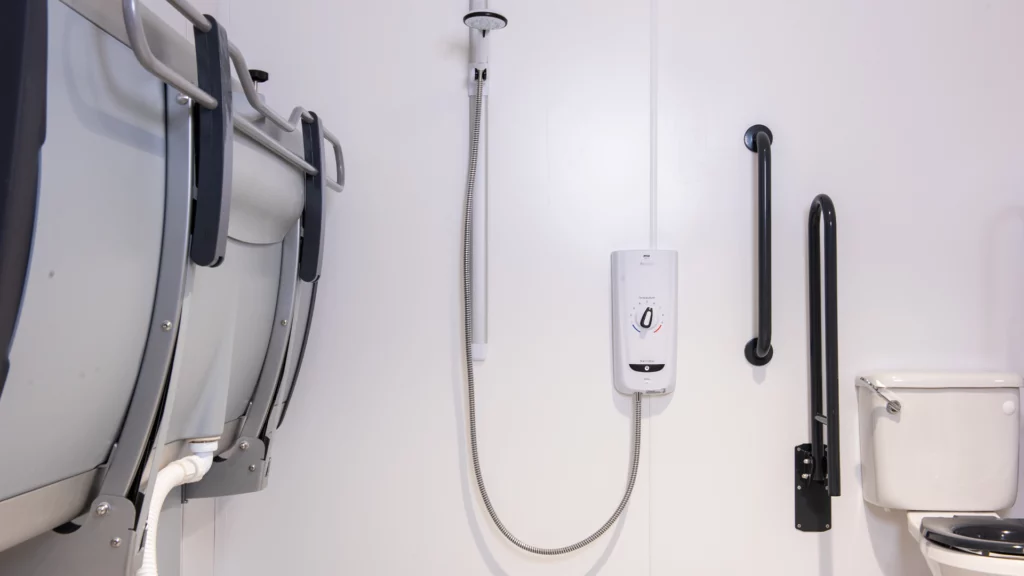
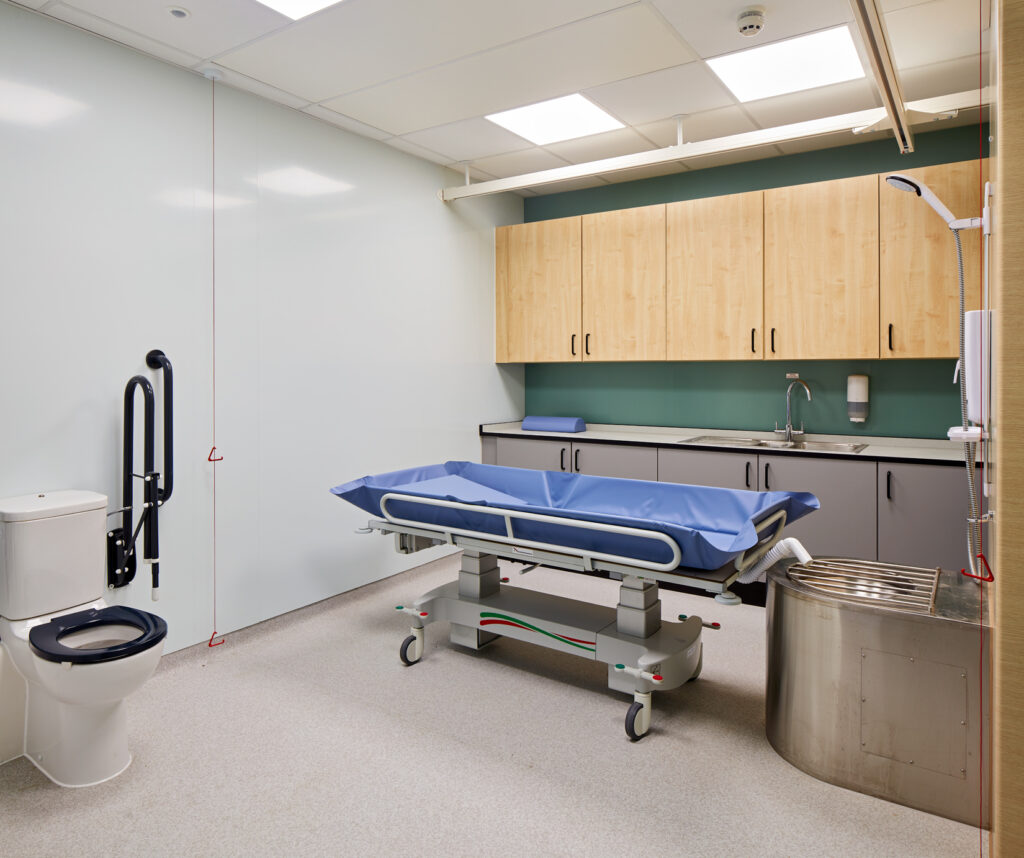
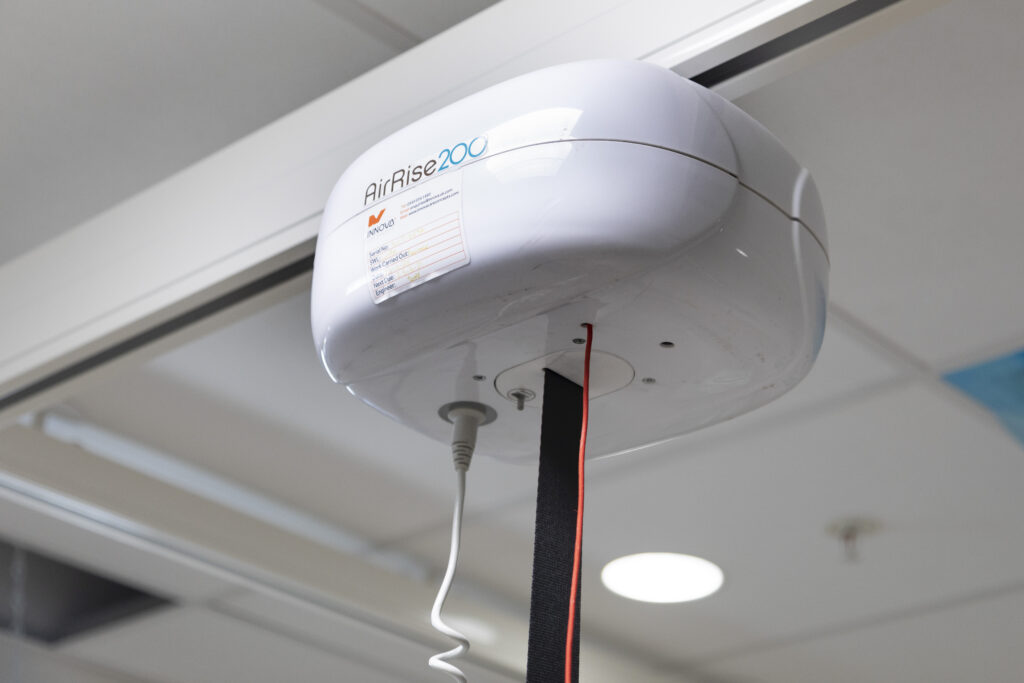
A Changing Places toilet needs more space and specialist equipment than a standard accessible WC. The design should follow the applicable guidance, including Approved Document M and BS 8300-2:2018. Key features include a ceiling track hoist, an adult-sized height-adjustable changing bench, a peninsular toilet with suitable transfer space and a height-adjustable washbasin. Innova’s Changing Places toilets page provides further information on the equipment involved.
Room dimensions, hoist coverage, structural support, drainage and equipment positioning all need to work together. Involving the right specialists at concept design stage can help identify problems before they lead to expensive changes on site.
Our guide to choosing the right location for a Changing Places toilet explains the main considerations when selecting a suitable location.

Can an existing accessible toilet be converted?
Converting an existing accessible toilet may be possible, but space is often the biggest challenge. A Changing Places facility needs room for the equipment, the person using it and their carers, with sufficient clearance for safe transfers. This may mean combining existing rooms or reworking the surrounding layout, so it is worth assessing feasibility and costs as part of a planned capital project.
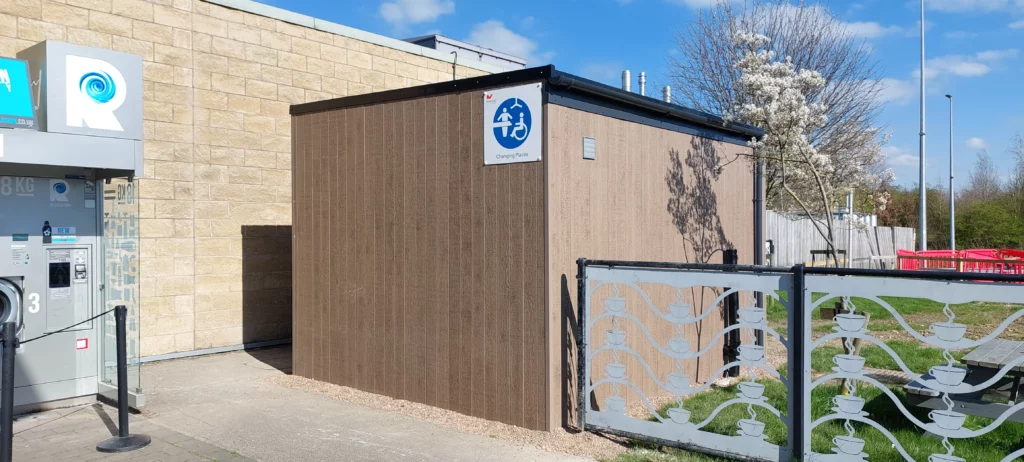
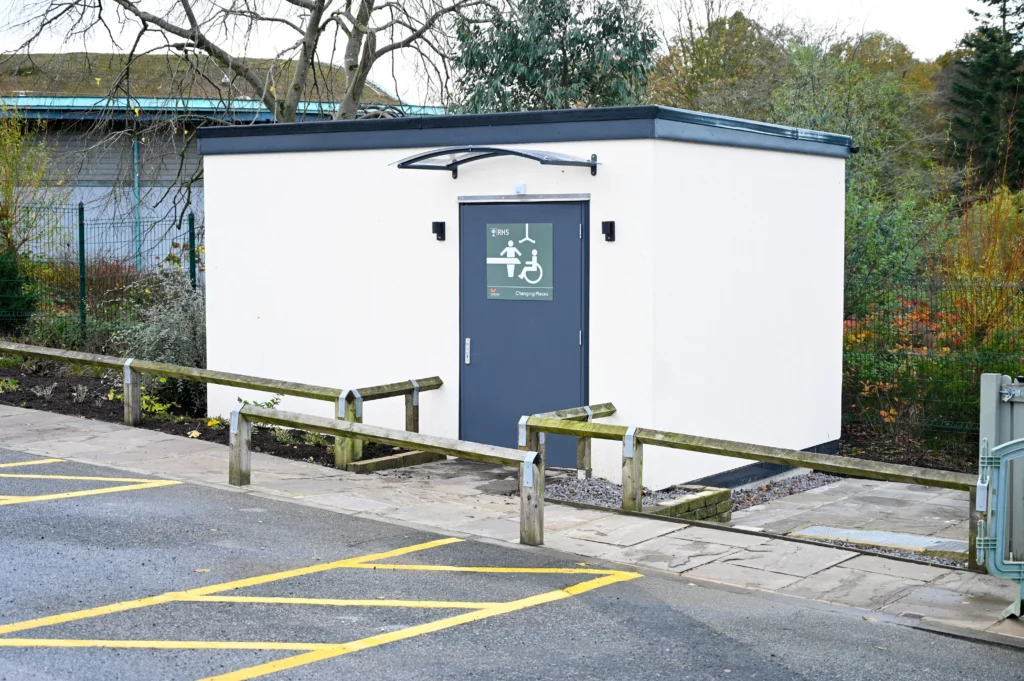
Where there isn’t enough suitable internal space, a modular Changing Places toilet may provide an alternative. A standalone unit can be particularly useful at sites where internal alterations would be difficult or disruptive.
What should we budget for a multi-site Changing Places rollout?
A Changing Places facility typically costs £26,000 to £41,000 installed, plus VAT, covering the equipment package and enabling works. Site conditions drive most of the variation, particularly structural work, drainage and finishes. As a planning figure, a ten-site programme would sit in the region of £260,000 to £410,000 plus VAT before site surveys refine it.
Running costs are modest by comparison. A basic service plan including six-monthly LOLER testing of the hoist starts from around £250 a year per site. Build that into the rollout plan from the start, ideally under one servicing and maintenance contract for the whole estate.
How should costs be phased across a 2027 roadmap?
Start by surveying the portfolio to understand which sites already have suitable facilities, where provision is missing and what work each location would need. The findings can then be used to phase the rollout, prioritising sites according to visitor needs, footfall, planned refurbishments and the complexity of the installation.
A portfolio-wide assessment also gives finance and estates teams a clearer view of likely costs and helps identify locations where a modular unit could be more practical than an internal conversion. Rather than preparing each business case from scratch, teams can work from a consistent set of site assessments and cost assumptions.
For sites in Scotland, check whether any relevant funding schemes are available before finalising budgets. Our guide to the business case for a Changing Places toilet in Scotland explains the local context. Check the latest funding information directly before making assumptions about grant availability.
How do you deliver a Changing Places rollout without managing several suppliers?
Coordination is where multi-site programmes slip. A typical route involves one supplier for the hoist, another for the changing bench, another for sanitaryware, a contractor for building works and someone else for servicing. Each has its own lead times, site visits and paperwork, and registration depends on all of them working together.
Consolidating that into one coordinated supply removes most of the friction. One partner surveys the sites, specifies against the registration requirements, supplies and installs the hoist, bench and hygiene equipment as one package, coordinates with your contractor and puts servicing in place. That is how Innova worked with Moto to deliver 30 Changing Places toilets across Moto Services locations in England, making Moto the first motorway services operator to install and register 30.
If you are building Changing Places provision into a 2027 capital plan, ask us for a portfolio review. We will help you prioritise sites, flag where modular units make sense and give you one budget for the programme. It is how we approach accessible public spaces across every sector.
Frequently asked questions
What is the business case for a Changing Places toilet?
Without a Changing Places toilet, people who need a hoist, adult changing bench and space for carers often cannot visit at all, and neither can their group. Provision opens a site to those visitors, aligns with Approved Document M for large new venues and gives ESG reports a physical, countable accessibility asset rather than a policy statement.
Which buildings need a Changing Places toilet in England?
Since 1 January 2021, Approved Document M expects at least one in new assembly and leisure buildings for 350 or more people, sites for 2,000 or more, shopping centres of 30,000m² or more, retail premises of 2,500m² or more, sport and leisure buildings over 5,000m², hospitals, primary care centres, crematoria and cemetery buildings.
How much does a Changing Places toilet cost?
A Changing Places facility typically costs £26,000 to £41,000 installed, plus VAT, covering the equipment package and enabling works, with site conditions driving most of the variation. A basic service plan including six-monthly LOLER testing of the hoist starts from around £250 a year per site.
How many Changing Places toilets are there in the UK?
The Changing Places Consortium lists 2,692 registered facilities across the UK as of September 2026, up from 2,644 at the end of 2025. That is set against an estimated 250,000 people who need the extra space and equipment, so many areas still have no provision at all.
Can a Changing Places toilet be added where there is no internal space?
Yes. Where an existing building cannot accommodate the minimum 3m x 4m room and its clearances, a modular Changing Places toilet can be installed as a standalone unit. It is often the practical option for car parks, outdoor attractions and sites where internal alterations are not viable.
Speak to The Experts
Need assistance with product enquiries, general enquiries, or product support? Our phonelines are open 9am - 5pm Monday to Friday. Or, fill out the form for a call back.