Reducing Coordination Risk in Hospice Refurbishment Projects
Hospice refurbishment projects are among the most sensitive and technically demanding schemes undertaken within the healthcare sector. Unlike many construction projects, refurbishment work rarely takes place within vacant buildings. Instead, projects are often delivered in live clinical environments where patients continue to receive specialist palliative and end-of-life care, families require calm and welcoming spaces, and healthcare professionals must continue providing exceptional support throughout every phase of the programme.
For architects, principal contractors, project managers and estates teams, this creates a unique challenge. Refurbishment work must not only meet programme, budget and compliance objectives but also respect the operational realities of an environment where comfort, dignity and compassion are fundamental. But by consolidating equipment packages through one experienced provider, project teams can simplify communication, improve programme certainty and create environments that continue to support outstanding care long after construction has finished.
Why Hospice Refurbishment Projects Demand a Different Approach
Unlike a new-build project where contractors have unrestricted access, refurbishment work often takes place alongside occupied inpatient units, therapy spaces, family accommodation and clinical support areas. Temporary decant arrangements, phased handovers and restricted working hours frequently become essential parts of the construction strategy, while infection prevention measures, safeguarding procedures and access management add further layers of complexity.
This means success is measured by more than delivering on time and within budget. A well-managed project also minimises disruption, protects patient dignity and enables clinical teams to continue delivering care with confidence throughout the construction programme.
For contractors, this requires careful planning and disciplined programme management. For architects, it demands designs that balance operational functionality with welcoming, non-clinical environments. For hospice leadership teams, the priority is ensuring refurbishment work enhances the quality of care without compromising the day-to-day operation of the hospice itself.
Achieving these objectives relies on close collaboration between every organisation involved in the project, particularly where specialist equipment forms a significant part of the refurbishment.
The Hidden Complexity of Multiple Specialist Suppliers
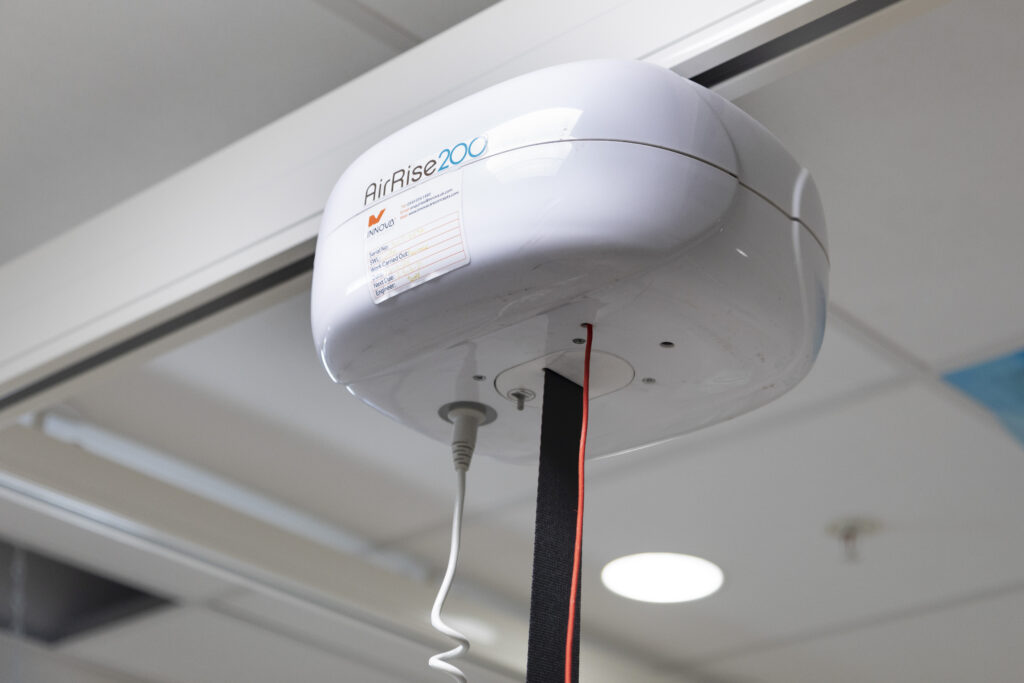
Many hospice refurbishment projects involve a surprisingly wide range of specialist disciplines. Ceiling-mounted hoists, accessible bathrooms, changing facilities, hydrotherapy equipment, specialist furniture, pressure care solutions and bespoke joinery all require careful coordination with structural design, mechanical and electrical services, room layouts and operational workflows.
When each package is delivered independently, project teams quickly find themselves managing numerous suppliers, each producing separate drawings, attending individual coordination meetings and working to different procurement and installation programmes.
This fragmented approach creates challenges that extend well beyond procurement.
Technical information often arrives at different stages of the design process, making clashes between disciplines more difficult to identify. Installation programmes may overlap or compete for access to the same clinical areas, while contractors are required to coordinate multiple deliveries, inductions and commissioning activities within spaces where disruption must be kept to an absolute minimum.
For project managers, the result is additional administration and increased programme risk. For architects, late supplier involvement can compromise carefully developed layouts and design intent. For estates teams, fragmented procurement often leads to inconsistent maintenance arrangements once the refurbishment is complete.
None of these issues improve the finished environment. Instead, they consume valuable project time that could otherwise be focused on delivering better outcomes for patients and staff.
Why Early Healthcare Refurbishment Planning Makes the Difference
The most successful refurbishment schemes begin long before work starts on site. Effective healthcare refurbishment planning creates opportunities to identify potential challenges during the design stage, where changes are less disruptive and significantly more cost-effective than during construction.
Bringing specialist equipment expertise into the project early allows architects, structural engineers, M&E consultants and contractors to develop integrated solutions rather than resolving problems after procurement has begun.
For example, ceiling hoists require structural support that influences steelwork design long before installation. Assisted bathing equipment may affect drainage layouts, service routes and floor construction, while specialist furniture and storage solutions can alter circulation spaces and room functionality. Considering these requirements collectively ensures they become part of the architectural solution rather than late additions that require redesign.
This early collaboration also enables project teams to develop realistic construction programmes. Lead times can be understood from the outset, installation sequences coordinated alongside other trades and procurement strategies aligned with wider project milestones.
Balancing Compliance with Compassionate Design
Hospice environments must satisfy an extensive range of technical and regulatory requirements while continuing to feel welcoming, calm and supportive for patients and families.
Accessibility legislation, manual handling guidance, infection prevention measures and healthcare design standards all influence the specification and positioning of specialist equipment. However, compliance alone does not create successful environments.
Architects face the challenge of integrating complex clinical requirements without creating spaces that feel overly institutional. Families visiting loved ones should experience warmth and comfort rather than a highly medicalised environment, while staff require equipment that improves safety and efficiency without compromising the overall quality of the space.
This balance is far easier to achieve when specialist equipment providers contribute during the design process rather than after layouts have already been finalised.
Early technical input enables equipment to be integrated discreetly within the architecture, preserving clean sightlines, improving room usability and ensuring every element contributes positively to the overall experience of the building.
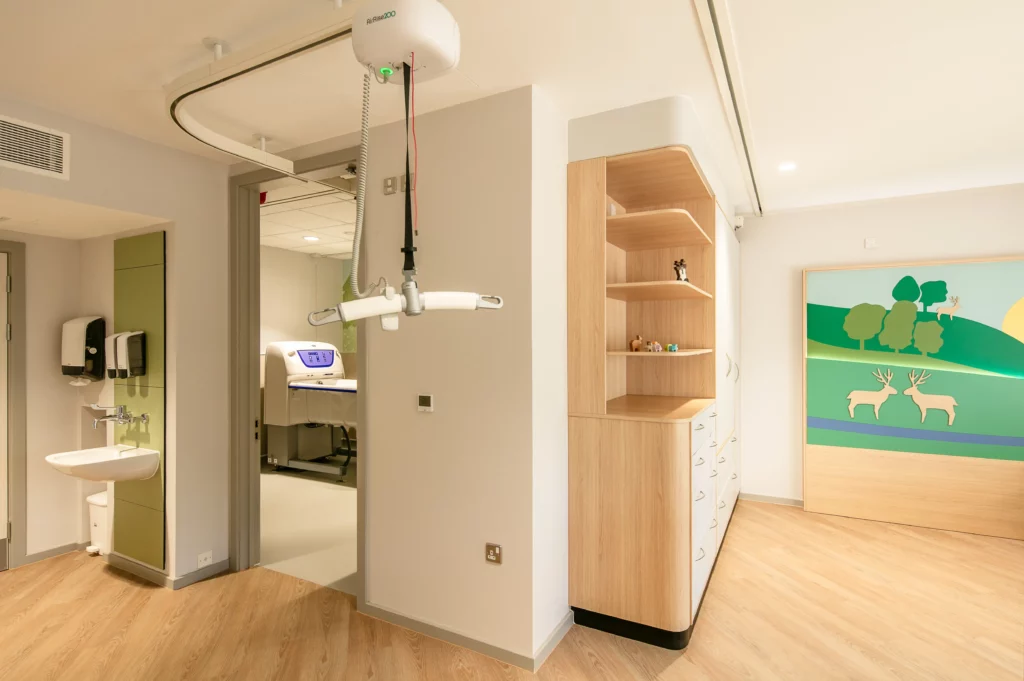
Specialist Equipment Coordination as Part of the Wider Design Strategy
Effective specialist equipment coordination is not simply about arranging deliveries or organising installation dates. It begins during the earliest design discussions and continues throughout the entire project lifecycle.
A coordinated provider works alongside architects, consultants and contractors to ensure every specialist package complements the wider building design. Technical submissions are aligned, structural requirements are resolved collaboratively and installation sequencing is developed alongside the principal contractor’s programme.
This joined-up approach significantly reduces the number of interfaces that project teams need to manage. Instead of coordinating several independent suppliers, stakeholders benefit from a single point of responsibility for specialist equipment design, procurement, logistics and installation.
Ultimately, coordination is about much more than simplifying procurement. It is about creating certainty for every member of the project team while ensuring the finished hospice environment functions exactly as intended for the people who rely on it every day.
The Role of Specialist Equipment Throughout the Project Lifecycle
During feasibility and concept design, specialist equipment influences how spaces are planned and how they will function in practice. Clinical workflows, manual handling requirements and patient needs all shape room layouts, circulation routes and servicing strategies. Early technical input allows these considerations to be incorporated naturally into the developing design, avoiding compromises later in the project.
As the design progresses through specification and procurement, coordinated specialist equipment continues to play an important role. Technical information can be developed alongside architectural, structural and M&E design, reducing the likelihood of clashes and ensuring every discipline is working from consistent information. Rather than treating equipment as a separate package, it becomes an integrated component of the overall project.
During construction, this joined-up approach creates a more predictable installation programme. Deliveries can be aligned with site sequencing, commissioning activities coordinated efficiently and completed spaces handed over in planned phases. The benefits continue beyond practical completion, with planned preventative maintenance, servicing and future upgrades all managed through a consistent relationship rather than multiple independent suppliers.
For hospice leadership teams, this continuity provides confidence that equipment will continue supporting clinical services long after refurbishment works have been completed. For estates teams, it simplifies asset management, maintenance planning and compliance responsibilities throughout the building’s operational life.
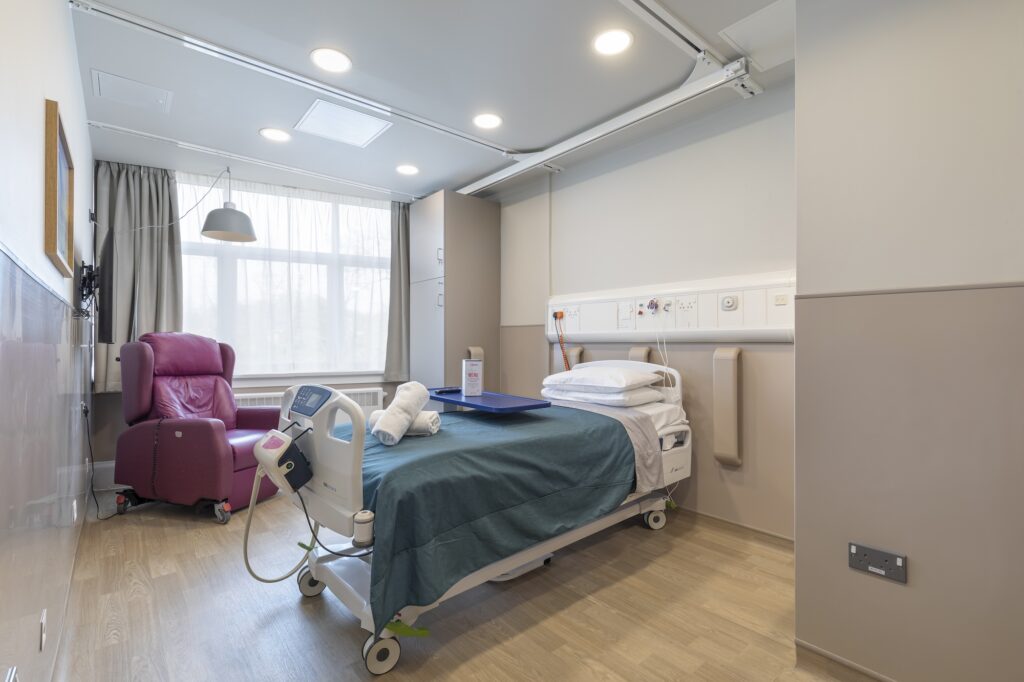
Why Fragmented Procurement Increases Programme Risk
Construction programmes are becoming increasingly compressed, particularly within operational healthcare environments where access windows are limited and disruption must be carefully managed. Under these conditions, fragmented procurement can quickly become one of the greatest sources of delivery risk.
Each specialist supplier brings their own procurement process, manufacturing schedule, technical reviews and installation requirements. Individually, these may appear manageable, but collectively they create a web of dependencies that project teams must continually coordinate.
A delayed drawing from one supplier can postpone structural approvals. Revised service requirements may affect mechanical installations already underway. Separate commissioning visits can extend occupation of clinical areas, delaying handover and creating additional disruption for hospice staff.
Project managers often find themselves resolving issues that stem not from poor workmanship, but from disconnected project structures.
Consolidating specialist packages fundamentally changes this dynamic. Instead of managing multiple procurement programmes, technical submissions and installation schedules, contractors work with one coordinated partner responsible for the complete specialist equipment scope. Decisions are made collectively, information is shared consistently and programme risks are identified far earlier in the delivery process.
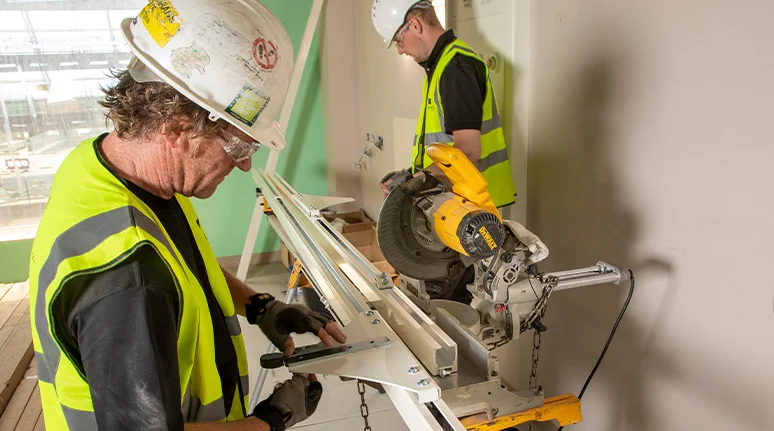
Coordinated Hospice Fit Out Creates Better Outcomes
A successful hospice fit out is about far more than installing equipment. It is about creating environments that enable exceptional care while supporting the people who use them every day.
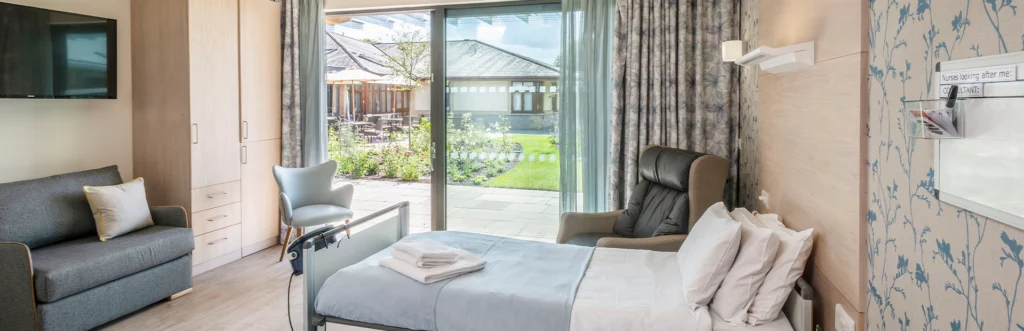
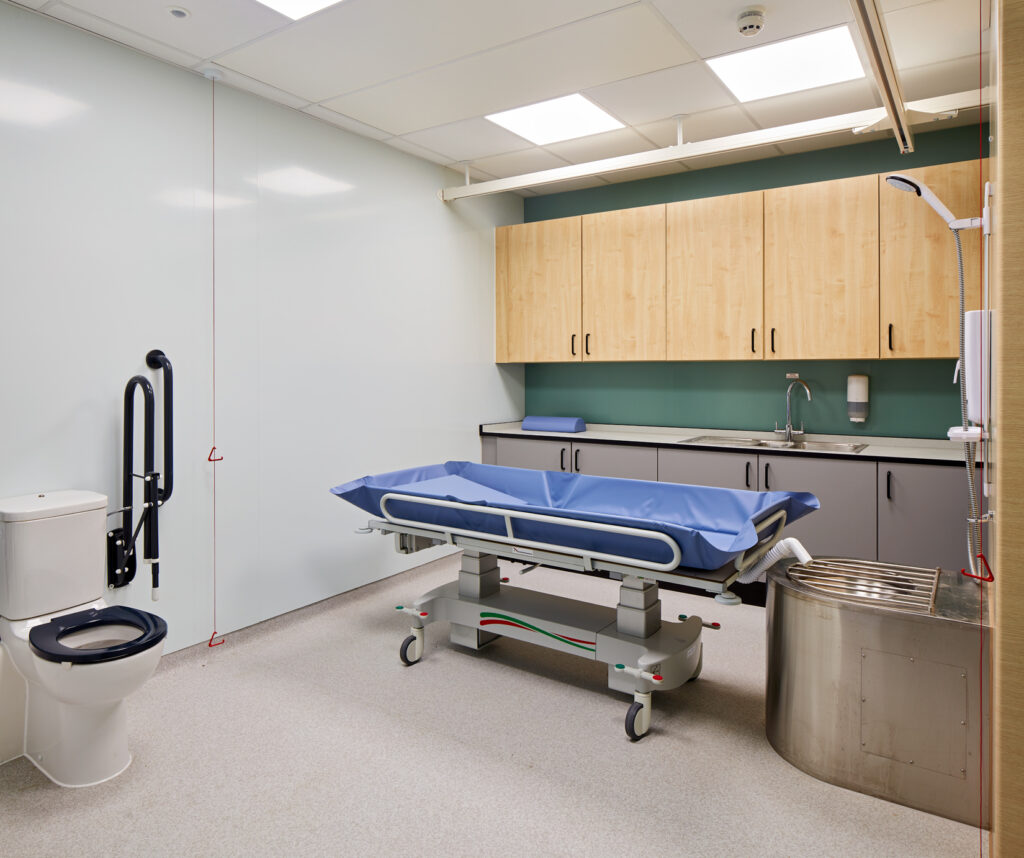
Patient bedrooms must accommodate specialist lifting systems without feeling institutional. Assisted bathing facilities need to provide dignity, accessibility and ease of use for both patients and carers. Family spaces should remain welcoming and comfortable while supporting the operational requirements of the hospice.
Achieving this balance requires careful coordination between multiple disciplines.
When specialist equipment providers collaborate closely with architects, interior designers and contractors, every component of the environment can be considered as part of one cohesive solution. Bespoke joinery complements hygiene equipment, ceiling hoists integrate seamlessly with architectural finishes and specialist furniture supports both clinical functionality and a calm, reassuring atmosphere.
A Coordinated Approach in Practice
Consider a typical inpatient unit refurbishment where several bedrooms, assisted bathrooms and communal spaces are being upgraded while the hospice continues operating.
The project requires new ceiling-mounted hoists, specialist bathing equipment, bespoke storage, replacement furniture and improvements to supporting building services. If each package is procured independently, contractors may need to coordinate several installation teams, each working to different programmes and requiring repeated access to sensitive clinical areas.
This approach inevitably increases administration and creates additional opportunities for delays.
By contrast, a coordinated specialist equipment partner develops the technical design alongside the wider project team, aligns procurement with the construction programme and manages installation sequencing across every package. Clinical areas can be refurbished in planned phases, equipment commissioned as each space is completed and staff returned to fully operational environments with minimal disruption.

Supporting Healthcare Project Delivery Through Collaboration
The strongest healthcare project delivery is built on collaboration from the earliest stages. Architects, contractors, hospice leadership teams, estates managers and specialist equipment providers each contribute different expertise, but projects achieve the best outcomes when those perspectives are brought together rather than managed separately.
Early collaboration creates opportunities to challenge assumptions, resolve technical questions and identify risks before they become programme issues. It also encourages better communication throughout the project, ensuring every stakeholder understands how specialist equipment will integrate with the wider refurbishment strategy.
This collaborative approach is particularly valuable within hospice construction projects, where even small coordination issues can have a disproportionate impact on operational services. Clear communication, shared responsibility and integrated planning help reduce uncertainty while providing reassurance that every decision has been considered from both a construction and care perspective.
Looking Beyond Practical Completion
Hospices depend on equipment that remains safe, compliant and fully operational for many years. Planned preventative maintenance, statutory inspections and responsive servicing all play an essential role in maintaining safe environments for patients and staff.
Where multiple suppliers have been responsible for different equipment packages, ongoing maintenance can quickly become fragmented. Estates teams may need to manage separate service agreements, multiple contact points and differing maintenance schedules, increasing administration while making long-term asset management more complicated.
A coordinated delivery model simplifies this process. Equipment servicing, maintenance planning and future upgrades can all be managed through one trusted relationship, providing greater continuity and reducing the burden placed on operational teams.
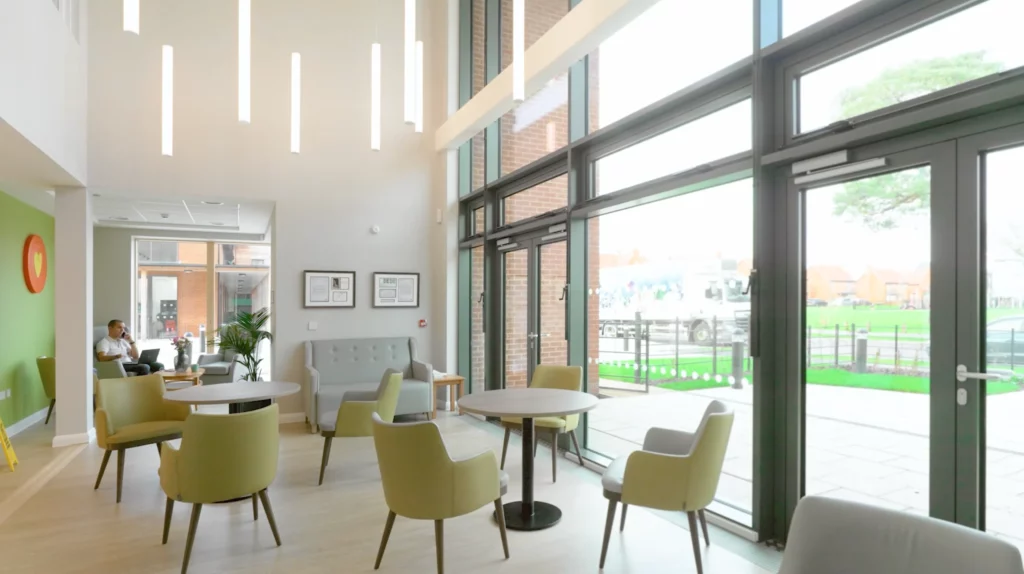
Simplifying Complexity to Deliver Better Care Environments
Every hospice refurbishment is ultimately about people. Behind every programme, drawing and technical specification are patients, families and healthcare professionals who rely on these environments during some of life’s most significant moments.
While construction projects will always involve complexity, the way that complexity is managed has a profound impact on both project outcomes and the experience of those using the building.
By prioritising early healthcare refurbishment planning, integrating specialist equipment coordination from the outset and consolidating specialist packages through one experienced provider, project teams can reduce unnecessary risk while creating a smoother and more collaborative delivery process.
For architects, this protects design intent and supports better clinical environments. For principal contractors and project managers, it reduces programme pressure, simplifies installation and creates clearer accountability throughout delivery. For hospice leadership and estates teams, it provides reassurance that refurbishment works have been planned around the needs of patients and staff rather than simply the construction programme.
Most importantly, it allows everyone involved to focus on what matters most: creating safe, functional and compassionate environments that continue to support exceptional care long after the project has been completed.
Successful hospice refurbishment projects are not defined solely by the quality of the finished building. They are defined by the quality of the collaboration that made them possible.
Speak to The Experts
Need assistance with product enquiries, general enquiries, or product support? Our phonelines are open 9am - 5pm Monday to Friday. Or, fill out the form for a call back.