Funding Home Adaptations: Grants & Financial Support Available in the UK
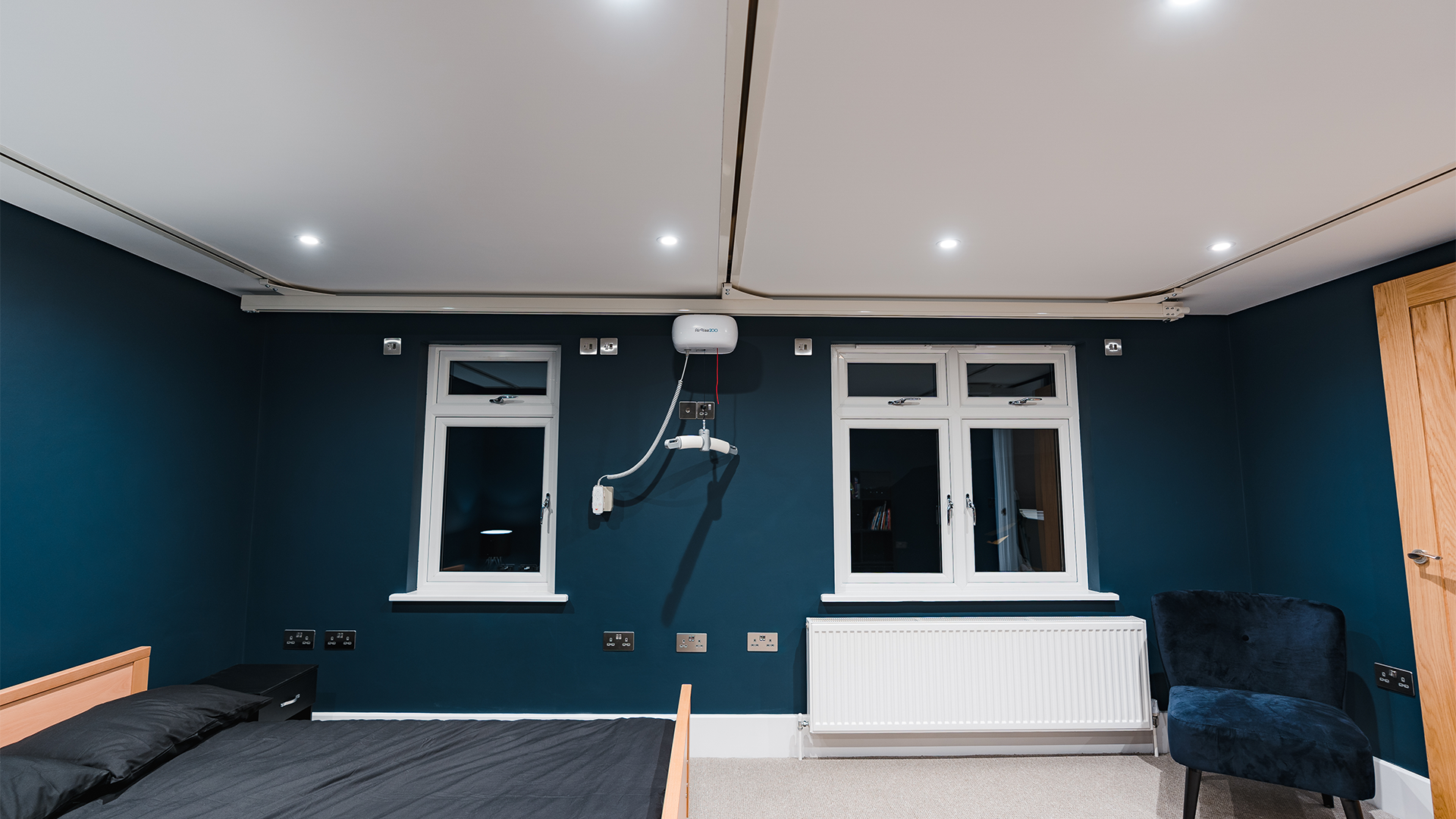
Making a home accessible can be life-changing, enabling individuals with mobility challenges, disabilities, or long-term health conditions to live independently and comfortably. However, the cost of adaptations, from installing stairlifts and ramps to widening doors or creating accessible bathrooms, can be significant. Thankfully, there are a number of grants, loans, and financial support schemes in the UK designed to ease this burden.
This guide provides a general overview of the main funding routes available, to help you understand what support may exist before you start planning your adaptation.
Please note: Innova Care Concepts is a specialist supplier and installer of home adaptations and accessible equipment — we are not a funding body, charity, or grant administrator, and we’re unable to process applications, assess eligibility, or advise on individual funding decisions. For funding advice or applications, please contact your local council, an occupational therapist, or the organisations linked below directly. Once your funding route is confirmed, we’re happy to help with the adaptation itself — see [Get a Quote] below.
Disabled Facilities Grant (DFG)
The Disabled Facilities Grant is one of the most widely used sources of funding for home adaptations in England, Wales, and Northern Ireland. It is provided by local councils and can cover essential works such as:
- Installing stairlifts or through-floor lifts
- Widening doors and installing ramps
- Adapting bathrooms (e.g. walk-in showers or wet rooms)
- Improving heating and lighting controls for accessibility
The amount you can receive varies depending on your location:
- England: Up to £30,000
- Wales: Up to £36,000
- Northern Ireland: Up to £25,000
- Scotland: No DFG scheme, but local councils provide funding through alternative grants
The grant is means-tested for adults, meaning your income and savings may affect the amount you are awarded. However, for children under 18, the grant is not means-tested.
To apply, contact your local council’s housing or environmental health department directly — Innova Care Concepts does not process DFG applications. An occupational therapist will usually assess your needs to determine which adaptations are essential.
Home Improvement Agencies (HIAs)
Home Improvement Agencies are local not-for-profit organisations that help people adapt, repair, or maintain their homes. They can provide advice on funding, assist with grant applications, and in some cases, manage building works on your behalf. Many HIAs also operate handyperson services for smaller adaptations such as grab rails and door thresholds.
Social Services and Local Council Support
If you have care needs, your local authority may be able to provide direct funding or services for minor adaptations (typically under £1,000 in cost). This could cover simple adjustments such as handrails, door intercoms, or lever taps.
In Scotland, major adaptations are funded through the Scheme of Assistance. Local councils assess individual circumstances and provide financial or practical help accordingly.
NHS Equipment and Minor Adaptations
For some needs, the NHS can provide equipment or minor adaptations free of charge, such as:
- Bathing aids
- Specialist seating
- Raised toilet seats
- Portable ramps
These are usually provided following an occupational therapy assessment and are separate from housing grants. Innova Care Concepts is not part of the NHS and does not administer this equipment directly.
Charities and Trusts
Several UK charities also provide grants or low-cost loans for home adaptations. These can be particularly valuable if you are not eligible for a Disabled Facilities Grant or need additional funding. Examples include:
- The ACT Foundation: helps individuals with disabilities by funding specialist equipment and home adaptations.
- SSAFA (for Armed Forces personnel and veterans): can assist with mobility and housing needs.
- Family Fund: provides support for families raising a disabled or seriously ill child.
It’s worth searching online for condition-specific charities too, as many have grant programmes for people with particular disabilities or health conditions. Applications for all of the above should be made directly with the relevant charity, not via Innova Care Concepts.
How to Start the Process
- Contact your local council to request a home assessment by an occupational therapist.
- Get advice from a Home Improvement Agency to explore available funding.
- Gather quotes from adaptation suppliers or contractors — most councils and charities will require these as part of a grant application. [This is where Innova Care Concepts can help: request a quote for your adaptation.]
- Explore charitable funding if additional financial support is needed.
Conclusion
Adapting a home for accessibility can feel overwhelming, both practically and financially. The good news is that a wide range of funding options are available across the UK, from government-backed Disabled Facilities Grants to local council support and charitable funds. The first step is to seek an assessment from your local authority or an occupational therapist, as this will guide you towards the most suitable financial assistance.
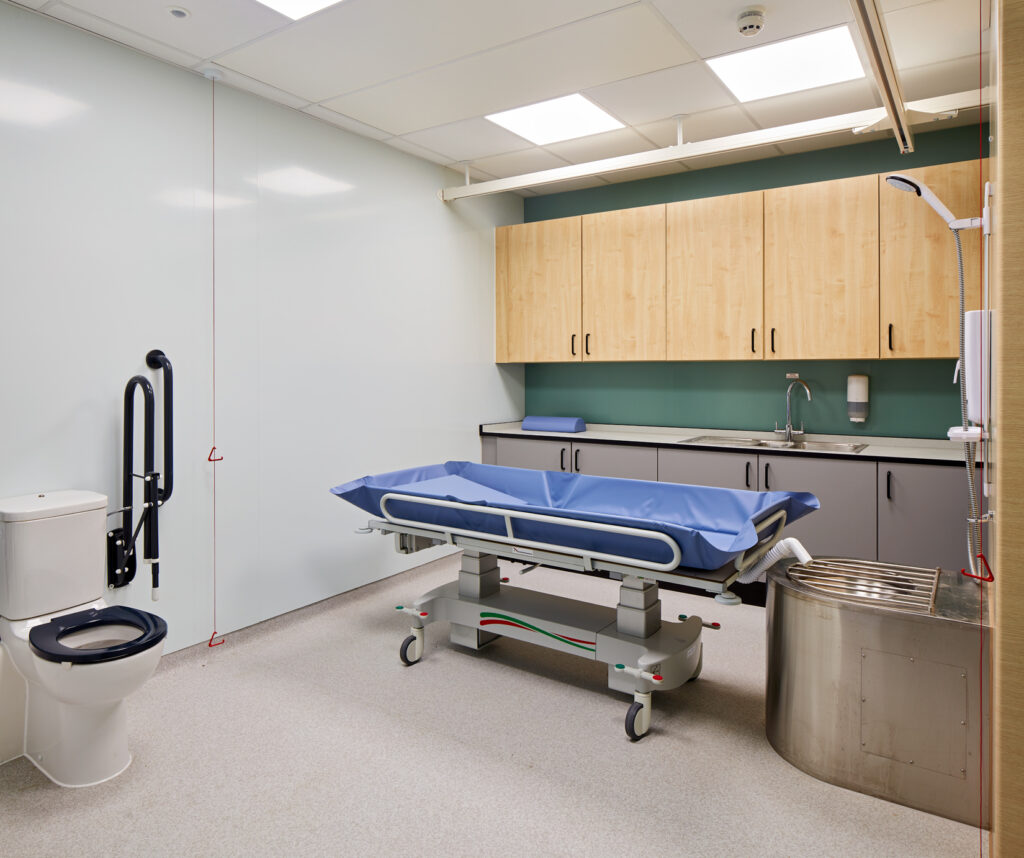
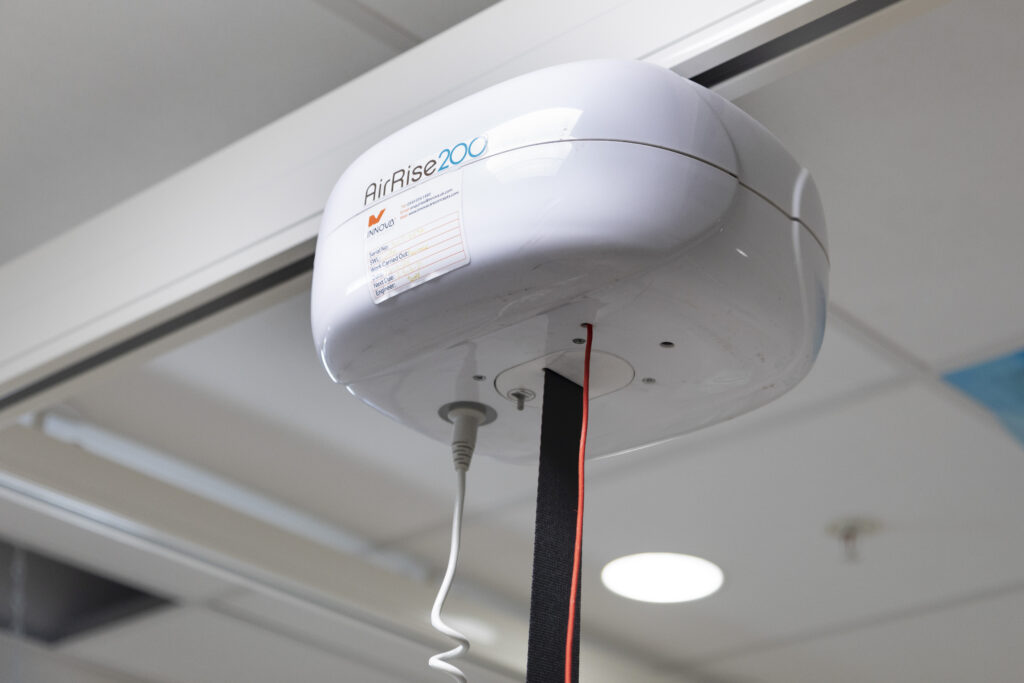
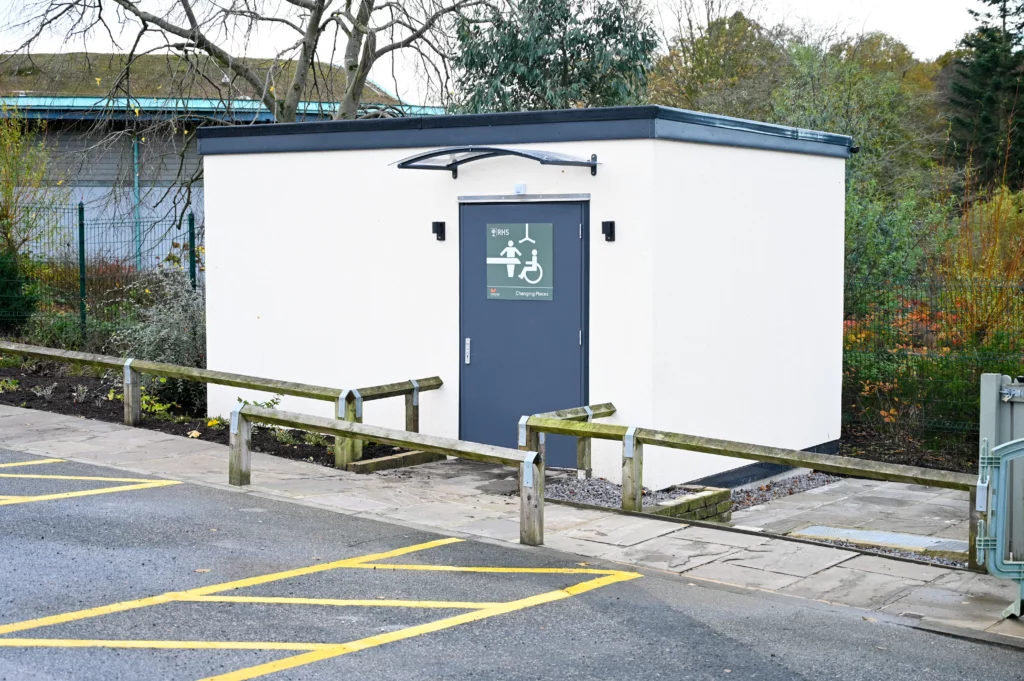
Once you’ve secured funding, or if you’re self-funding your adaptation, Innova Care Concepts can help design, supply and install the equipment itself — from hoisting systems and accessible bathrooms to Changing Places facilities and specialist beds. [Get in touch about your adaptation project →]
FAQs
1. Does Innova Care Concepts provide funding or grants?
No. Innova Care Concepts is a specialist equipment and adaptations supplier — we design, supply and install home and care adaptations, but we do not provide, administer, or process funding, grants, or loans ourselves. For funding advice, please contact your local council, an occupational therapist, or one of the charities listed above.
2. Do I have to pay back a Disabled Facilities Grant?
No, the grant is not repayable. However, in England, if the grant is over £5,000 and you sell your property within 10 years, the council may recover part of the cost.
3. Can I get help with adaptations if I live in rented housing?
Yes. Both private and social tenants can apply for a Disabled Facilities Grant, but you will need your landlord’s permission for the work.
4. How long does it take to get funding approved?
Local councils must decide on Disabled Facilities Grant applications within six months, though the full process may take longer depending on assessments and building work.
5. Are grants available for small adaptations like grab rails?
Yes, minor adaptations under £1,000 are often funded directly by councils or the NHS without the need for a formal grant application.
6. Can I combine different funding sources?
Yes. Many people use a combination of DFG, council support, and charitable funding to cover the full cost of adaptations.


Speak to The Experts
Need assistance with product enquiries, general enquiries, or product support? Our phonelines are open 9am - 5pm Monday to Friday. Or, fill out the form for a call back.