Why Consolidating Specialist Equipment Packages Simplifies Complex Care Projects
Delivering specialist healthcare and education environments is a complex undertaking. Every project must balance operational requirements, regulatory compliance, user needs and construction constraints, often within demanding programmes and tightly controlled budgets. For principal contractors, architects, consultants and project managers, success depends not only on selecting the right specialist equipment, but on ensuring every element works together seamlessly from concept through to completion.
Despite this, specialist equipment is frequently procured through multiple suppliers, each responsible for a different package. While every supplier may excel within their own discipline, managing numerous manufacturers, installers and technical teams inevitably creates additional coordination, increases project risk and places greater pressure on delivery teams.
A more effective approach is to consolidate these requirements into coordinated specialist equipment packages delivered through a single experienced partner. Rather than simply reducing the number of suppliers, consolidation creates a more structured and collaborative delivery process that protects design intent, simplifies procurement and keeps projects moving efficiently.
Why fragmented procurement creates unnecessary complexity
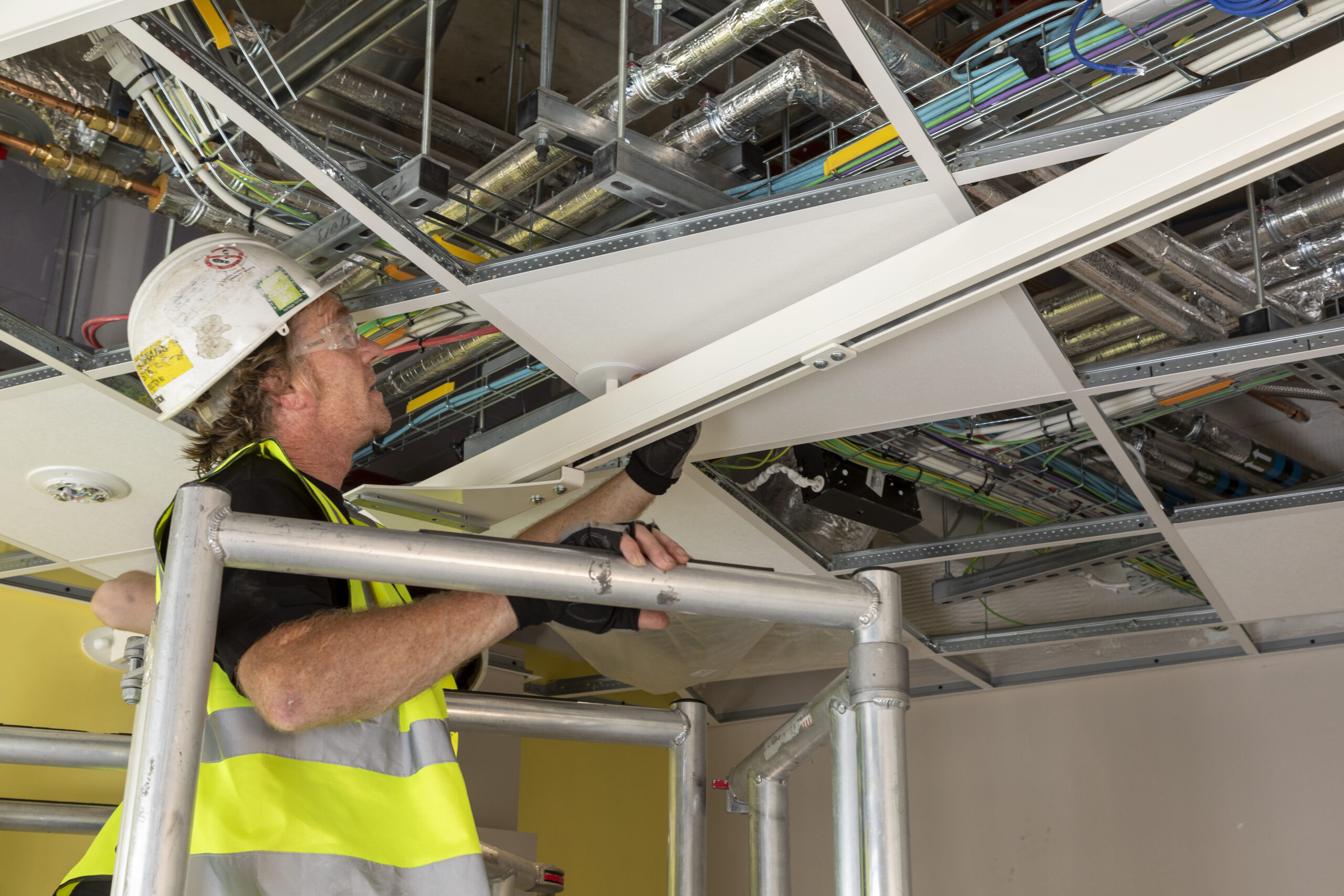
Specialist care environments are fundamentally different from conventional construction projects. Equipment such as ceiling hoists, assisted bathing systems, hydrotherapy facilities, sensory environments and specialist furniture all need to integrate with the building fabric, mechanical and electrical services, structural design and the operational needs of the people who will use the space every day.
When these elements are delivered independently, coordination becomes significantly more challenging. Separate design information, varying lead times and differing installation programmes can result in duplicated effort, conflicting technical requirements and avoidable delays during construction. Project teams often find themselves spending valuable time managing supplier interfaces rather than progressing the wider scheme.
For architects, fragmented procurement increases the risk that carefully developed designs are compromised during delivery. For principal contractors and project managers, it introduces additional programme pressure, additional site coordination and greater potential for installation issues that affect both quality and completion dates.
The value of consolidated specialist equipment packages
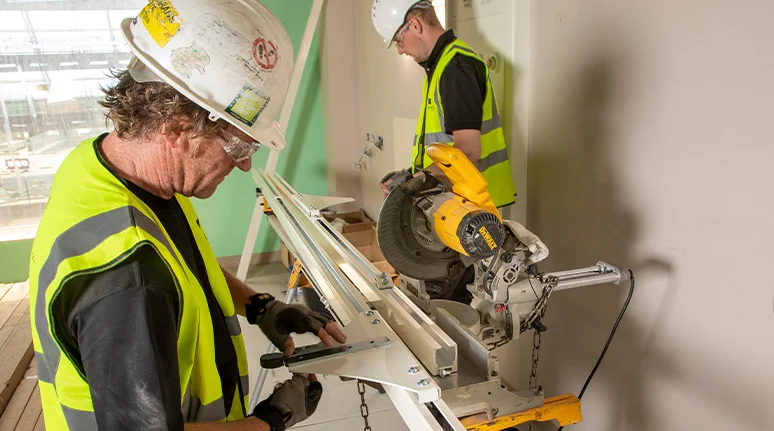
Combining multiple specialist disciplines into one coordinated package creates a far simpler delivery model. Rather than managing several independent suppliers, project teams work with a single partner responsible for coordinating the complete specialist equipment scope.
This integrated approach improves communication from the earliest design stages and establishes clear accountability throughout the project lifecycle. Technical information is developed collaboratively, installation programmes are aligned, and every specialist package is considered as part of the overall project rather than as an isolated element.
The result is a smoother process for everyone involved. Architects can develop designs with greater confidence, knowing specialist requirements have been considered early, while contractors benefit from clearer sequencing and fewer interfaces to manage once construction begins.
Better healthcare construction coordination starts at design stage
Successful projects rarely depend on solving problems during construction. Instead, they are the result of careful planning and early collaboration between every specialist aspect involved.
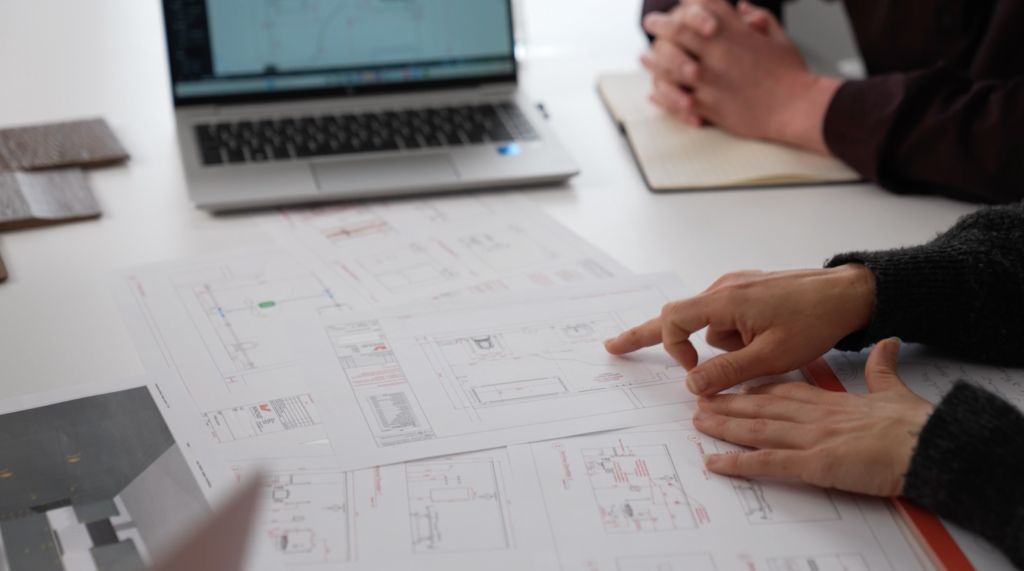
Bringing specialist equipment expertise into a project during the design phase allows potential coordination issues to be identified before they reach site. Structural requirements, service routes, spatial planning and operational workflows can all be considered together, reducing the likelihood of redesign later in the programme.
For architects, this collaborative approach helps preserve design intent while ensuring every specialist element integrates naturally within the wider environment. Rather than constraining creativity, coordinated planning enables better design decisions and reduces the compromises that often arise when suppliers are appointed too late.
For project teams responsible for healthcare construction coordination, early integration creates a more predictable programme with fewer surprises during delivery.
Simplifying procurement and commercial management
Managing multiple specialist contracts inevitably increases the administrative burden placed on procurement teams and quantity surveyors. Separate quotations, purchase orders, technical reviews and commercial discussions all consume valuable time while increasing the number of project interfaces that require ongoing management.
By adopting consolidated FF&E packages, organisations simplify procurement without reducing technical expertise. A single coordinated package provides clearer commercial visibility, fewer contractual relationships and more straightforward cost management throughout the project lifecycle.
This approach also reduces ambiguity around responsibility. Rather than multiple suppliers working independently, there is one coordinated team accountable for design support, procurement, installation planning and project delivery.
Coordinated specialist equipment delivery reduces programme risk
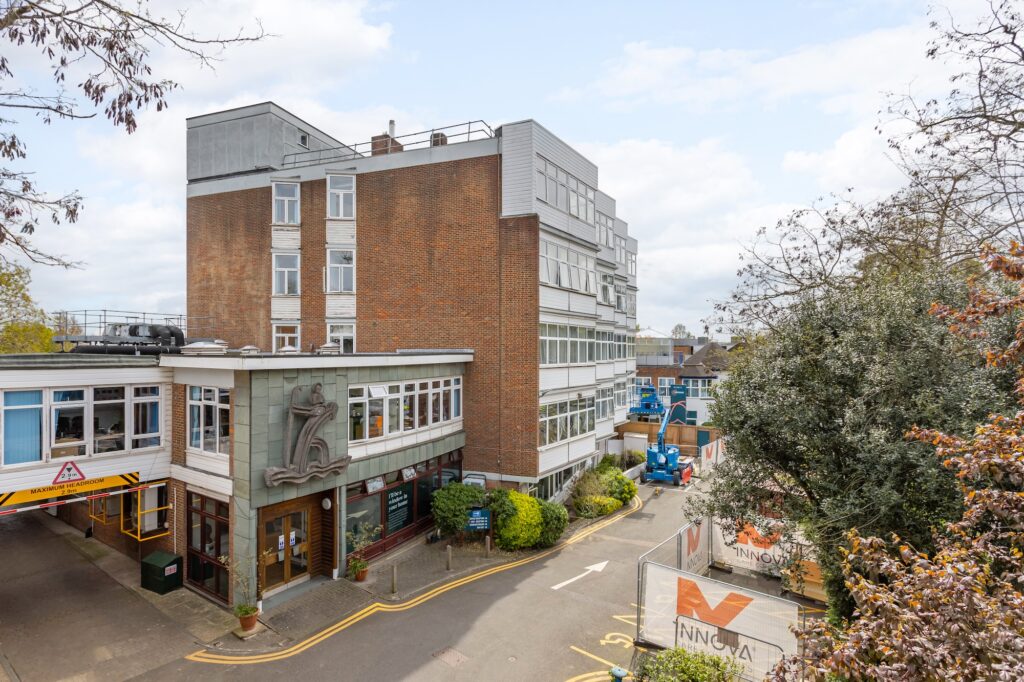
Construction programmes are under constant pressure, particularly within live healthcare and education environments where access is often restricted and disruption must be carefully controlled. In these settings, even relatively small coordination issues can have significant consequences for programme delivery.
Effective specialist equipment delivery relies on careful sequencing alongside the wider construction programme. When every specialist package is managed through one provider, installation can be planned holistically, allowing equipment to arrive at the right time and in the correct sequence.
This reduces unnecessary site visits, limits disruption to other trades and helps prevent rework caused by conflicting installation activities. More importantly, it provides project managers with greater certainty that specialist equipment will support the programme rather than become a source of delay.
For professionals like project managers, whose priority is maintaining control of site operations, this level of coordination reduces the need for reactive problem-solving and creates greater confidence that projects will remain on schedule.
Supporting complex care construction through integrated expertise
Whether delivering a specialist school, hospice, rehabilitation facility or care home, every decision influences how the finished environment will function for staff, residents, patients and visitors.
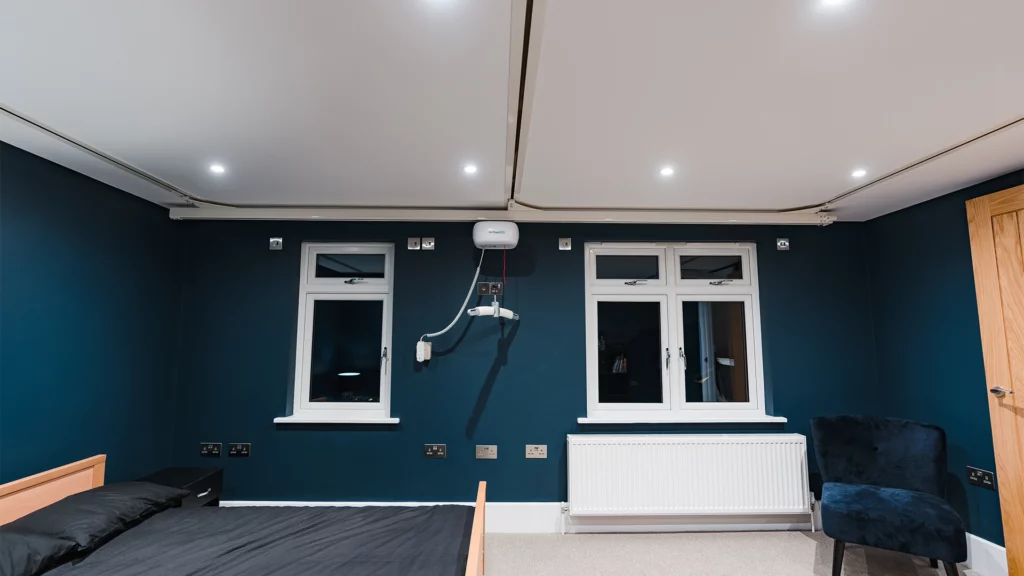
Equipment cannot be considered in isolation. A hydrotherapy pool may affect lifting strategies, changing facilities, drainage design and structural requirements. Specialist bedrooms require careful coordination between hoisting systems, hygiene equipment, furniture and room layouts. Sensory environments influence electrical design, finishes and spatial planning.
Approaching these elements as interconnected systems rather than individual products results in better performing environments and a more efficient construction process. This integrated methodology is particularly valuable in complex care construction, where operational performance is every bit as important as the quality of the finished building.
Protecting design intent from concept to completion
One of the greatest frustrations for architects is seeing carefully considered designs diluted during delivery because specialist suppliers become involved too late. Decisions made in isolation can lead to redesign, compromise functionality or result in equipment that appears added on rather than fully integrated into the environment.
Working with a coordinated specialist partner from the earliest project stages helps prevent this. Design teams benefit from informed technical input throughout the development process, ensuring equipment requirements are resolved before construction begins rather than during it.
This collaborative approach allows architects to retain creative control while having confidence that specialist equipment will enhance the overall environment rather than compromise it. It reflects Innova’s belief that specialist equipment should support good design, not dictate it.
You can explore examples of this coordinated approach across Innova’s healthcare and education case studies.
Creating value beyond project completion
The advantages of consolidation continue long after practical completion. Because every specialist package has been delivered through a coordinated provider, ongoing servicing and maintenance, planned preventative maintenance and future upgrades become far simpler to manage.
Facilities teams benefit from a consistent approach to maintenance, clearer asset management and a single point of contact for ongoing support. This continuity helps extend equipment lifespan, maintain compliance and reduce the administrative burden associated with managing multiple service providers throughout the building’s operational life.
Simplifying complexity through coordinated project delivery
Healthcare and specialist education projects will always involve complex technical requirements, but that does not mean project delivery needs to be complicated. By consolidating specialist equipment packages into one coordinated solution, project teams reduce unnecessary interfaces, improve communication and create a more efficient delivery process from design through to installation and beyond.
For architects, this means greater confidence that design intent will be protected. For contractors and project managers, it provides improved programme certainty, clearer accountability and fewer coordination challenges onsite. For clients and end users, it results in environments that are fully integrated, compliant and designed to support outstanding care.
Ultimately, coordinated project delivery is about more than reducing the number of suppliers. It is about bringing specialist expertise together in a way that removes complexity, minimises risk and allows every member of the project team to focus on delivering environments that improve lives.
Speak to the Innova team about consolidating the specialist equipment requirements for your next healthcare or education project.

Speak to The Experts
Need assistance with product enquiries, general enquiries, or product support? Our phonelines are open 9am - 5pm Monday to Friday. Or, fill out the form for a call back.