How Coordinated Specialist Equipment Packages Reduce Risk in Healthcare Refurbishments
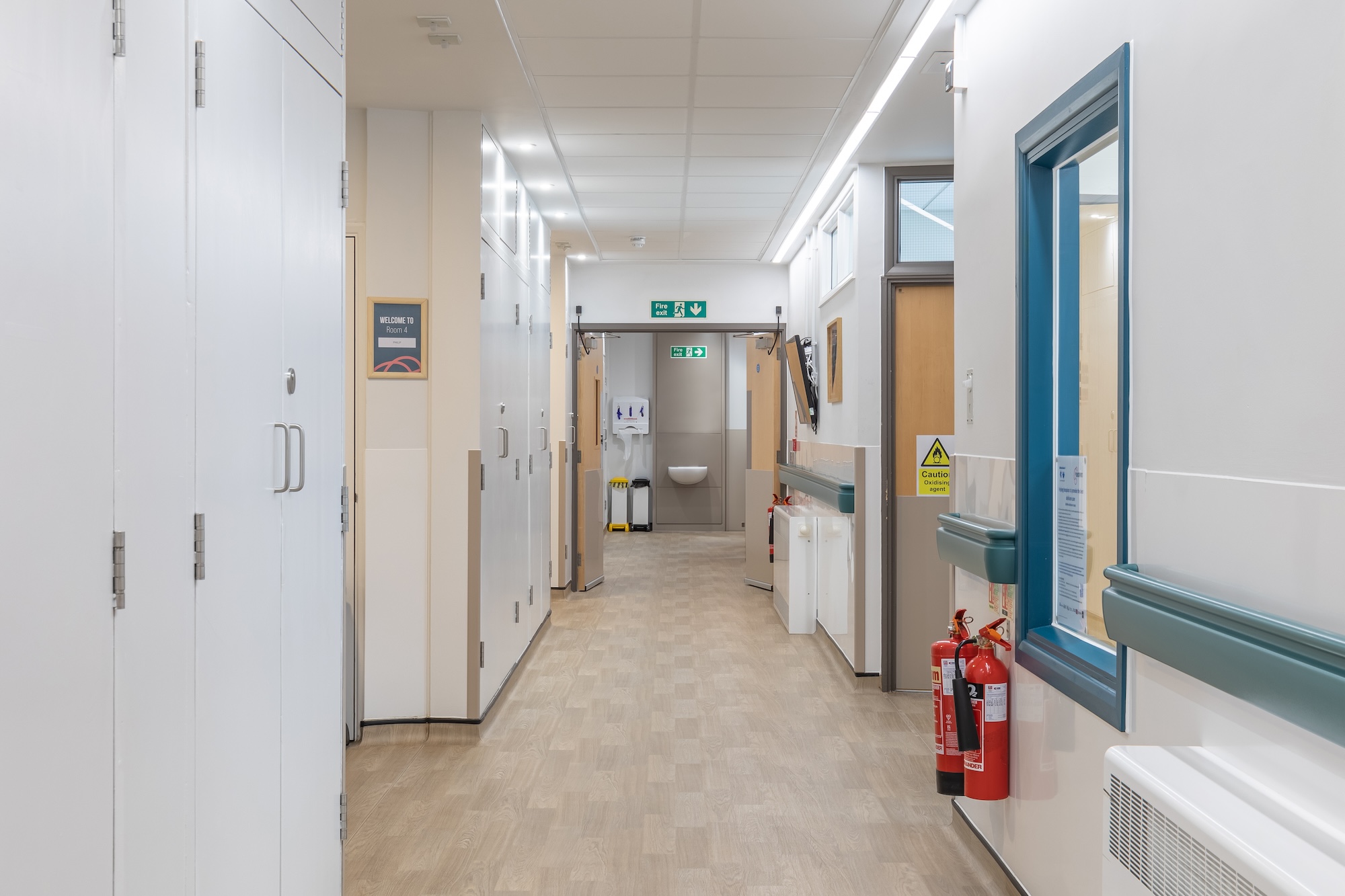
Healthcare refurbishment projects are among the most complex construction programmes to deliver. Unlike many commercial developments, they often take place within live environments where patient care must continue uninterrupted, compliance requirements are extensive, and multiple specialist disciplines must work together within tight programme constraints.
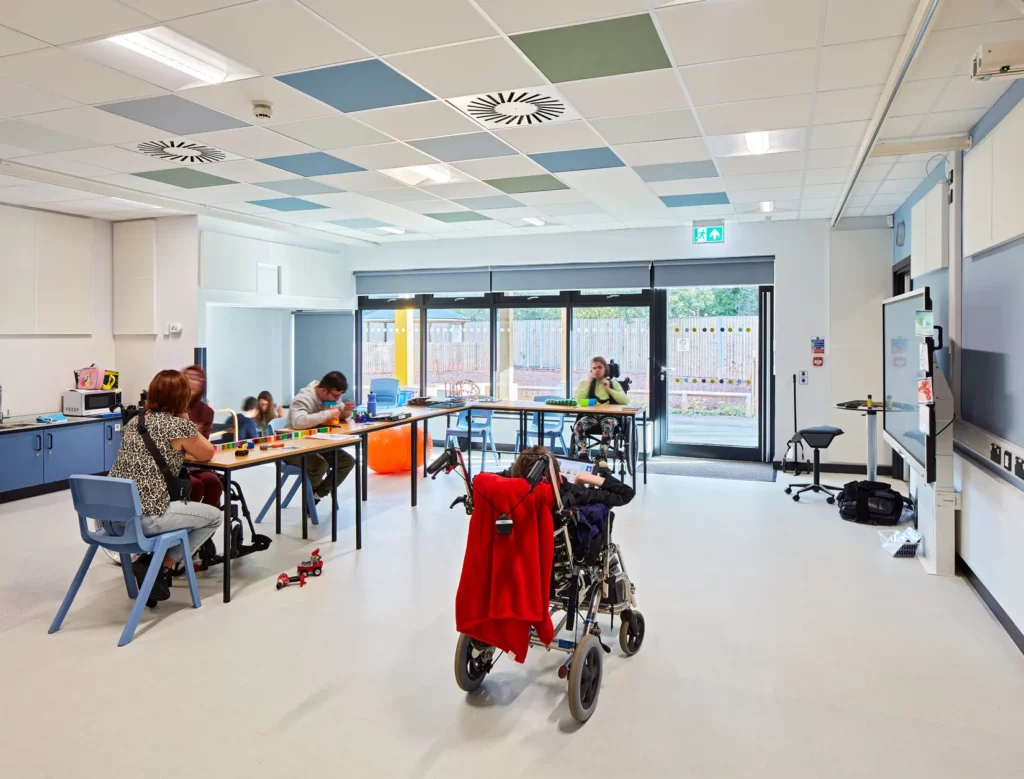
Alongside the usual challenges of refurbishment, project teams must also coordinate a wide range of healthcare specialist equipment. From patient hoisting systems and hygiene equipment to specialist beds, hydrotherapy facilities and bespoke clinical furniture, each package has its own design requirements, suppliers and installation programme.
Managing these packages independently can introduce unnecessary complexity, increasing the risk of design clashes, procurement delays and communication breakdowns. Increasingly, healthcare providers, architects and contractors are recognising that consolidating specialist equipment through a single, coordinated partner provides a more efficient and lower-risk approach.
By simplifying procurement, improving collaboration and supporting projects from design through to long-term maintenance, coordinated specialist equipment packages help healthcare refurbishment projects achieve better outcomes with less disruption.
Why Healthcare Refurbishment Projects Carry Greater Risk
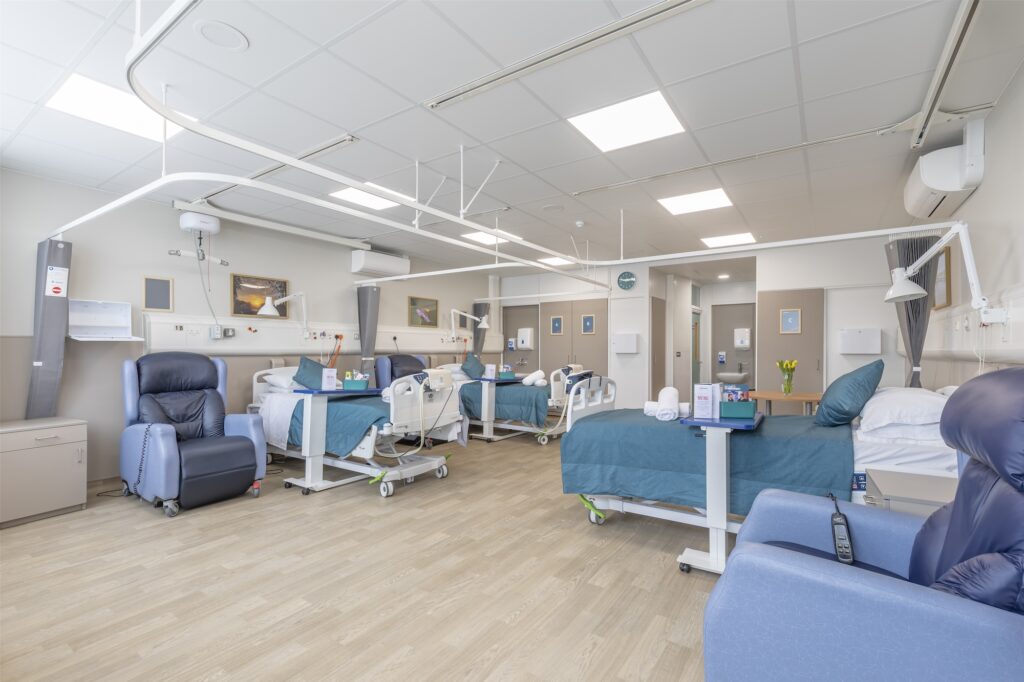
Unlike new-build developments, healthcare refurbishment projects rarely begin with a blank canvas. Existing buildings often contain structural constraints, ageing services, occupied wards and legacy infrastructure that must all be considered throughout the design and construction process. Every design decision has the potential to affect multiple disciplines, making effective coordination essential.
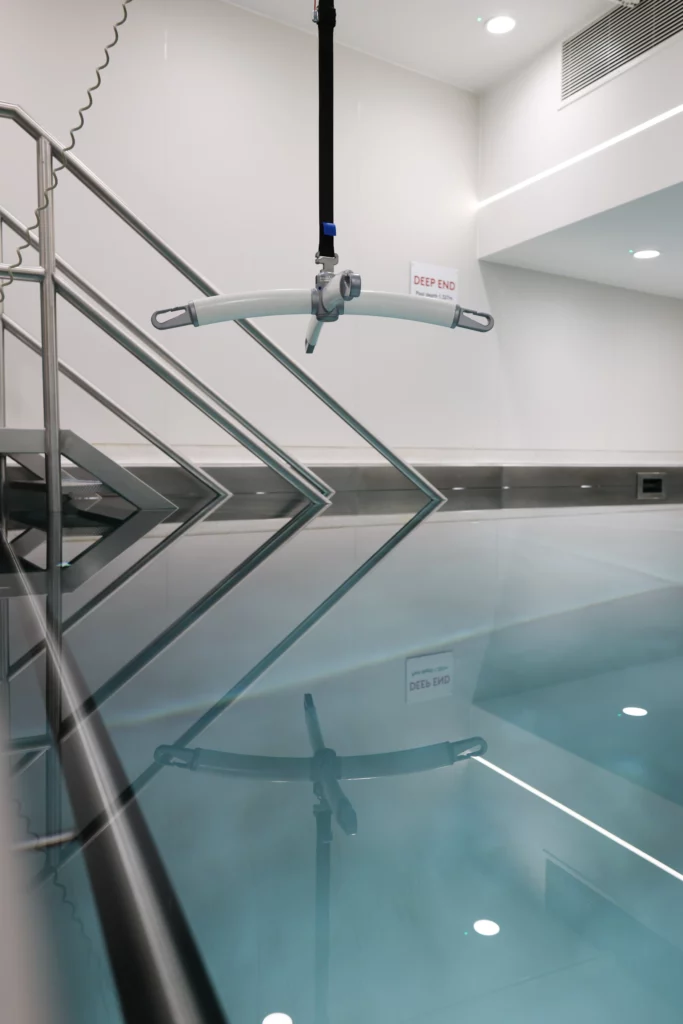
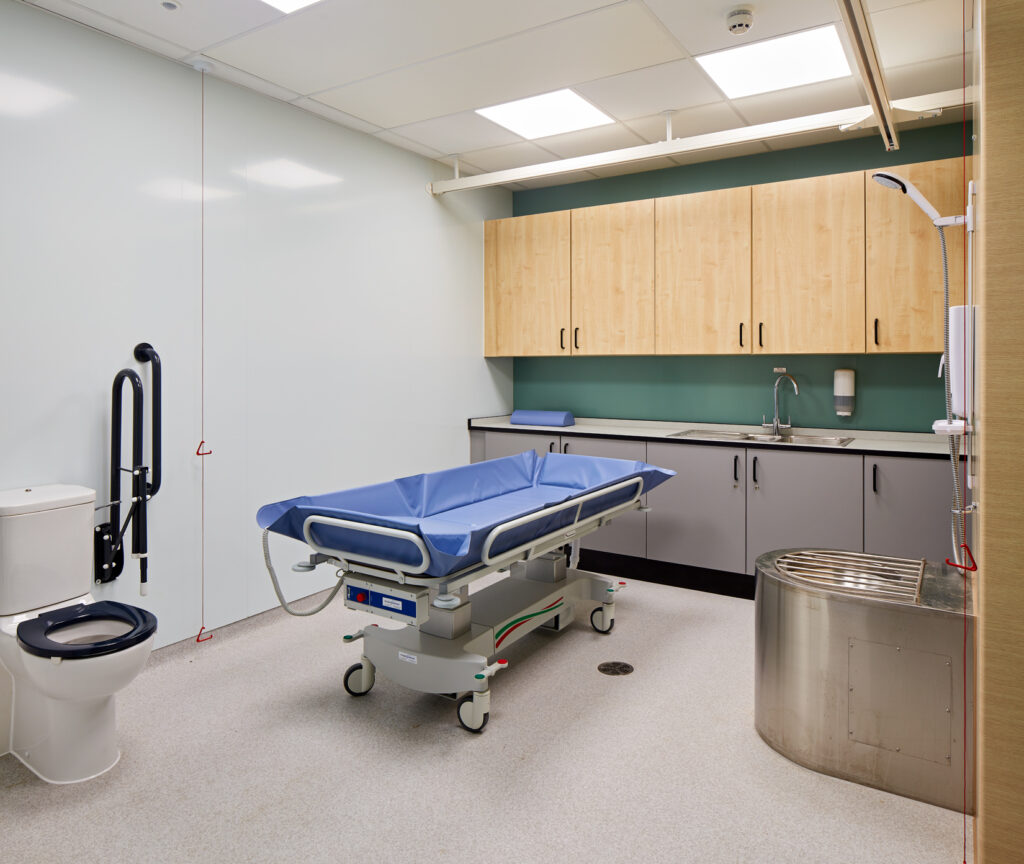
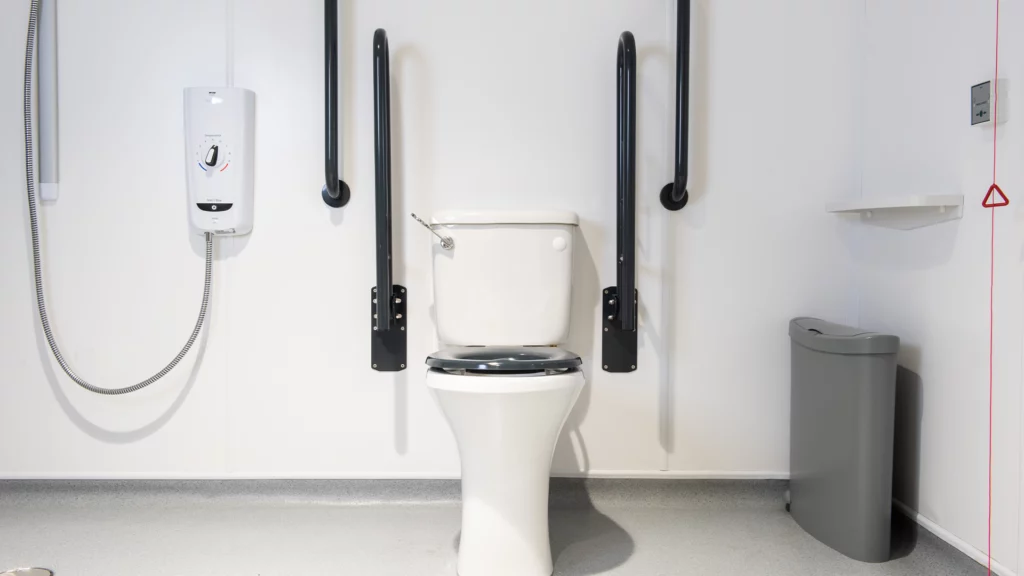
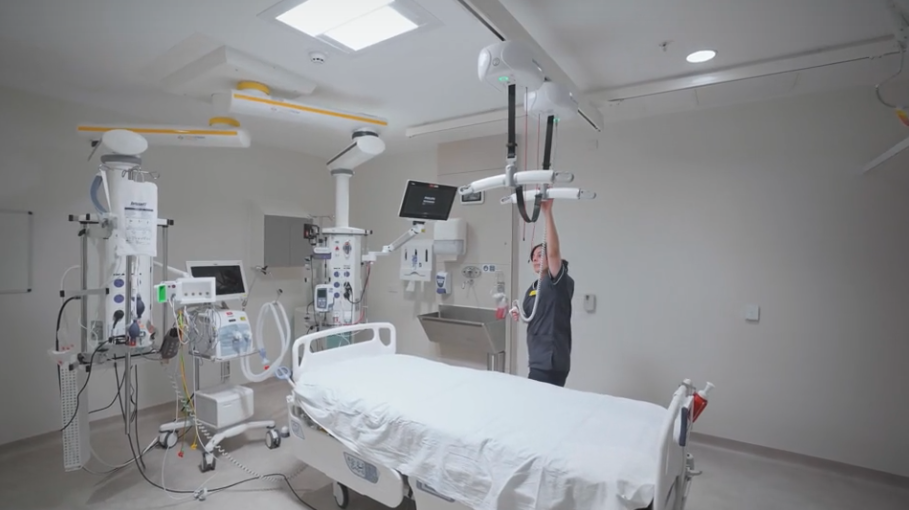
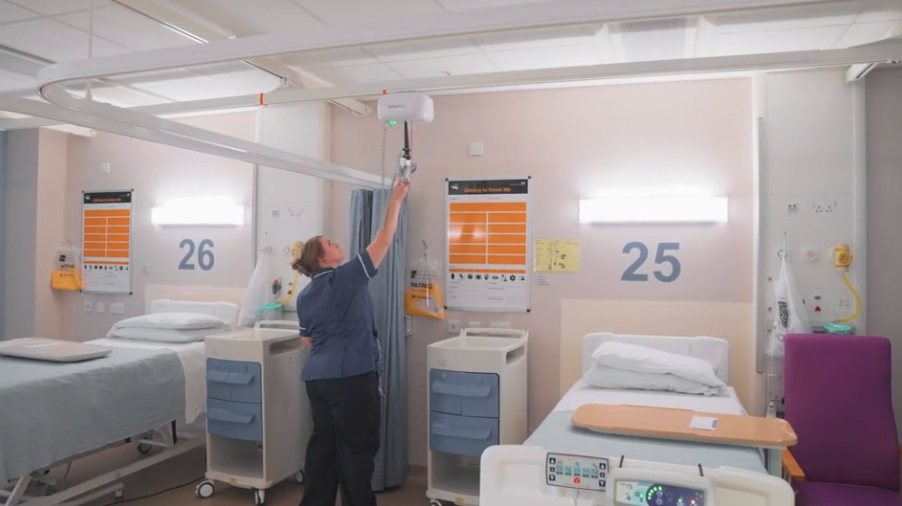
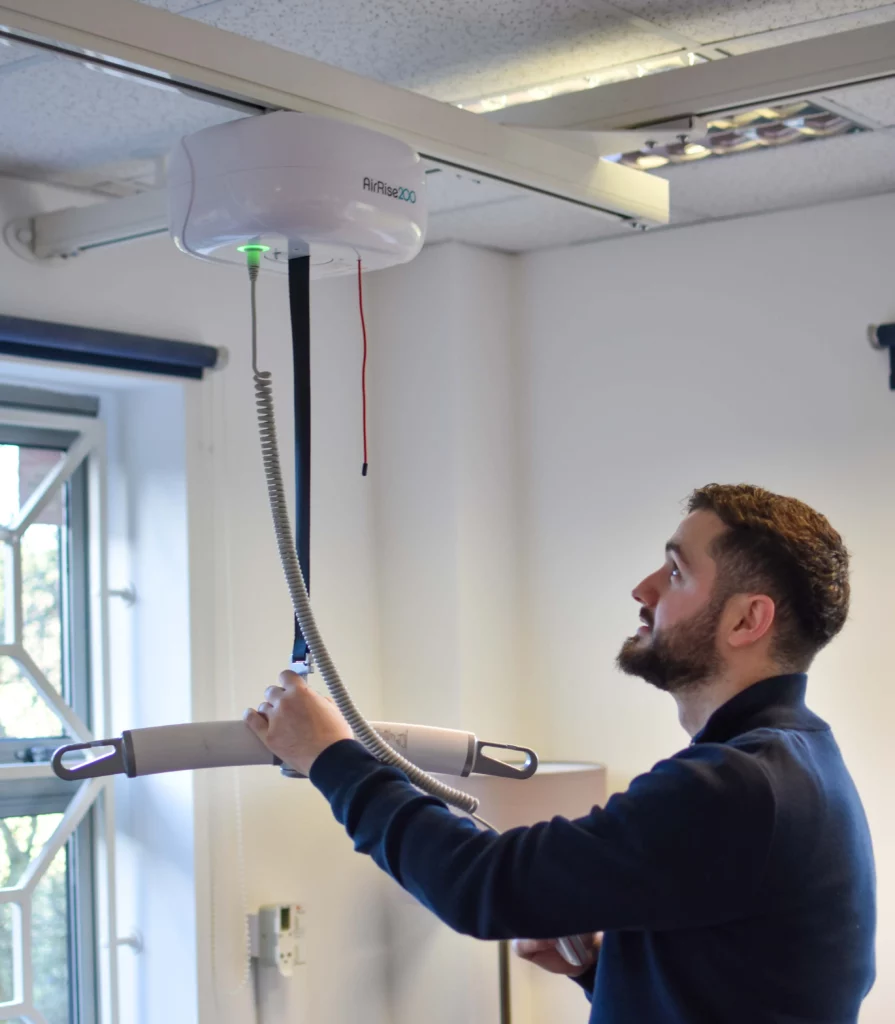
Adding specialist equipment into this environment increases the level of complexity even further. Ceiling hoists require structural support and coordination with mechanical and electrical services. Hygiene rooms depend on carefully planned drainage, plumbing and spatial layouts. Hydrotherapy spaces require specialist plant, accessibility equipment and environmental controls.
When these elements are treated as separate procurement packages, the burden of coordination often falls on project managers, design managers and contractors who are already balancing competing priorities.
The result can be late design changes, programme pressure and costly site adjustments that could have been avoided through earlier collaboration.
The Hidden Cost of Fragmented Specialist Equipment Procurement
Many healthcare projects continue to appoint individual suppliers for each specialist package. While this approach may appear straightforward during procurement, it frequently creates challenges once delivery begins.
Each supplier typically works to their own programme, produces separate technical information and communicates independently with the wider project team. This fragmented approach can make it difficult to identify design clashes until construction is underway.
Responsibility for resolving these issues often falls to contractors and design managers, who must coordinate multiple suppliers while maintaining programme certainty and protecting project budgets.
Architects can also find themselves revisiting completed designs because equipment requirements emerge after layouts have been finalised. This risks compromising carefully considered clinical environments and reducing confidence that the original design intent will be delivered.
For estates teams, fragmented procurement can create further complications after project completion, with multiple service providers, maintenance schedules and compliance records requiring ongoing management.
Although each individual package may perform well in isolation, the overall delivery model becomes increasingly difficult to manage.
The Value of a Coordinated Healthcare Specialist Equipment Strategy
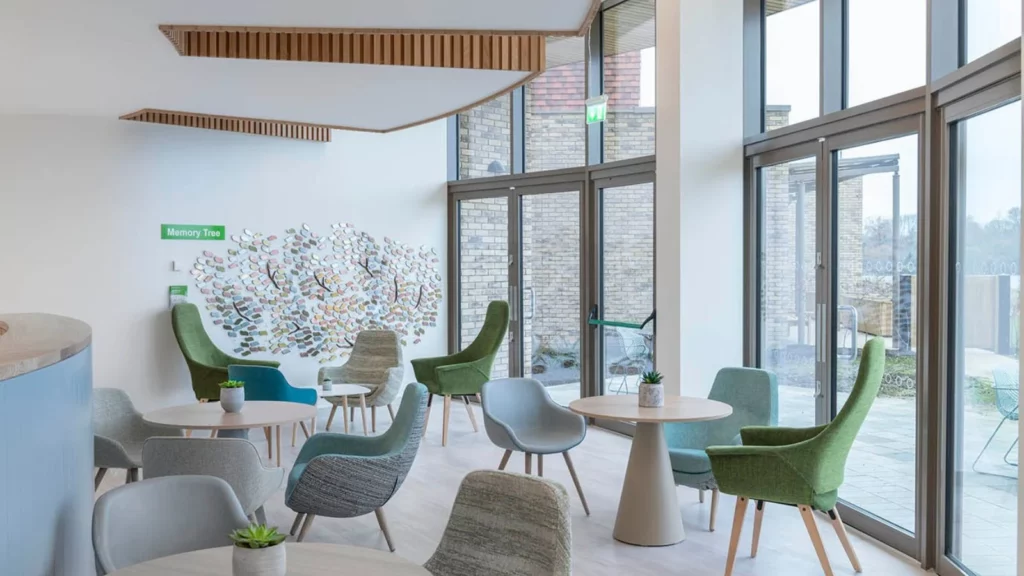
A coordinated approach brings multiple specialist disciplines together under a single delivery model. Rather than managing separate suppliers for hydrotherapy equipment, hoisting systems, hygiene solutions, specialist furniture and other clinical requirements, organisations work with one partner responsible for integrating these packages into the wider project.
This approach simplifies communication from the outset. Architects receive coordinated design information that reflects how specialist equipment interacts with the building as a whole rather than as individual products.
Contractors benefit from clearer installation sequencing and fewer coordination meetings.
Project managers gain greater visibility over programme milestones, while healthcare providers have confidence that specialist equipment has been considered as a complete solution rather than a collection of separate components.
Ultimately, coordinated delivery allows project teams to focus less on managing interfaces between suppliers and more on delivering high-quality healthcare environments.
Protecting Design Intent Through Early Collaboration
One of the greatest advantages of coordinated delivery is the opportunity to involve specialist expertise at the earliest stages of design. Architects are responsible for balancing operational efficiency, patient experience, accessibility, compliance and aesthetics within often challenging refurbishment constraints. When specialist equipment providers are engaged only after layouts have been developed, opportunities for optimisation may already have been lost.
Early collaboration enables specialist requirements to be incorporated naturally into the wider design. Structural supports can be planned before ceilings are finalised. Mechanical and electrical services can be coordinated around specialist installations. Spatial allowances can accommodate safe circulation, maintenance access and clinical workflows without compromising architectural intent.
This approach supports architects by protecting the integrity of their designs rather than forcing reactive changes later in the programme. Instead of restricting creativity, coordinated specialist input enables design teams to deliver healthcare environments that remain practical, compliant and fully operational once complete.
Reducing Programme Risk for Contractors and Design Managers
Healthcare refurbishments rarely allow generous programme contingencies. Live healthcare environments often require phased construction, restricted working hours and carefully managed access arrangements. Delays affecting one specialist package can quickly impact the wider programme.
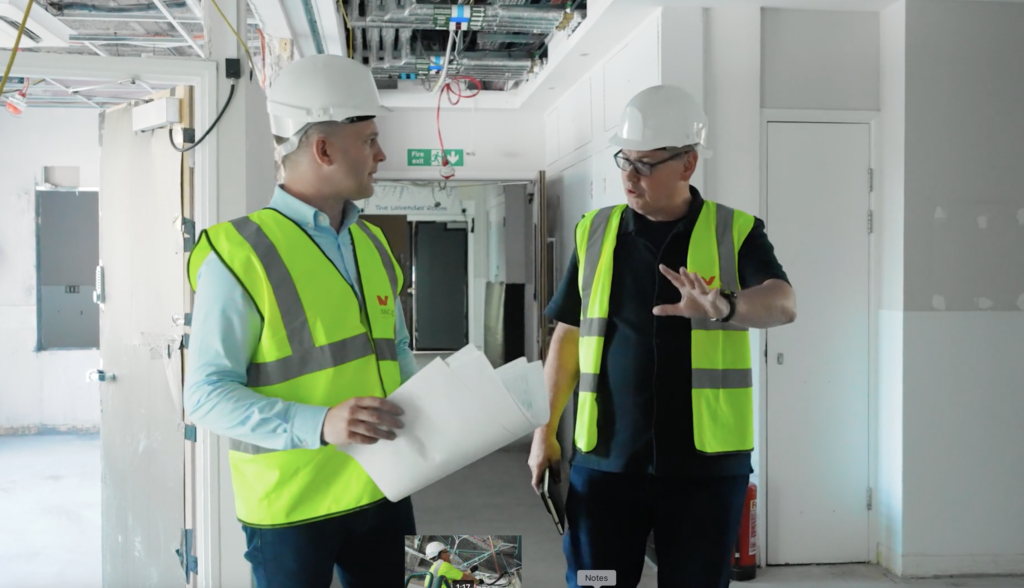
For design managers, maintaining alignment between consultants, contractors and specialist suppliers becomes increasingly challenging as projects progress. Coordinated specialist healthcare equipment significantly reduces this risk by creating a single point of responsibility for equipment integration. Rather than coordinating numerous independent suppliers, contractors work with one specialist partner that understands how each package interacts with the others.
This simplifies technical reviews, reduces duplicated communication and enables design queries to be resolved more efficiently. It also provides greater confidence that equipment installations will align with structural works, building services and finishing trades, reducing the likelihood of disruptive late-stage redesign.
Improving Hospital FF&E Coordination
Effective hospital FF&E coordination extends far beyond furniture selection. In healthcare environments, furniture, fixtures, equipment and specialist installations must function together to support clinical practice, infection prevention, accessibility and day-to-day operations.
A coordinated approach ensures these elements are considered as one integrated environment. For example, patient transfer routes, equipment storage, hoisting systems, hygiene facilities and specialist furniture all influence how staff move through a space and deliver care.
When each package is planned independently, operational inefficiencies can emerge despite individual components meeting their own specifications. Integrated coordination helps ensure every element contributes to a safe, efficient and user-friendly environment.
This joined-up thinking improves the experience not only for patients but also for clinical teams who rely on these spaces every day.
Simplifying Procurement and Communication
One of the most immediate benefits of coordinated delivery is a simpler procurement process. Instead of managing multiple tender packages, evaluating numerous specialist suppliers and coordinating separate contracts, organisations benefit from a streamlined approach that reduces administrative burden.
Communication also becomes significantly more efficient. Questions are directed through a single specialist partner rather than multiple suppliers. Design changes can be assessed holistically, considering their impact across all specialist equipment packages rather than in isolation.
For quantity surveyors, this provides greater cost visibility and reduces the risk of variations arising from poorly coordinated interfaces. And for project managers, it means fewer meetings, clearer accountability and more predictable delivery.
These efficiencies may appear incremental individually, but across a complex refurbishment project they can save considerable time while reducing unnecessary project risk.
Supporting Healthcare Project Risk Reduction Beyond Handover
Project success should not be measured solely at practical completion. Healthcare facilities require ongoing servicing, planned preventative maintenance and compliance management throughout their operational life.
When specialist equipment has been supplied by numerous organisations, facilities teams often inherit multiple maintenance contracts, service schedules and points of contact. Coordinated delivery simplifies this ongoing responsibility.
A single maintenance partner can provide consistent servicing across multiple specialist equipment categories, reducing administrative complexity while helping organisations maintain compliance more effectively.
This lifecycle approach also creates valuable continuity. The team responsible for supporting equipment in operation already understands how systems were specified, installed and integrated during construction.
For estates teams, this translates into faster issue resolution, clearer accountability and reduced operational disruption.
Delivering Long-Term Value Through Coordinated Healthcare Delivery
The benefits of coordinated healthcare delivery extend well beyond construction. Healthcare buildings are continually evolving to accommodate changing patient needs, advances in clinical practice and future refurbishment programmes. Working with a coordinated specialist equipment partner creates a valuable knowledge base that supports future projects.
Equipment records, servicing history, replacement planning and asset management become easier to manage because information is consolidated rather than fragmented across numerous suppliers. This helps healthcare organisations make better long-term investment decisions while reducing lifecycle costs and simplifying future upgrades.
Instead of repeatedly rebuilding specialist knowledge for each refurbishment, organisations benefit from an established partnership that understands both the facility and its operational requirements.
Conclusion
As healthcare environments become increasingly complex, the traditional model of juggling multiple independent specialist equipment suppliers is becoming herder manage.
Coordinated healthcare specialist equipment packages provide a more effective alternative by simplifying communication, reducing procurement complexity and integrating specialist expertise from the earliest design stages.
For architects, this protects design intent while supporting practical, buildable solutions.
Regarding contractors and design managers, it reduces coordination challenges, programme risk and late-stage redesign.
For estates teams, it creates a more manageable approach to servicing, compliance and long-term asset management.
Ultimately, successful healthcare refurbishment projects are not simply about installing specialist equipment. They are about creating environments where every component works together seamlessly to support patient care, clinical teams and operational efficiency.
By consolidating specialist equipment into one coordinated solution, healthcare organisations can reduce risk, improve project delivery and create facilities that continue to deliver value long after construction is complete.