Top 5 Innovative Design Features Transforming SEN Schools in 2024
1. Sensory Integration Features
Creating Spaces That Engage and Calm
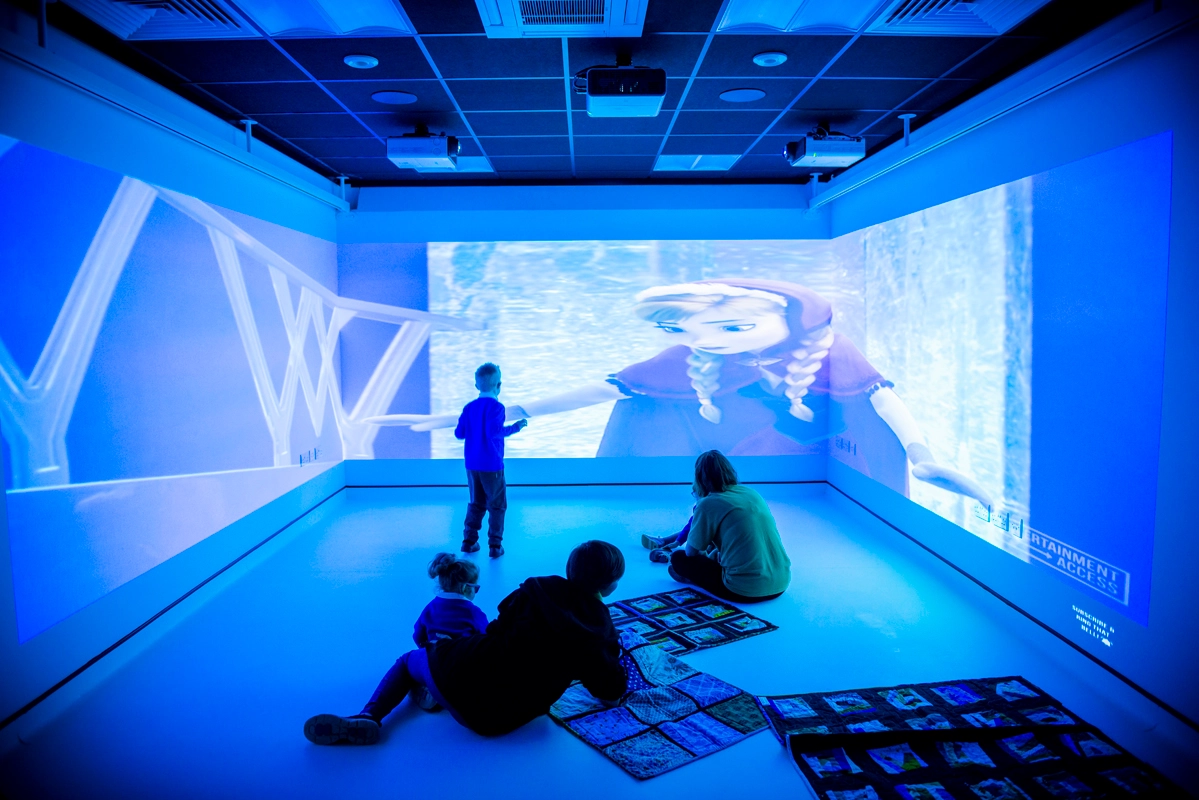
One of the most significant trends in SEN school design is the incorporation of sensory integration features. These are spaces and tools specifically designed to help students with sensory processing challenges, such as those with Autism Spectrum Disorder (ASD) or Sensory Processing Disorder (SPD). Sensory overload can be a significant barrier to learning for many SEN students, so creating environments that cater to their sensory needs is crucial.
Key features include:
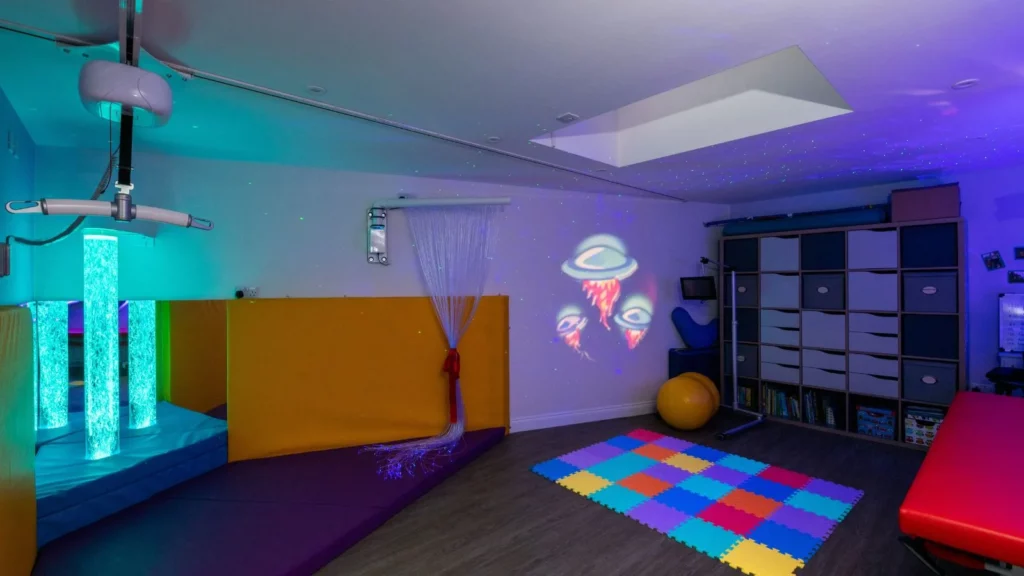
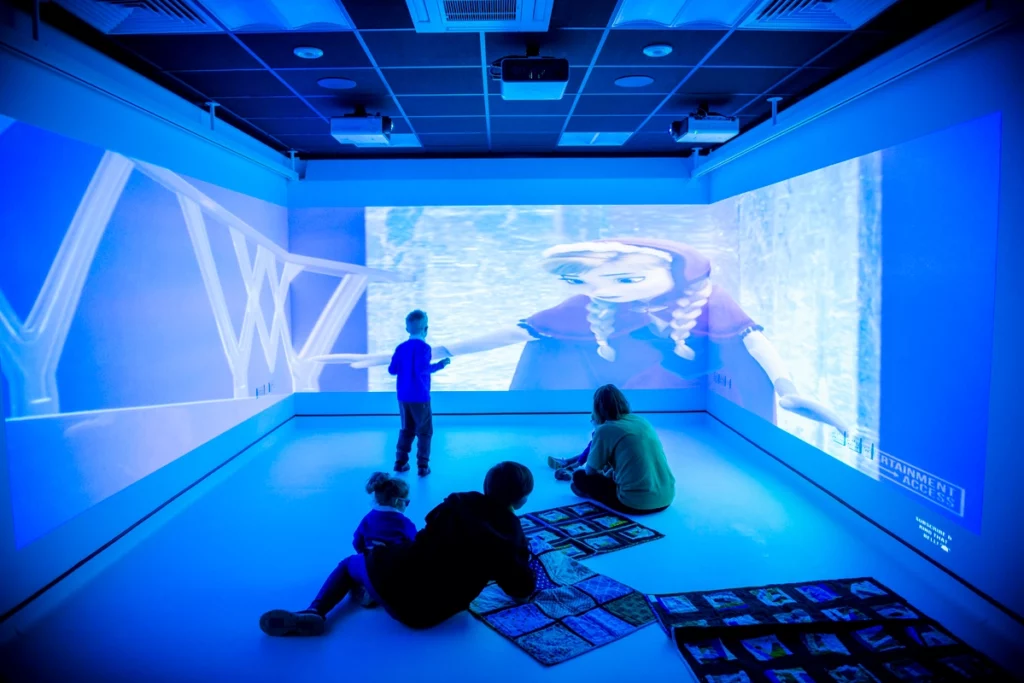
- Sensory rooms: Fitted with soft lighting, calming sounds, and tactile experiences like bean bags, weighted blankets, and sensory toys to help students self-regulate.
- Noise reduction: Soundproofing materials, such as acoustic panels, to minimize distractions and auditory overload.
- Adjustable lighting: Lighting that can be dimmed or altered to reduce glare and create a calming atmosphere, which can be crucial for students who are sensitive to light.
- Tactile elements: Interactive walls, textured surfaces, or sensory gardens that allow students to engage their senses in a controlled, soothing way.
These sensory features create safe spaces and calming zones where students can retreat when feeling overwhelmed, making learning environments more adaptable and supportive. They can help students regulate their emotions and focus better, providing a better environment for learning.
Design Tips
Try using soft lighting, noise-dampening materials, and tactile surfaces to aid with self-regulation. This can be further enhanced with additional tools like swings, bubble tubes, and weighted items that the students can pick up and interact with.
We recently worked on the new Sandside Lodge School for their hydrotherapy and hoisting needs, and they installed a brilliant sensory room for students.
2. Adaptable Classroom Layouts
Flexibility for Every Learner
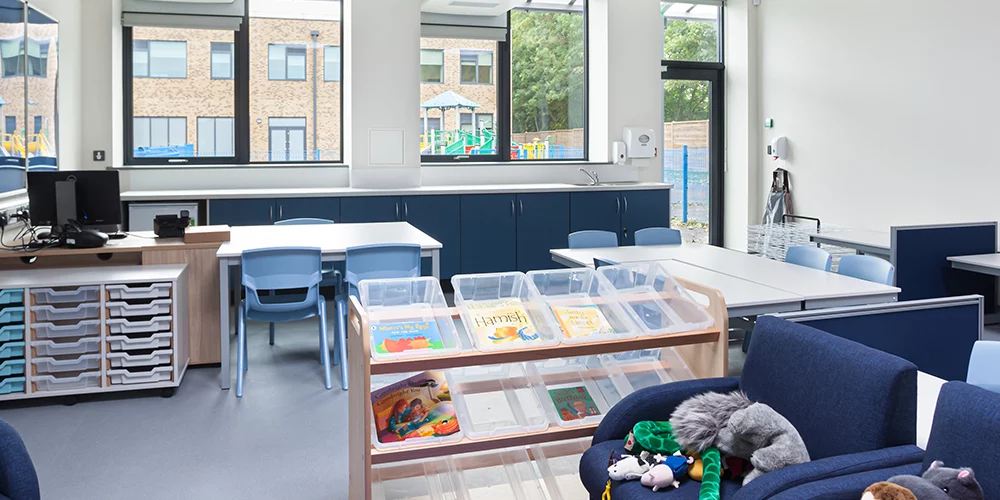
Flexible classroom designs are helping SEN schools move away from one-size-fits-all layouts to spaces that can be reconfigured to suit the unique needs of each student. The idea is to create dynamic environments where students can engage in different types of activities, whether they need quiet time, collaborative group work, or physical movement.
Key elements of adaptable layouts include:
- Modular furniture: Desks and chairs that can be easily moved, rearranged, or removed to create smaller learning zones, group areas, or individual workstations. Movable partitions also allows you to change the layout of zones.
- Multi-functional spaces: Rooms that can serve multiple purposes—whether it’s a quiet reading nook, a space for hands-on learning, or a sensory retreat—depending on the needs of the moment.
- Breakout areas: Spaces designed for students to step away from the main classroom if they need to calm down, focus, or regroup. These areas may include soft seating, sensory items, or calming visuals.
This level of flexibility allows students to engage in their education in the ways that work best for them, while also promoting independence. It also gives staff the ability to teach in different ways and with different activities. Students can participate in group work, one-on-one sessions, and engage in independent learning all in the same space.
Design Tips
Lightweight, mobile furniture is a must for adaptable classrooms. It allows staff to quickly reconfigure the rooms with ease and little disruption for students. Foldable walls and dividers can also be used to split the room into sections and allow for various learning setups.
3. Calming Colour Schemes
The Science of Colours in Learning Spaces
Colour plays a significant role in the emotional and psychological impact of a space, especially in SEN environments. Research has shown that certain colours can have a calming effect, while others may promote focus or energy. SEN schools are incorporating more intentional, calming colour schemes into their designs to create spaces that support emotional regulation and concentration.
Features of calming colours:
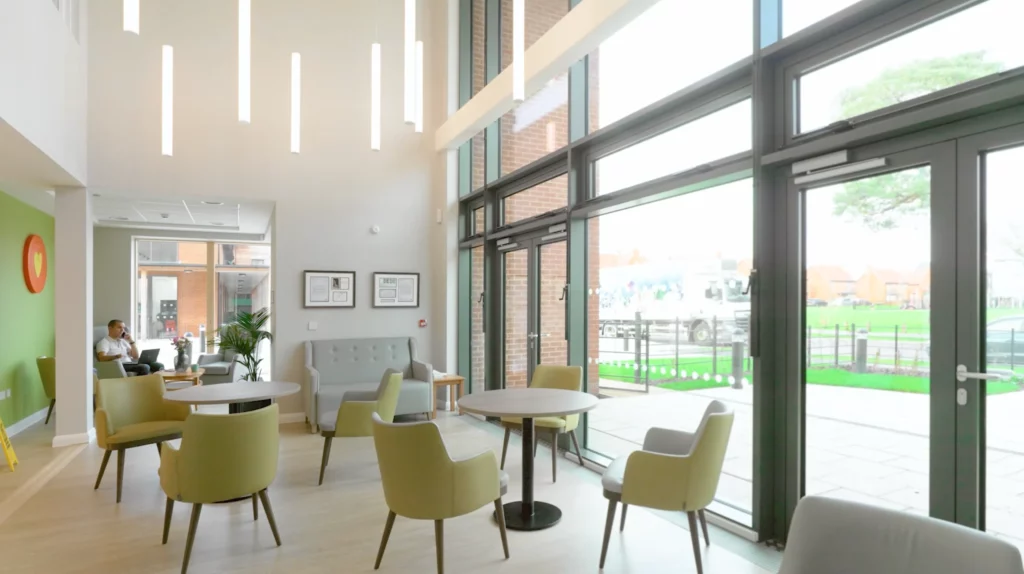
- Soft, muted tones: Colours like pastel blues, greens, and soft greys are often used because they have been shown to reduce stress and anxiety while promoting focus.
- Accent colours: Subtle pops of colour, such as warm yellows or light oranges, can be strategically placed to encourage positivity and energy without overwhelming students.
- Colour-coded zones: Different areas within the classroom or school may use distinct colours to signal specific functions or moods. For example, a “quiet zone” could feature soft blues, while a “collaboration zone” might have energizing green or orange hues.
By integrating calming and thoughtfully chosen colour schemes, SEN schools can foster a more peaceful, inviting atmosphere where students feel comfortable and focused. Colours can help to reduce stress and promote concentration, key things to consider when designing SEN environments that will help students learn and thrive.
Design Tips
Try using blues, greens, and neutral tones for walls and furnishing. Avoid using any overly bright or complex patterns as these can cause distraction and distress.
4. Assistive Technology Integration
Tech Solutions for a Better Learning Experience
Assistive technology has become a cornerstone of modern SEN education, providing students with the tools they need to engage with learning materials, communicate, and navigate their surroundings more independently. In 2024, SEN schools are more seamlessly incorporating technology into their classroom designs.
Examples of assistive technology in SEN schools include:
- Interactive whiteboards: These help teachers to engage with students in new and exciting ways that suit their individual needs.
- Voice-controlled devices: Systems like Alexa or Google Assistant can be integrated into classrooms, allowing students to control their environment (lighting, music, or devices) through voice commands.
- Speech-to-text tools: These tools help students with dyslexia or writing difficulties express themselves by converting their spoken words into written text.
- Augmentative and alternative communication (AAC) devices: For non-verbal students, AAC devices allow them to communicate through symbols, text, or pictures, promoting social interaction and independence.
- Adaptive keyboards and eye-tracking systems: These technologies make it easier for students with physical disabilities or limited dexterity to use computers and digital learning tools.
By integrating these tools into the design of classrooms, teachers have the tools they need to carry out personalised learning plans. It also helps students (and specifically students with mobility issues) to take control of their learning, communicate effectively, and engage more meaningfully with educational content.
Design Tips
When looking at what tech to include, ensure that it is easy-to-use and accessible for everyone. Consider including charging stations and wireless connectivity throughout the classroom to allow for more seamless integration.
5. Outdoor Learning Areas
Bringing Education Beyond Four Walls
Outdoor learning is gaining recognition as a powerful tool for enhancing education in SEN schools. The therapeutic benefits of nature—combined with the flexibility of outdoor environments—make them ideal for supporting students with a wide range of needs. Designing accessible outdoor learning areas (where students can explore, learn, and engage in activities that might be more challenging indoors) promotes sensory exploration and experiential learning.
Outdoor learning areas should include:
- Sensory gardens: These gardens are designed with various textures, sounds, and scents to engage all the senses. They provide an ideal space for students to unwind, explore nature, and learn in a soothing environment.
- Accessible outdoor classrooms: Outdoor spaces that are fully equipped with seating, tables, and teaching materials, so students can have lessons in a natural, stimulating environment.
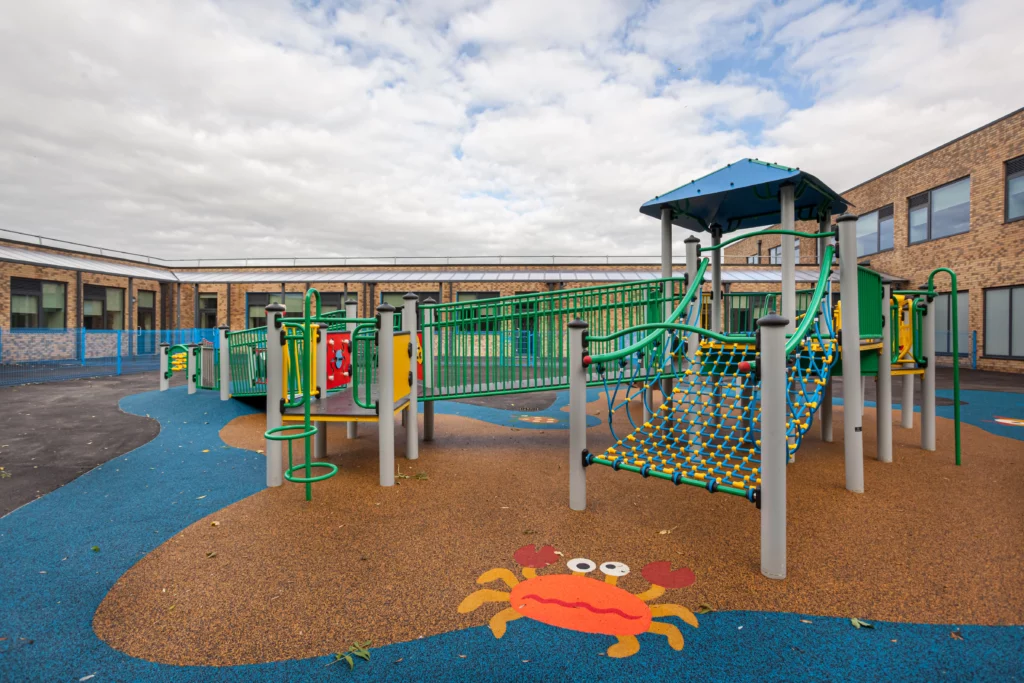
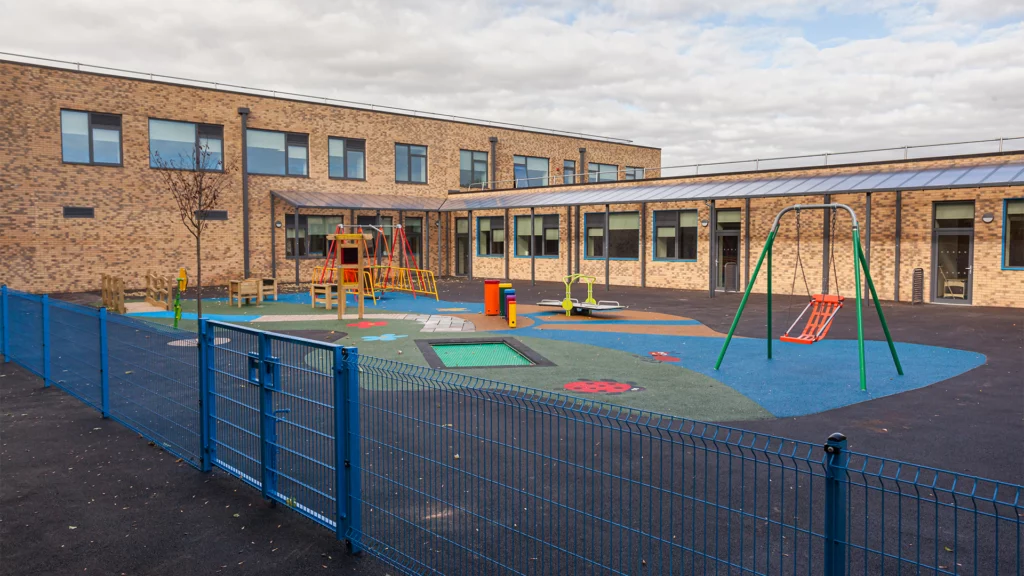
- Inclusive play areas: Playgrounds and outdoor spaces designed to accommodate students with different physical abilities, featuring accessible equipment like wheelchair ramps, swings, and tactile elements.
- Nature trails and walking paths: These areas encourage physical activity and exploration while promoting relaxation and sensory engagement.
Outdoor learning areas not only support physical and emotional well-being but also offer opportunities for hands-on learning, creativity, and social interaction, making them an invaluable component of SEN school design. They give students a space for physical activity and creativity, which are invaluable to their learning journeys.
Design Tips
Make sure that any paths are accessible for all students. Raised flowerbeds or raised sensory gardens are also a good idea to give students easier access for sight, scent, and touch engagement. Outdoor classroom areas are also a good idea for the warmer months, giving students and teachers a change in scenery to help sustain participation.
Conclusion
The design of SEN schools is being transformed by innovative features that prioritize flexibility, sensory support, and accessibility. Sensory integration features, adaptable classroom layouts, calming colour schemes, assistive technology, and outdoor learning areas are all playing a pivotal role in creating environments where students can flourish. By focusing on individual needs and promoting inclusive, supportive spaces, these schools are ensuring that every child has the opportunity to learn, grow, and thrive.
If you need any further advice or help with designing or adapting SEN school environments, then feel free to contact our team for a chat or consultation.

Speak to The Experts
Need assistance with product enquiries, general enquiries, or product support? Our phonelines are open 9am - 5pm Monday to Friday. Or, fill out the form for a call back.