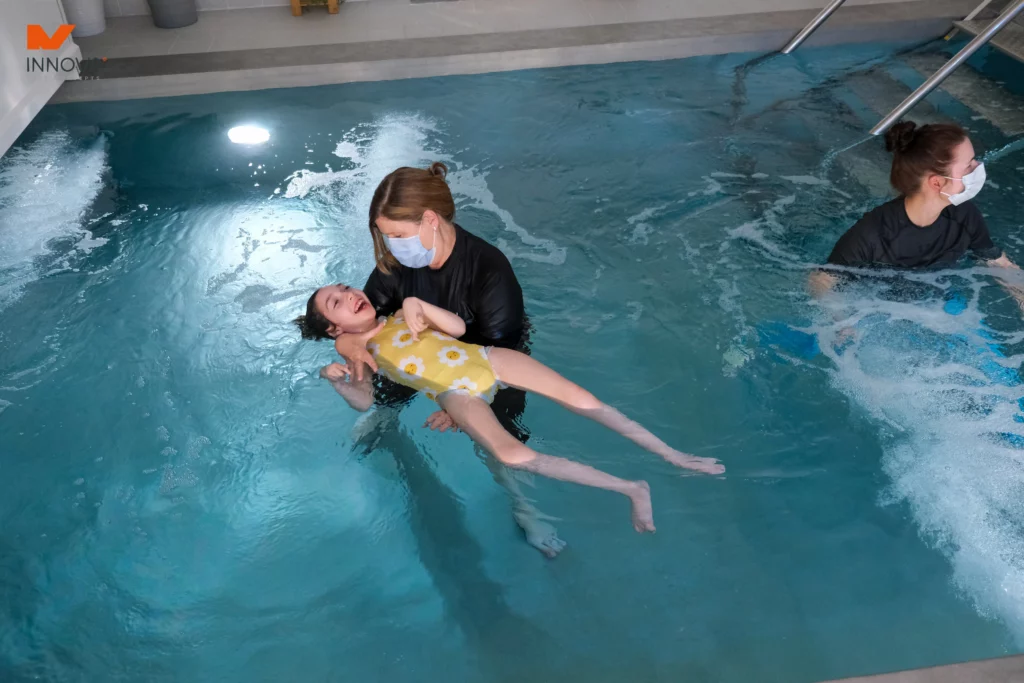
What is a hydrotherapy pool?
What is a hydrotherapy pool? A guide to hydro pools and their benefits
A hydrotherapy pool, often referred to simply as a hydro pool, is a specially designed, heated water environment used for therapeutic purposes. These pools are warmer than standard swimming pools, typically kept between 33°C and 36°C, to create an ideal setting for rehabilitation, pain relief, and physical therapy.
When people ask, “what is a hydrotherapy pool?”, they’re often picturing a warm, relaxing space filled with bubbling jets, but there’s more to it than that. A hydrotherapy pool is a powerful tool in both medical and wellness settings, providing support for a wide range of physical conditions, from injury recovery to chronic pain management.
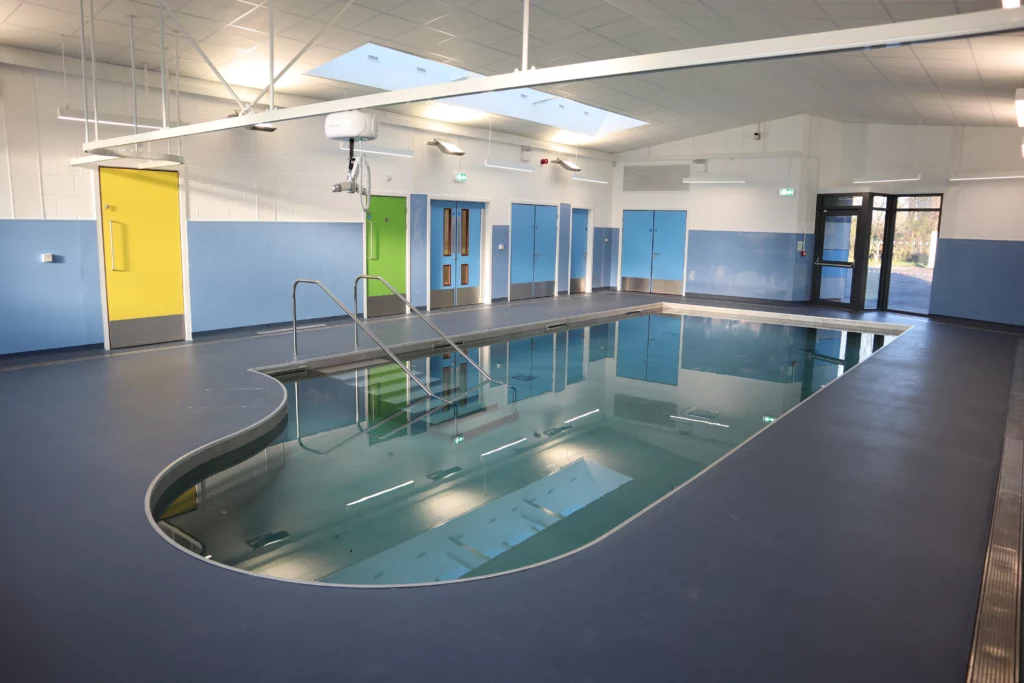
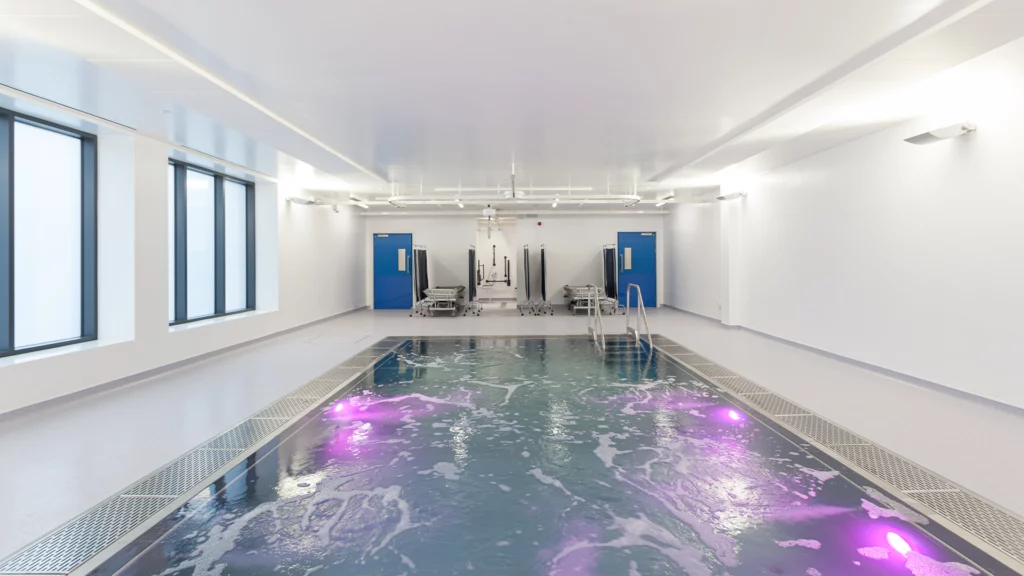
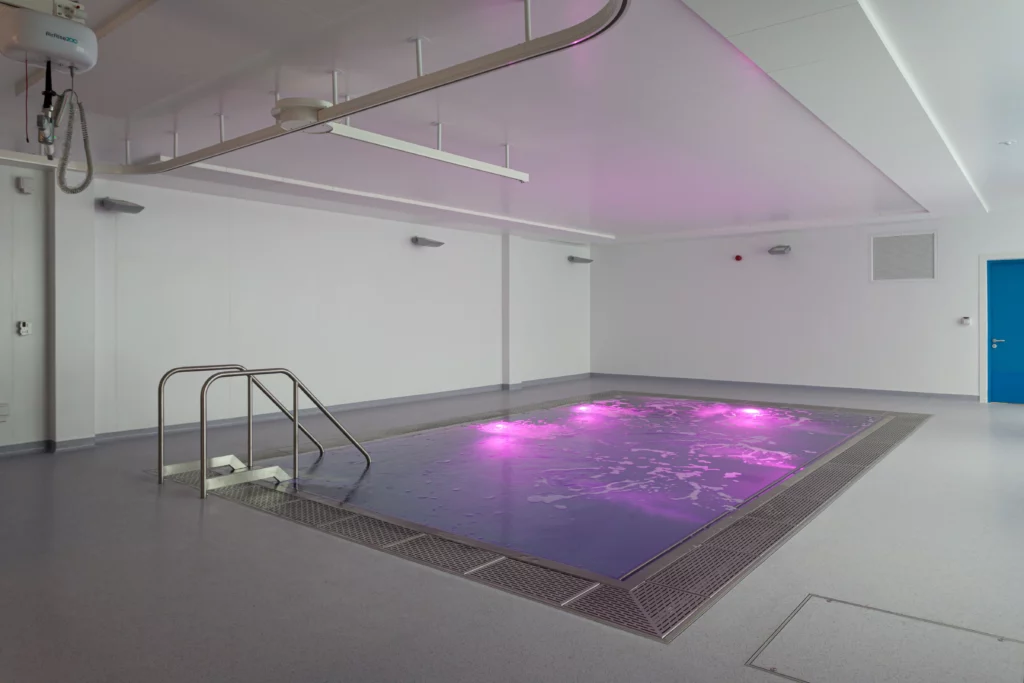
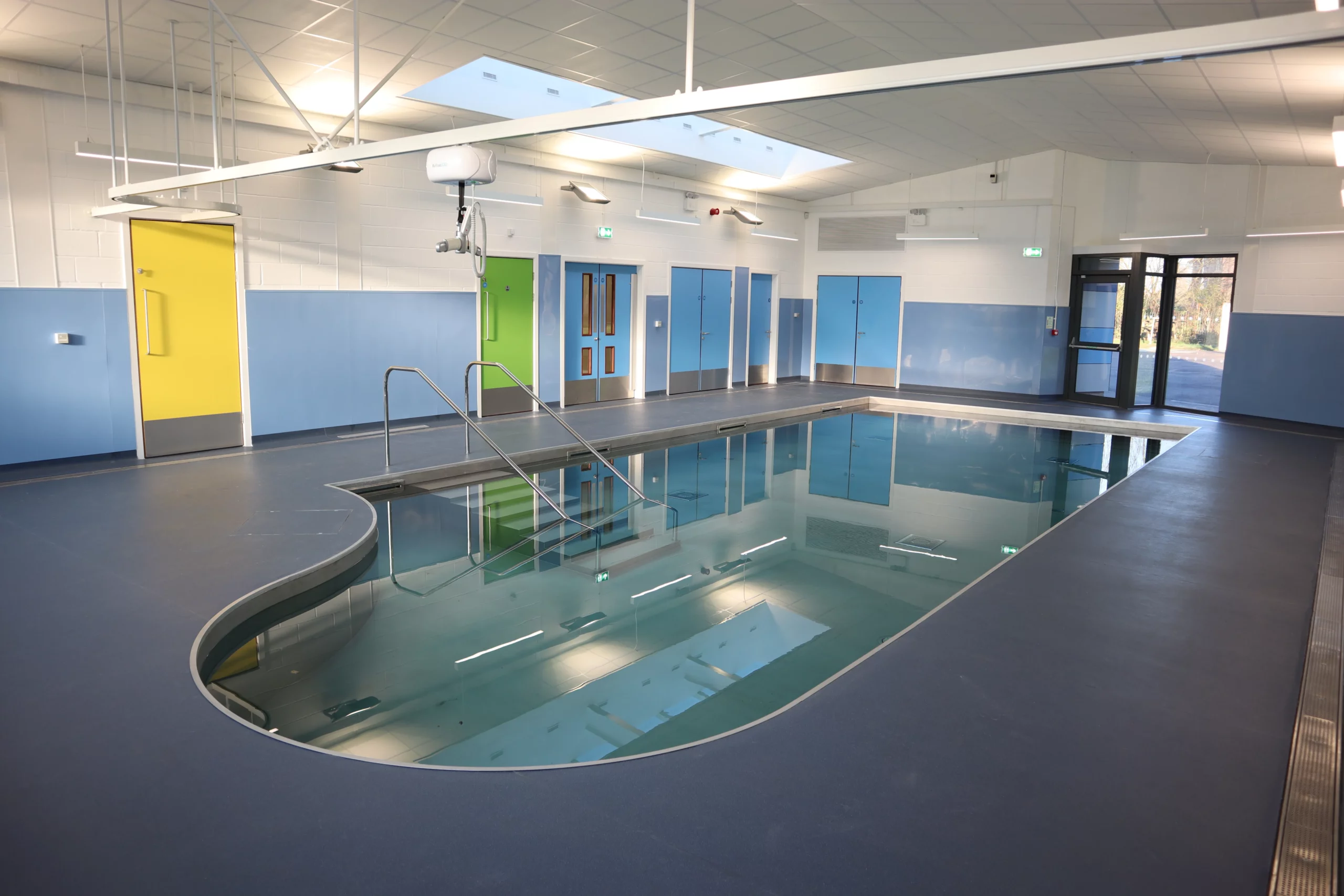
Stainless steel hydrotherapy installed by Innova at Kingfishers SEN School
Unlike traditional pools, hydrotherapy pools are built not for recreational swimming but for therapeutic exercise. The combination of warm water, buoyancy, and often integrated massage jets allows users to move with greater ease, reducing strain on joints and muscles. This environment is especially beneficial for individuals undergoing physical rehabilitation, those living with long-term mobility issues, or even athletes in recovery.
The purpose and meaning of a hydro pool
The hydro pool meaning extends far beyond its physical features. At its core, a hydro pool is about accessibility, healing, and improving quality of life. It provides a safe, controlled environment where individuals can perform exercises that might otherwise be too difficult or painful on land.
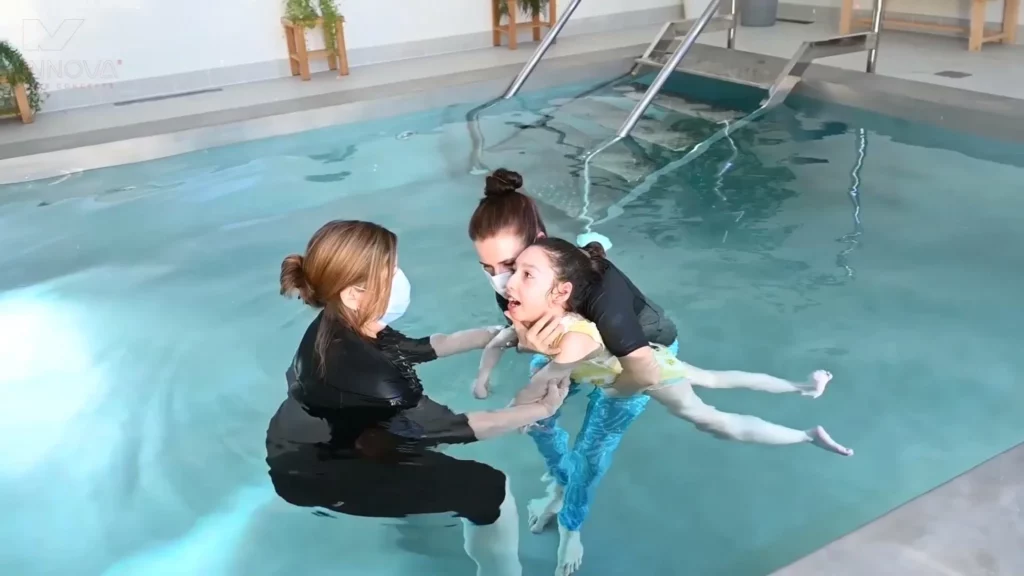
Hydrotherapy can have huge benefits for those with complex disabilities, helping with mobility, pain management and wellbeing
For example, walking in a hydro pool allows people with joint or muscular pain to regain strength and confidence without bearing full body weight. The resistance of the water also helps build muscle tone and improve cardiovascular health in a low-impact way. For many, especially older adults or people recovering from surgery, these pools make it possible to stay active and rehabilitate in a supportive, comfortable setting.
In clinical settings, hydrotherapy pools are often used as part of physiotherapy programmes. Therapists may assist patients with gentle movements, stretches, and resistance exercises designed to restore mobility and reduce discomfort. The warmth of the water also helps increase blood flow, which promotes healing and eases muscle stiffness.
How hydrotherapy pools differ from standard pools
While hydrotherapy pools and regular pools might appear similar at first glance, they differ in significant ways. The temperature in a hydro pool is carefully maintained at a therapeutic level, much higher than a leisure pool (as recommended by the ATACP). The design may also include features like integrated seating, handrails, or shallow gradients to accommodate users with reduced mobility.
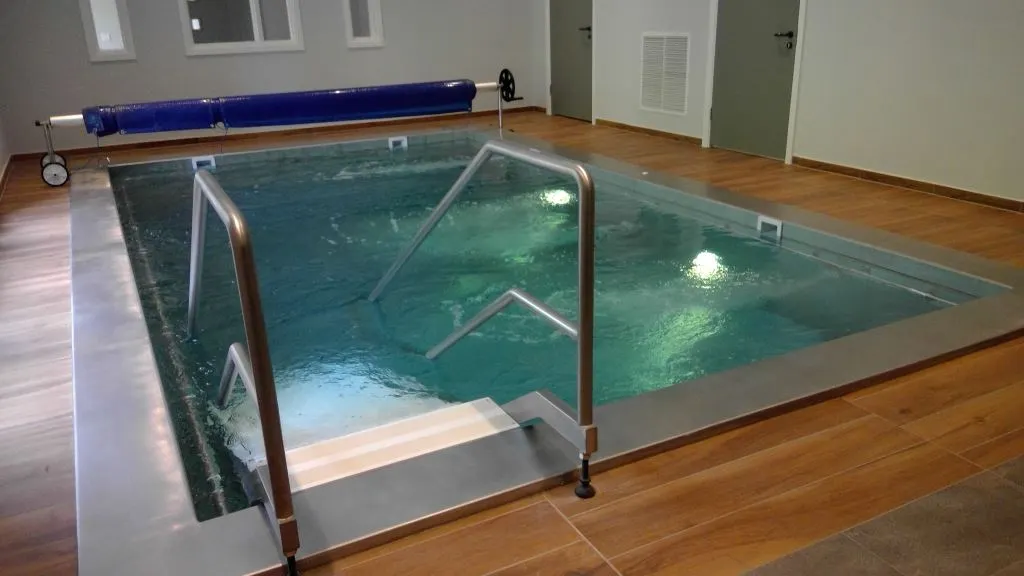
Filtration systems also vary, depending on the type of hydro pool. Skimmer pools, which use wall-mounted openings to draw in surface water, are more common in private or domestic settings due to their cost-effectiveness.
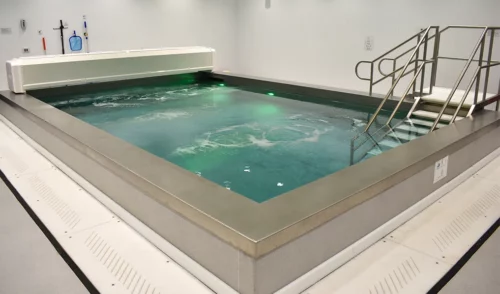
Skimmer hydrotherapy pool
Overflow pools, on the other hand, have drainage channels running around the edge of the pool and are usually installed in more advanced, commercial facilities. These provide superior water quality and are better suited for environments with frequent or multiple users.

Overflow hydrotherapy pool
Installing a hydrotherapy pool
The installation of a hydrotherapy pool is a complex process requiring careful planning, skilled engineering, and knowledge of therapeutic needs. A provider like Innova Care Concepts will typically work with clients from the initial design phase right through to the final handover. This includes creating bespoke features tailored to each user group, such as pool lifts, hoists, or sensory lighting for people with additional needs.
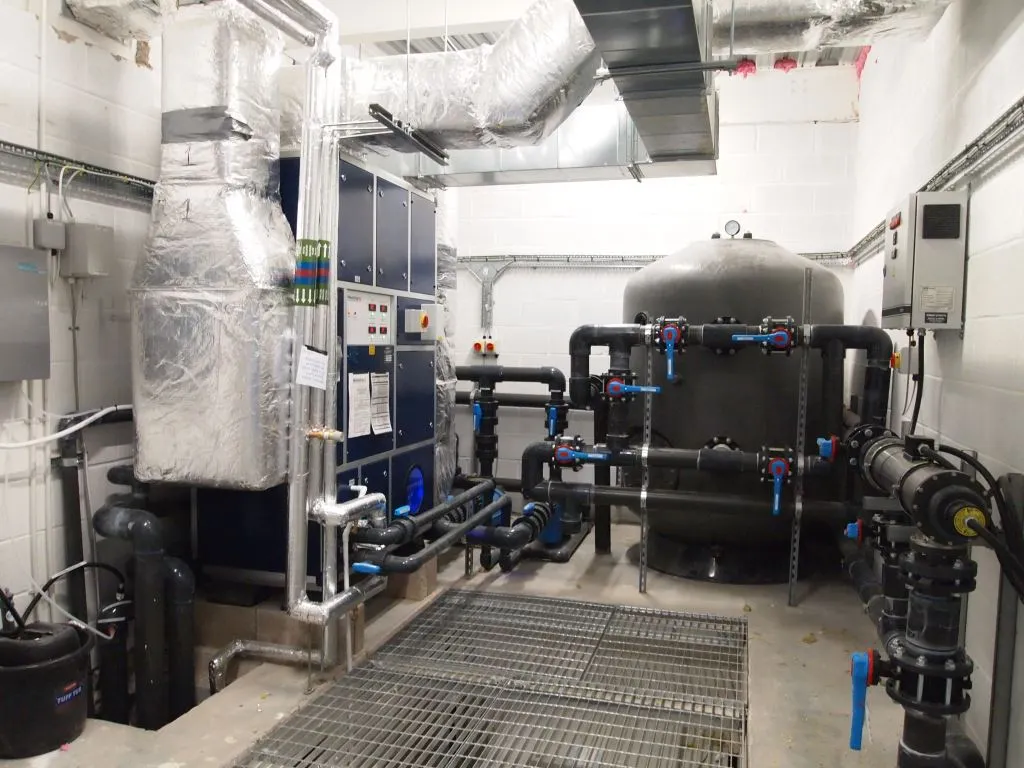
Once the hydro pool is constructed and fitted with heating and filtration systems, it undergoes rigorous safety checks before being filled and commissioned. Staff are then trained in its use to ensure that users can enjoy safe, effective sessions. The final result is a facility that can make a life-changing difference for individuals across a wide range of physical and neurological conditions.
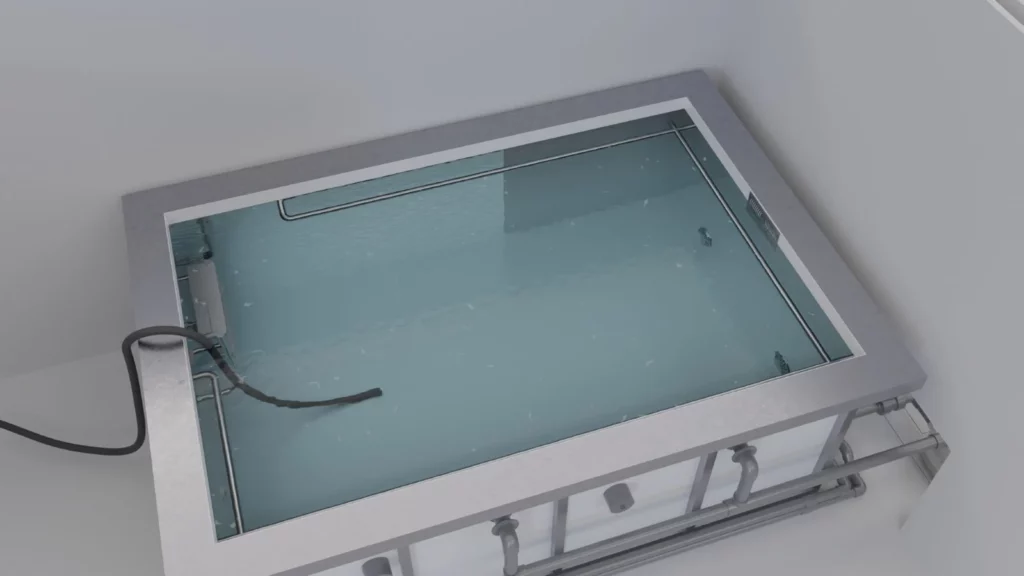
You can see the entire hydrotherapy pool installation workflow in our video here.
Here’s a list of the installation phases shown in the video:
- Design
- Construction
- Delivery
- Plant Room Installation
- Safety
- Fill Up and Commissioning
- Training and Handover
You can watch our pool installation guide on our hydrotherapy pool page.
Summary
If you’re considering adding a hydrotherapy pool to a home, care setting, or facility, it’s worth exploring how a hydro pool could improve physical outcomes and quality of life. Whether for rehabilitation or general wellness, the therapeutic benefits are both far-reaching and well-documented.
FAQs
What is a hydrotherapy pool used for?
A hydrotherapy pool is used for therapeutic exercise and rehabilitation. It helps people with injuries, disabilities, or chronic conditions to regain mobility, reduce pain, and improve overall physical health in a warm, supportive water environment.
Can anyone use a hydro pool?
Most people can benefit from using a hydro pool, but it’s important to seek medical advice beforehand, especially for those with heart conditions, skin sensitivities, or other medical concerns. Many hydrotherapy sessions are guided by physiotherapists or healthcare professionals.
Is there a difference between a hydro pool and a hot tub?
Yes. While both involve heated water, a hydro pool is purpose-built for therapy and rehabilitation, often including features like hoists, wide entry points, and specific temperature controls. A hot tub is generally for leisure and relaxation.
How hot is a hydrotherapy pool?
Hydrotherapy pools are usually heated between 33°C and 36°C. This temperature range is optimal for promoting muscle relaxation, improving circulation, and easing joint pain without overheating the body.
Can hydrotherapy help with long-term conditions like arthritis?
Absolutely. Many people with arthritis and similar chronic conditions find that regular sessions in a hydrotherapy pool reduce stiffness, enhance mobility, and lessen overall pain. The warm water supports the joints, making movement easier and more comfortable.