The psychology of accessible design: how spaces impact mental health
Understanding accessible design psychology
Accessible design psychology considers more than just ramps and handrails; it aims to create spaces that are physically, emotionally, and cognitively accessible to all users, particularly those with health challenges or disabilities. The concept is based on the idea that thoughtful, inclusive design can ease psychological stress and promote a sense of safety, autonomy, and comfort.
For patients dealing with illness, injury or long-term conditions, the clinical environment plays a critical role in shaping their healing experience. For caregivers, both professional and familial, an accessible, well-designed space can significantly reduce the stress and emotional fatigue that comes with caregiving duties. Simply put, when a space works for its users, everyone benefits.
Reducing anxiety through environmental cues
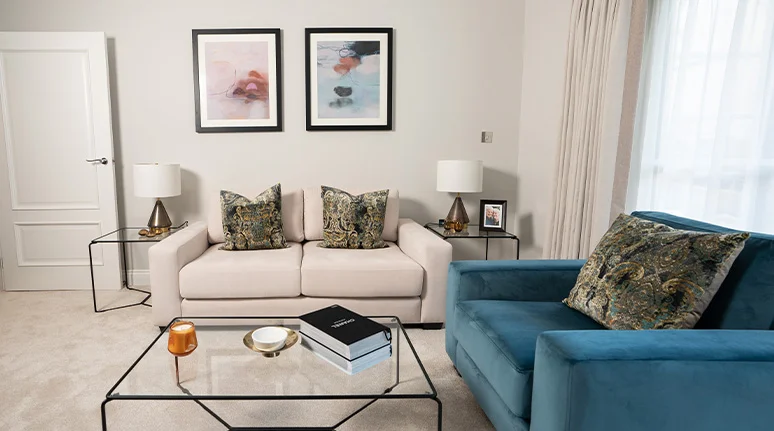
Design elements such as lighting, colour schemes, acoustics, and spatial layout can either exacerbate or alleviate anxiety. A cluttered, noisy hospital ward filled with harsh lighting and confusing signage can trigger stress, confusion, and even feelings of helplessness. In contrast, spaces that employ accessible design psychology prioritise clarity, calm, and navigational ease.
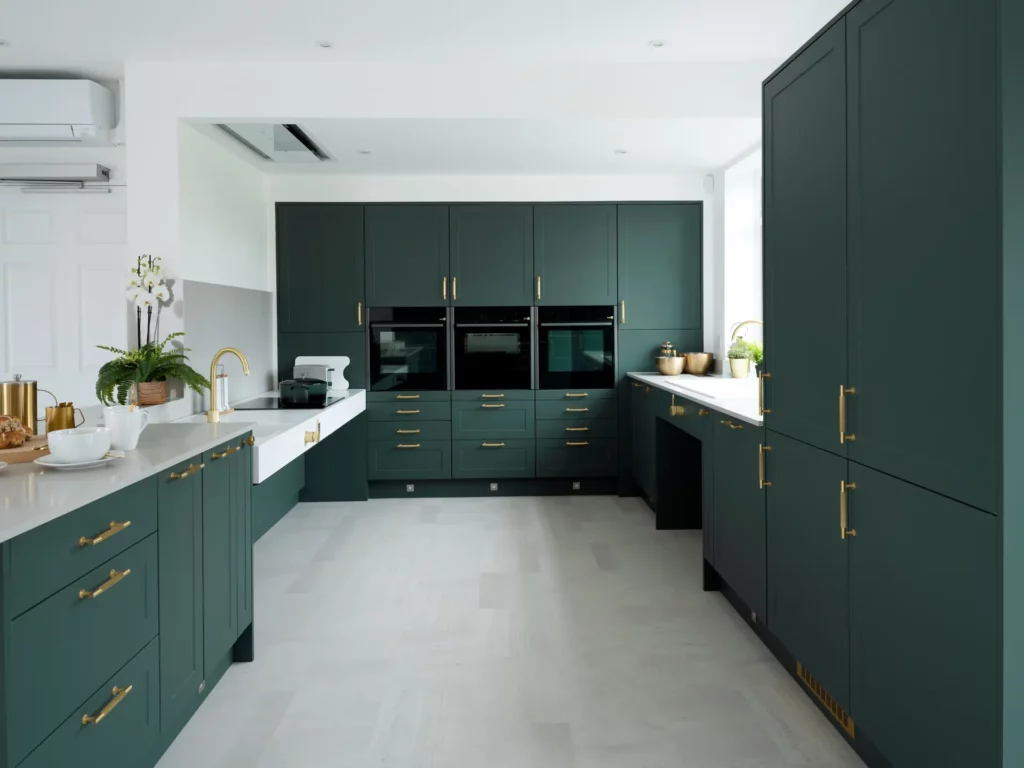
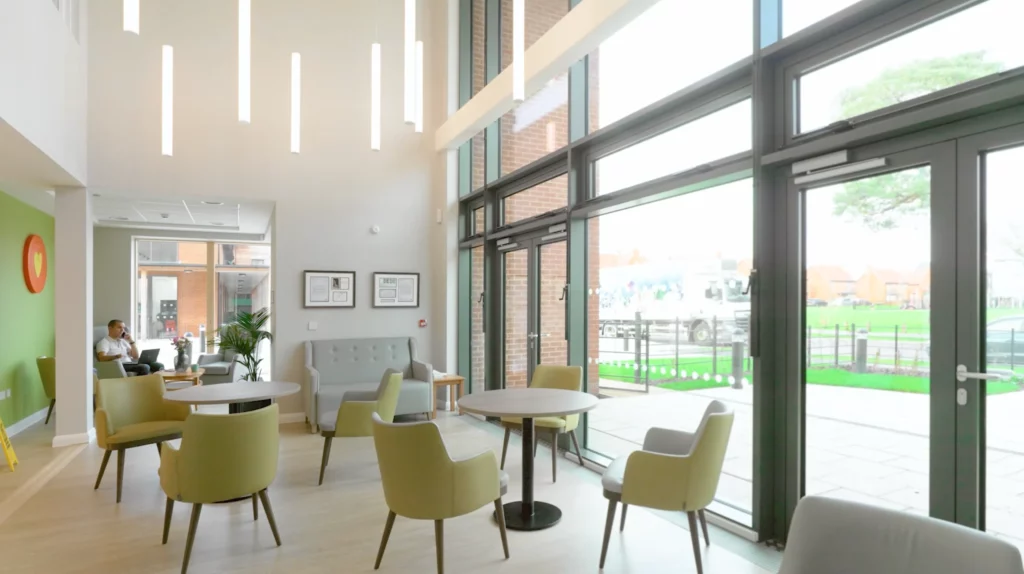
For instance, natural light is well-documented to improve mood and circadian rhythms. Incorporating large windows, skylights, and outdoor views into the design helps patients feel more grounded and less confined. Similarly, the use of calming colours, such as soft blues and greens, can foster a sense of tranquillity, which is essential for patients dealing with pain or emotional distress.
Moreover, clear navigation, such as signs with pictograms and easy-to-read fonts, reduces cognitive load and enhances confidence in navigating unfamiliar settings. This is particularly beneficial for individuals with dementia, autism, or anxiety disorders.
Creating comfort for caregivers
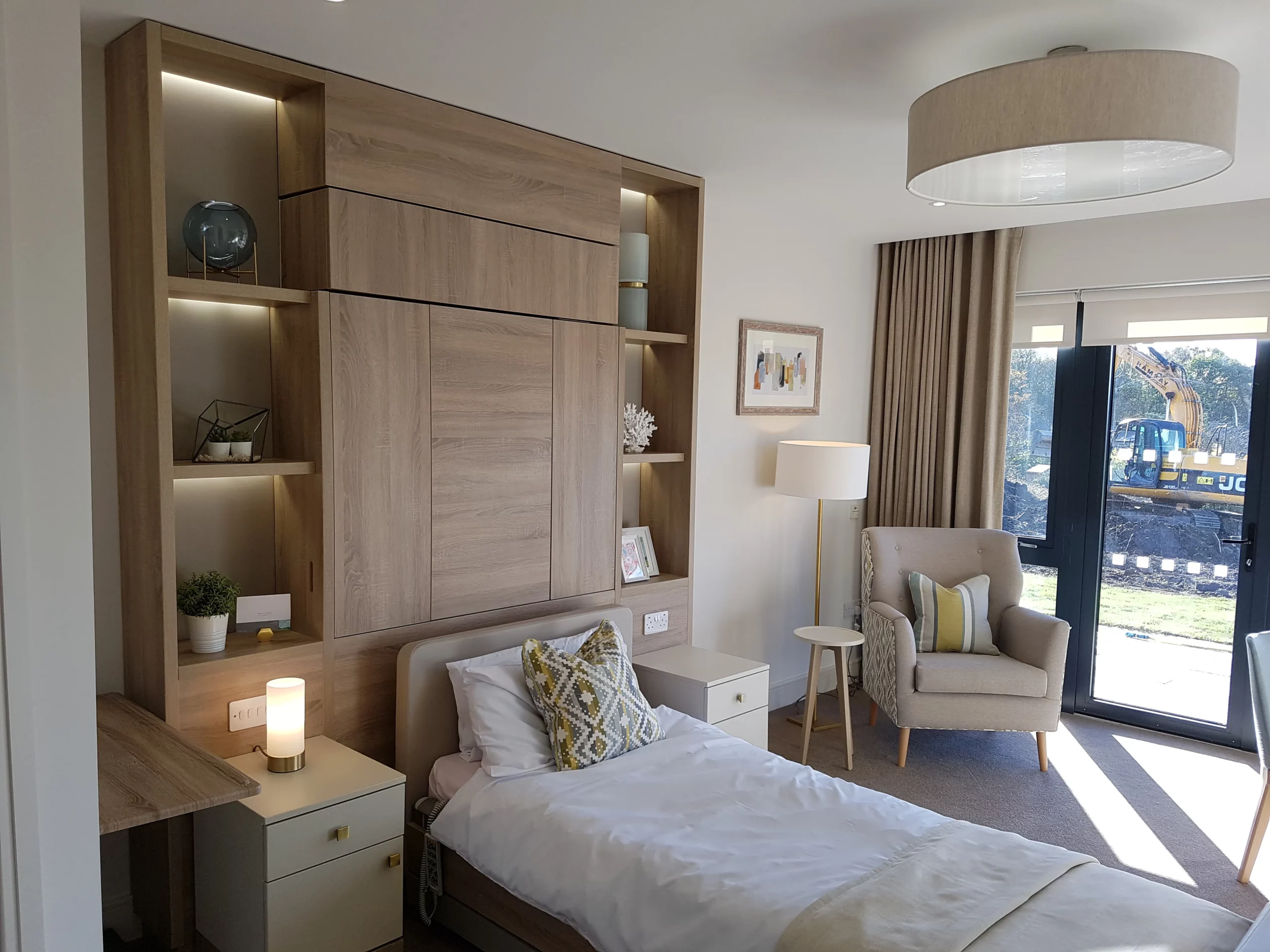
While much of the focus is often placed on patient well-being, accessible design psychology also recognises the vital role of caregivers. Whether it’s a nurse administering treatment or a family member supporting a loved one, caregivers are under constant emotional and physical strain. Spaces that are intuitive and functional can greatly improve their ability to provide care.
Dedicated rest areas, ergonomic workstations, and private consultation rooms all contribute to a more supportive environment. Even small details, like adjustable lighting or quiet zones, can make a substantial difference in reducing burnout among staff and family members alike. When caregivers are supported, the quality of care inevitably improves.
Inclusivity beyond disability
Accessible design is often associated with accommodating physical disabilities, but accessible design psychology takes a broader, more inclusive view. Mental health conditions, sensory sensitivities, and cognitive impairments must also be addressed through design. For example, quiet waiting rooms, sensory-friendly textures, and flexible furniture arrangements can create a more inclusive space for neurodivergent individuals.
In paediatric settings, playful and imaginative designs that still maintain calmness help reduce fear and increase engagement. For elderly patients, especially those with dementia, familiar cues, homely aesthetics, and simplified layouts can significantly improve orientation and reduce agitation.

Summary: designing with empathy
Ultimately, accessible design psychology is about designing with empathy. It’s about understanding that the built environment is not just a backdrop to our lives, but an active part in our well-being. From reducing noise levels in intensive care units to creating green spaces for relaxation, every design choice sends a psychological message to those who enter.
As awareness grows, we must advocate for environments that do more than meet regulations – they must genuinely support the diverse mental and emotional needs of their users. Architects, designers, healthcare professionals, and policymakers must collaborate to ensure that mental health is considered from the ground up.
In conclusion, the spaces we inhabit shape our experiences in profound ways. By embracing accessible design psychology, we can create environments that not only heal the body but also nurture the mind.
FAQs
What is accessible design psychology?
Accessible design psychology is the study of how inclusive, well-planned environments support mental and emotional well-being for all users, especially in healthcare settings.
How does design impact mental health?
Design affects mental health by influencing stress levels, comfort, and emotional responses through elements like lighting, colour, layout, and noise control.
Why is accessible design important in hospitals?
Accessible design in hospitals reduces anxiety, improves navigation, and creates a calming atmosphere for patients and caregivers, enhancing overall care quality.
Can accessible design help caregivers too?
Yes, well-designed spaces provide caregivers with rest areas, functional layouts, and reduced stress, supporting their physical and emotional well-being.
What are some features of psychologically accessible spaces?
Features include natural lighting, calming colours, clear signage, quiet zones, and flexible layouts that cater to diverse physical and cognitive needs.



Speak to The Experts
Need assistance with product enquiries, general enquiries, or product support? Our phonelines are open 9am - 5pm Monday to Friday. Or, fill out the form for a call back.