What should an SEN classroom look like?
1. Accessibility and Mobility
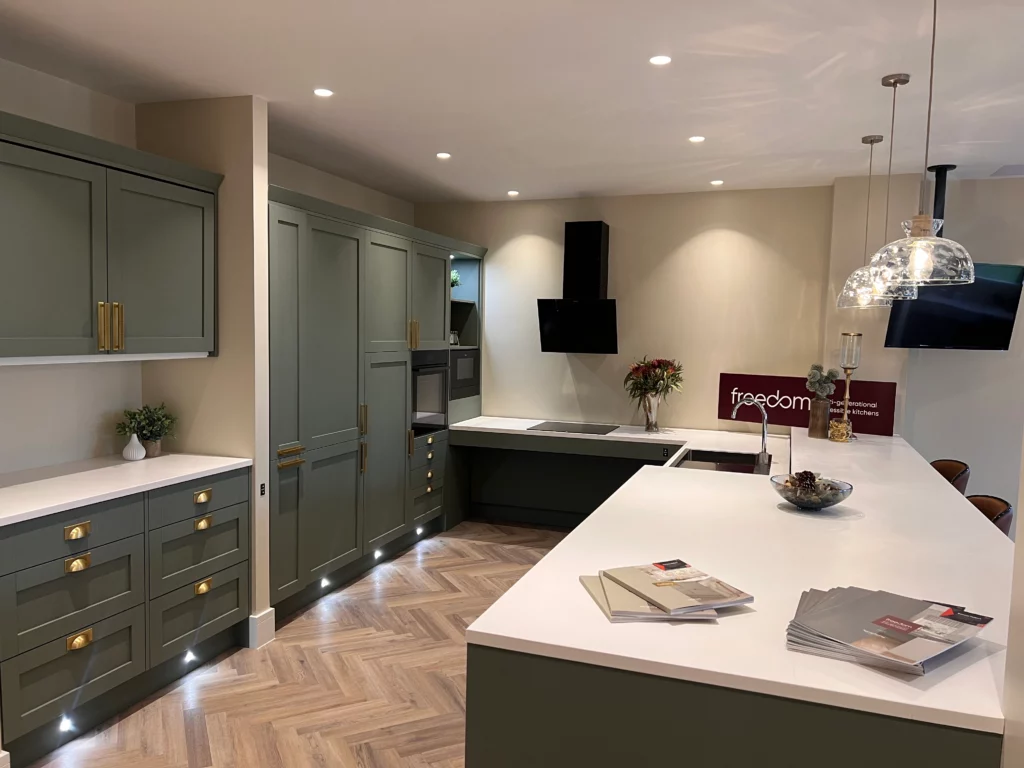
An SEN classroom must be easily accessible to all students, including those with mobility impairments. Wide doorways and corridors should be in place to accommodate wheelchairs and other mobility aids. Step-free access with ramps, automatic doors, and height-adjustable furniture ensures that all students can navigate the space comfortably.
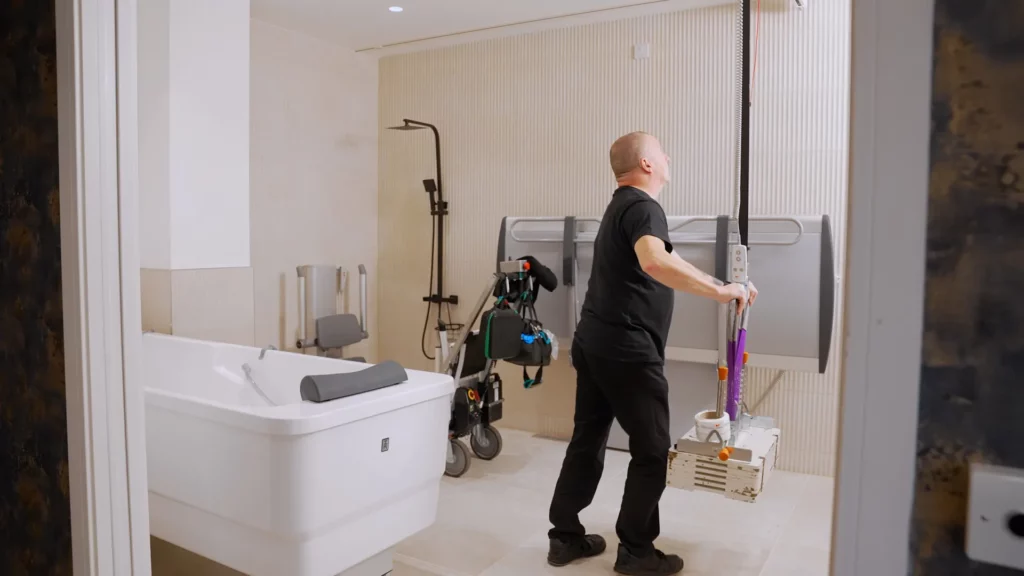
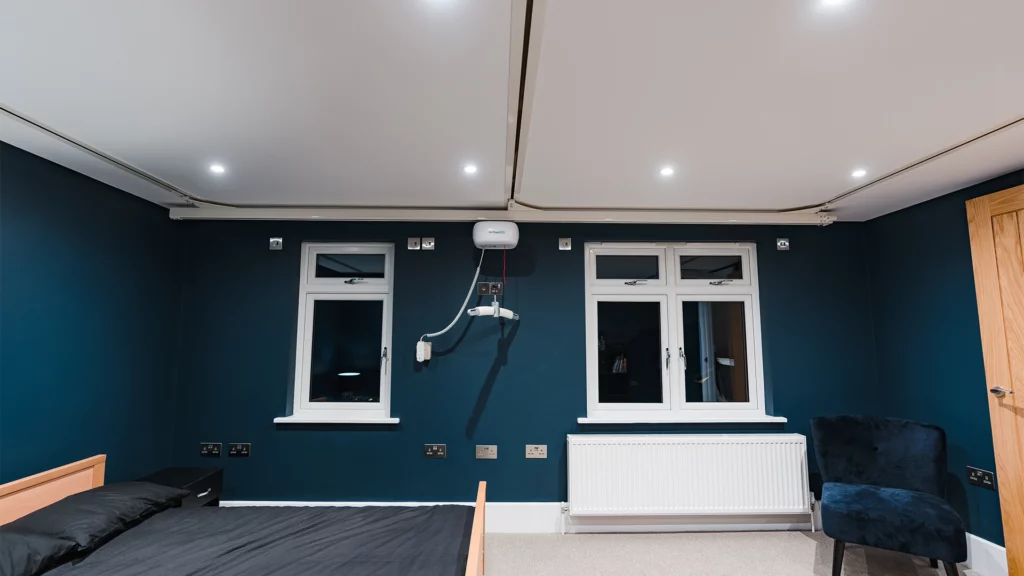
Flooring should be non-slip, and desks and chairs should be designed to support students with posture and movement difficulties. Additionally, accessible toilets should be located nearby to cater to students’ needs. More specialist equipment like patient lifting hoists should also be considered for students to move around the room safely.
2. A Sensory-Friendly Environment
Many SEN students experience sensory processing challenges, making it crucial to create an environment that minimises sensory overload while providing appropriate stimulation. To achieve this:
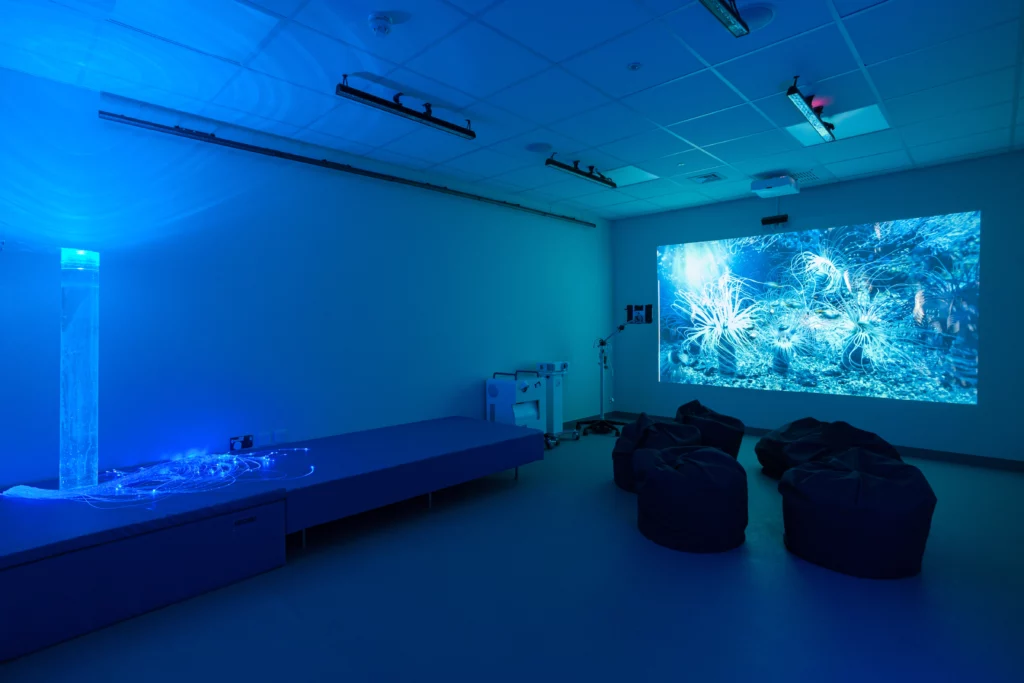
- Lighting: Natural light is beneficial, but it should be supplemented with dimmable or soft artificial lighting to avoid harsh glare.
- Acoustics: SEN classrooms should use soundproofing materials, such as carpets, acoustic panels, and curtains, to reduce noise disruptions.
- Colours & Textures: A calm colour palette, such as soft blues, greens, and neutrals, can create a soothing atmosphere. Avoiding overly bright or patterned walls helps prevent distractions.
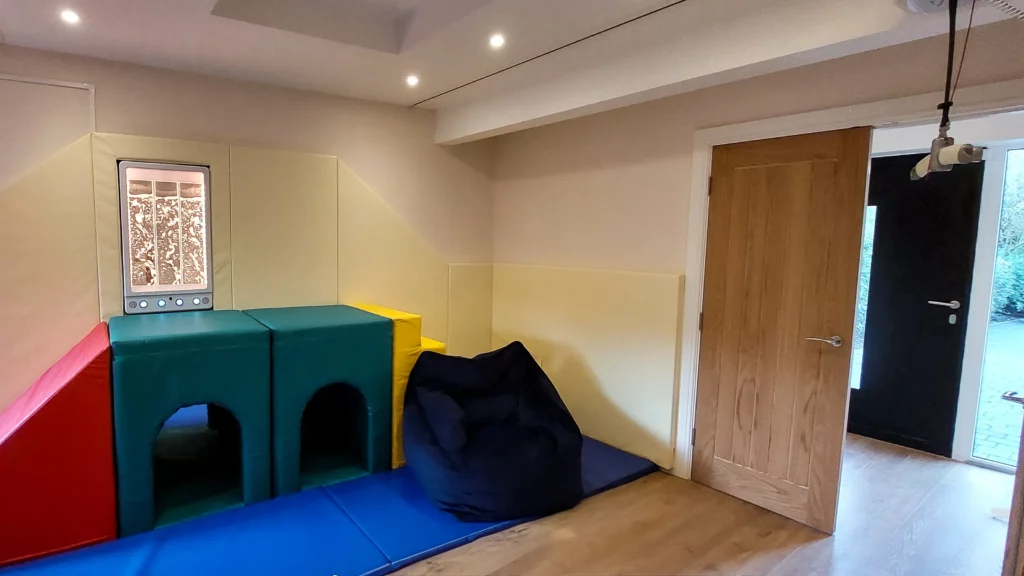
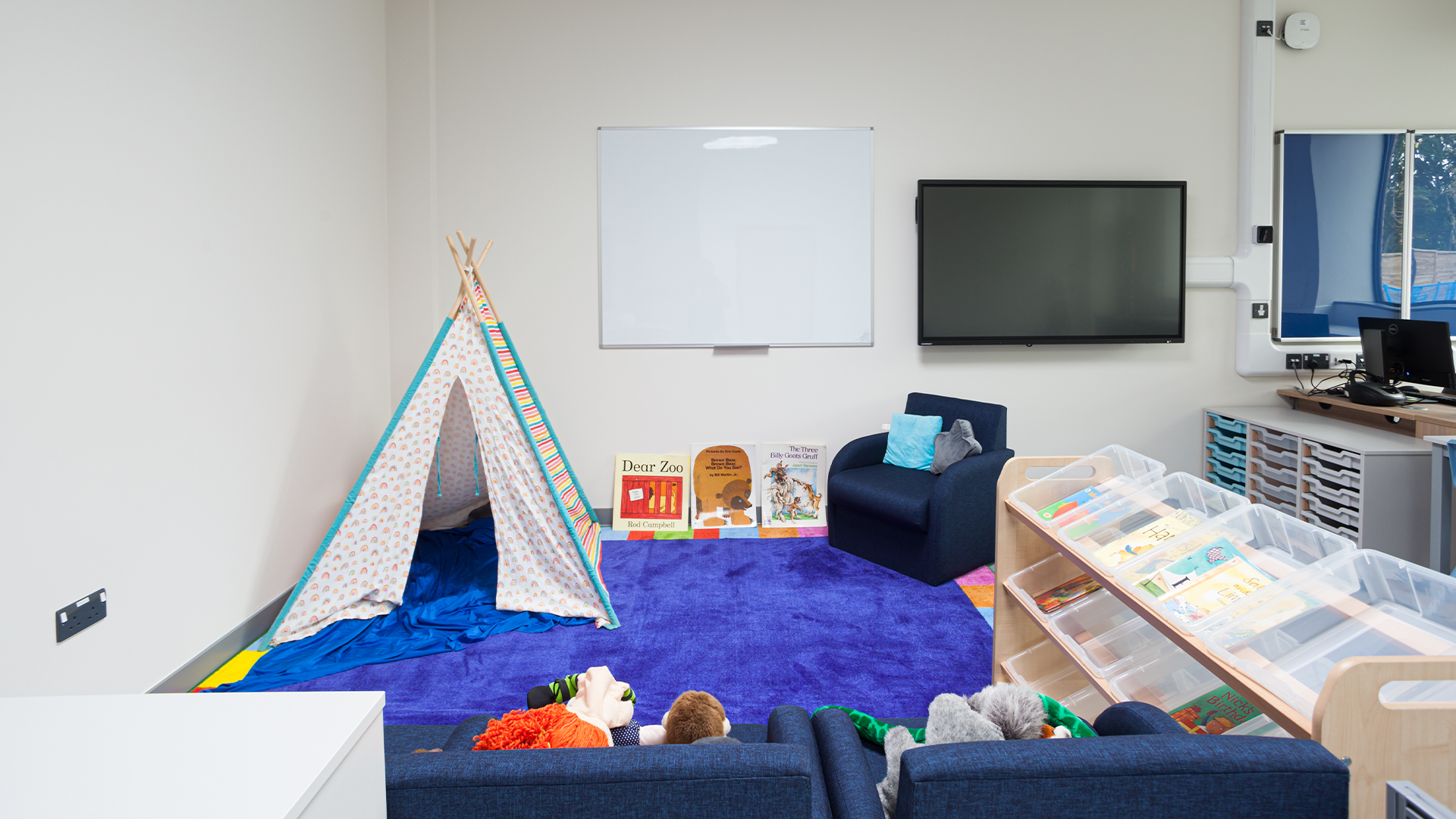
- Sensory Zones: Designating quiet corners with sensory-friendly seating, weighted blankets, or noise-cancelling headphones allows students to regulate their sensory input.
3. Flexible and Adaptable Learning Spaces
A well-structured yet flexible classroom layout supports different learning styles. Group tables encourage collaboration, while individual workstations provide quiet areas for focused tasks.
Modular furniture that can be rearranged ensures adaptability to various teaching methods and activities. Breakout areas or calm zones are essential for students who need a space to self-regulate if they feel overwhelmed.
4. Technological Integration
Technology plays a vital role in supporting SEN students, providing both accessibility and engagement. A well-equipped SEN classroom should include:
- Interactive whiteboards: Engaging, visual learning tools that cater to different abilities.
- Augmentative and Alternative Communication (AAC) devices: For non-verbal students or those with communication difficulties.
- Text-to-speech and speech-to-text software: Assisting students with dyslexia or other learning disabilities.
- Hearing loops and visual aids: Supporting students with auditory or visual impairments.
5. Safety and Security
Safety is a top priority in an SEN classroom. The space should be designed with clear, visual signage to support students with processing difficulties. Emergency exits should be easily accessible and well-marked.
Secure storage is essential for keeping potentially hazardous materials, such as sharp objects or medical equipment, out of reach. Thoughtful layout planning should prevent wandering, particularly for students with autism or those who may be prone to leaving the classroom unexpectedly.
6. Emotional Wellbeing and Comfort
Emotional support is as important as physical accessibility. An SEN classroom should promote a sense of security and belonging through positive reinforcement and personalised learning approaches.
Comfortable, ergonomic seating, soft furnishings, and a welcoming atmosphere contribute to students feeling at ease. Visual schedules, clear routines, and structured activities help reduce anxiety and provide predictability.
7. Staff Support Areas
Teachers and support staff also require appropriate spaces to plan and collaborate effectively. Having dedicated areas for meetings, lesson preparation, and confidential discussions ensures that educators can provide the best possible support for their students. Storage solutions should be available for teaching aids, sensory tools, and learning materials to keep the classroom organised and clutter-free.
Conclusion
So, what should an SEN classroom look like? It should be a well-planned space that prioritises accessibility, sensory considerations, flexibility, technology, safety, and emotional well-being. By incorporating these elements, schools can create an inclusive environment where SEN students can thrive, learn, and reach their full potential. Investing in SEN-friendly classrooms enhances students’ educational experience and supports teachers and caregivers in delivering the best possible learning outcomes.
FAQs for SEN Classroom Design
What accessibility features should an SEN classroom have?
SEN classrooms need wide doorways, step-free access, height-adjustable furniture, and non-slip flooring to support students with mobility challenges.
How can classrooms support students with sensory sensitivities?
Soft lighting, soundproofing materials, calming colors, and designated sensory zones help reduce sensory overload and create a comfortable learning environment.
Why is flexible classroom design important for SEN students?
Modular furniture, breakout spaces, and adaptable layouts allow for personalized learning experiences and better student engagement.
What technology enhances learning in SEN classrooms?
Interactive whiteboards, AAC devices, text-to-speech software, and hearing loops improve accessibility and engagement for diverse learning needs.
How can SEN classrooms ensure safety?
Clear signage, well-marked emergency exits, secure storage, and structured layouts help prevent wandering and keep students safe.
How does emotional well-being impact SEN learning?
Comfortable seating, structured routines, and positive reinforcement foster security and reduce anxiety, allowing students to thrive.
How can schools support SEN teachers and staff?
Dedicated planning spaces, storage solutions, and collaborative areas help educators provide tailored support for students.