What is the Best Classroom Design for Students With Autism?
Structured Layout and Organisation
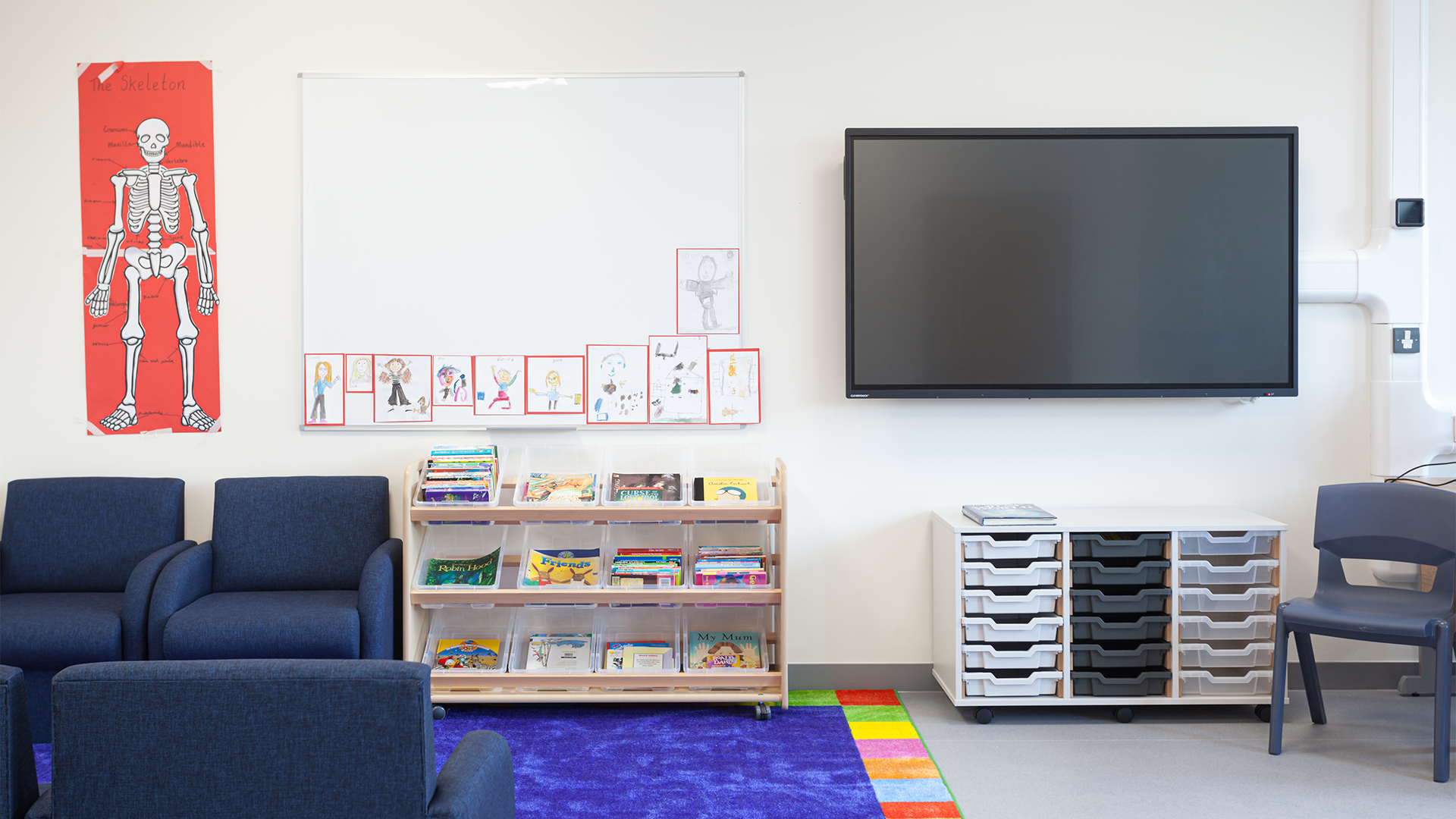
Students with autism often benefit from a well-structured environment with clear physical boundaries. Using furniture, visual markers, and designated zones for different activities can help create an organised and predictable setting. Specialist equipment should be incorporated if needed to cater to students’ needs.
Clearly defined areas for reading, group work, independent study, and sensory breaks can help reduce anxiety and improve focus. Labelling these areas with visual supports, such as picture cards or symbols, can further reinforce their purpose.
Minimising Sensory Overload
Many autistic students have heightened sensory sensitivities, which can lead to discomfort and distraction. To create a sensory-friendly environment, consider using neutral colours, soft lighting, and noise-reducing materials such as carpets, curtains, and acoustic panels.
Reducing clutter and limiting excessive visual stimuli, such as bright posters and unnecessary decorations, can enhance concentration and comfort. Where possible, allow students to personalise their workspace to make them feel more at ease.
Flexible Seating and Workspaces
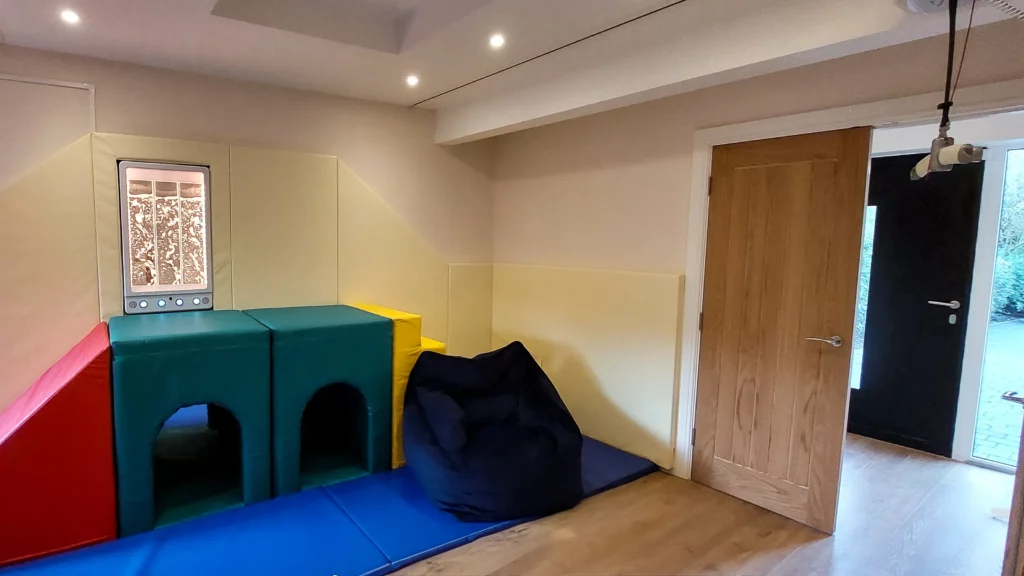
Providing a variety of seating options allows students to choose what best suits their comfort and learning style. Options such as stability balls, wobble stools, standing desks, and bean bag chairs can accommodate different sensory preferences and promote better engagement.
Some children with autism may require movement breaks, so incorporating flexible seating arrangements and movement-friendly areas, such as a small exercise zone or a quiet stretching corner, can be beneficial.
Visual Supports and Schedules
Visual aids, such as schedules, social stories, step-by-step instructions, and picture communication symbols, are invaluable tools in classroom design for autism. These supports help students understand routines, transitions, and expectations, promoting independence and reducing frustration.
A structured visual timetable displayed in a prominent location can provide reassurance and guidance throughout the school day. Additionally, colour-coded materials and labelled storage can support organisation and accessibility.
Calm and Safe Zones
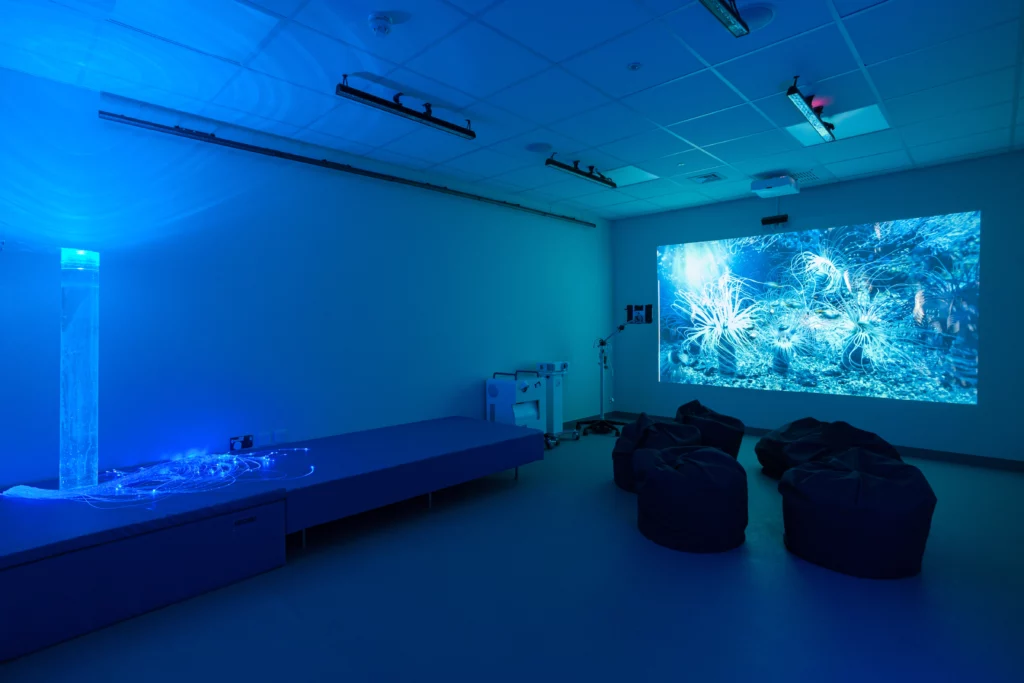
A designated quiet space where students can retreat when feeling overwhelmed is crucial. This area should be equipped with calming tools such as weighted blankets, noise-cancelling headphones, or fidget items to help regulate emotions.
Soft furnishings, dim lighting, and relaxing sensory activities, such as lava lamps or textured objects, can contribute to a soothing atmosphere. It is important that this space remains a judgement-free zone where students can self-regulate without fear of discipline.
Consistent Routine and Clear Communication
Consistency is key for many autistic students. A classroom design for autism should incorporate predictable routines and clear communication methods, such as visual schedules, first-then boards, and assistive communication devices.
Teachers should use simple, direct language and provide instructions in multiple formats (verbal, written, and visual) to accommodate different communication styles. Regular check-ins and a structured daily schedule can provide additional reassurance to students who rely on routine.
Use of Assistive Technology
Technology can be a powerful tool in an autism-friendly classroom. Speech-to-text applications, communication apps, and interactive whiteboards can support learning and communication for students with different needs.
Noise-reducing headphones and sensory-friendly keyboards can also improve comfort for students who are sensitive to sound or touch.
Conclusion
The best classroom design for autism prioritises structure, sensory considerations, flexibility, and clear communication. By implementing these elements, educators can create a learning environment that meets the unique needs of autistic students, encouraging their academic and social growth. Thoughtful planning and ongoing adjustments ensure that every student has the opportunity to succeed in a space that supports their strengths and challenges.
FAQs for Autism-Friendly Classroom Design
What makes a classroom autism-friendly?
An autism-friendly classroom includes structured layouts, sensory-friendly environments, visual supports, and flexible seating to accommodate diverse learning needs.
How can sensory overload be minimised in classrooms?
Using neutral colours, soft lighting, noise-reducing materials, and clutter-free spaces helps reduce sensory distractions and improve focus.
Why is flexible seating important for autistic students?
Providing options like stability balls, wobble stools, and standing desks allows students to choose seating that supports their comfort and engagement.
How do visual supports help autistic students?
Visual schedules, social stories, and picture communication symbols provide structure, reduce anxiety, and enhance understanding of routines and expectations.
What is the role of calm and safe zones in classrooms?
Quiet spaces with weighted blankets, noise-cancelling headphones, and sensory tools help students self-regulate and manage emotions effectively.
How can teachers ensure clear communication with autistic students?
Using simple, direct language, visual aids, and assistive communication devices helps students process information and follow instructions more easily.
What assistive technology supports autistic students?
Speech-to-text apps, communication tools, interactive whiteboards, and sensory-friendly keyboards enhance learning and accessibility.