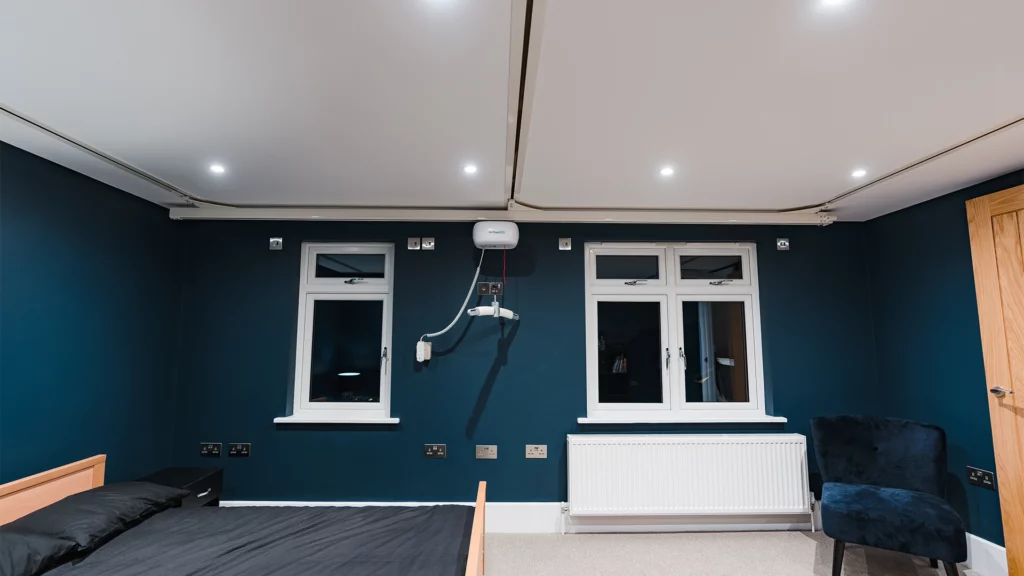
What is a hygiene room?
Why Are Hygiene Rooms Important?
Hygiene is a basic human right, and all students, including those with complex care needs, must have the opportunity to maintain their personal cleanliness and dignity. In many schools, accessible toilets are designed to accommodate wheelchair users or those with mobility issues, but may not provide enough space or equipment to address the more complex needs of some students. Standard toilets often lack sufficient room for carers to assist or for the necessary equipment to be used, making hygiene care challenging and uncomfortable.
This is where hygiene rooms come in. By creating a designated space equipped with the right tools, a hygiene room offers a safe environment where care providers can assist students with personal hygiene tasks, reducing the risk of injury, discomfort, and embarrassment. For students, this dedicated space provides an area where they can receive care in a way that promotes their independence and privacy.
What Are the Legal Requirements for Hygiene Rooms?
In the UK, specific guidelines are in place to ensure that schools meet the needs of students with disabilities. Regulations such as Building Bulletin 103 and Building Bulletin 104 provide detailed requirements for hygiene rooms, emphasising that they must be accessible and equipped to support students with various care needs.
For example, these guidelines specify that hygiene rooms must include certain features, such as:
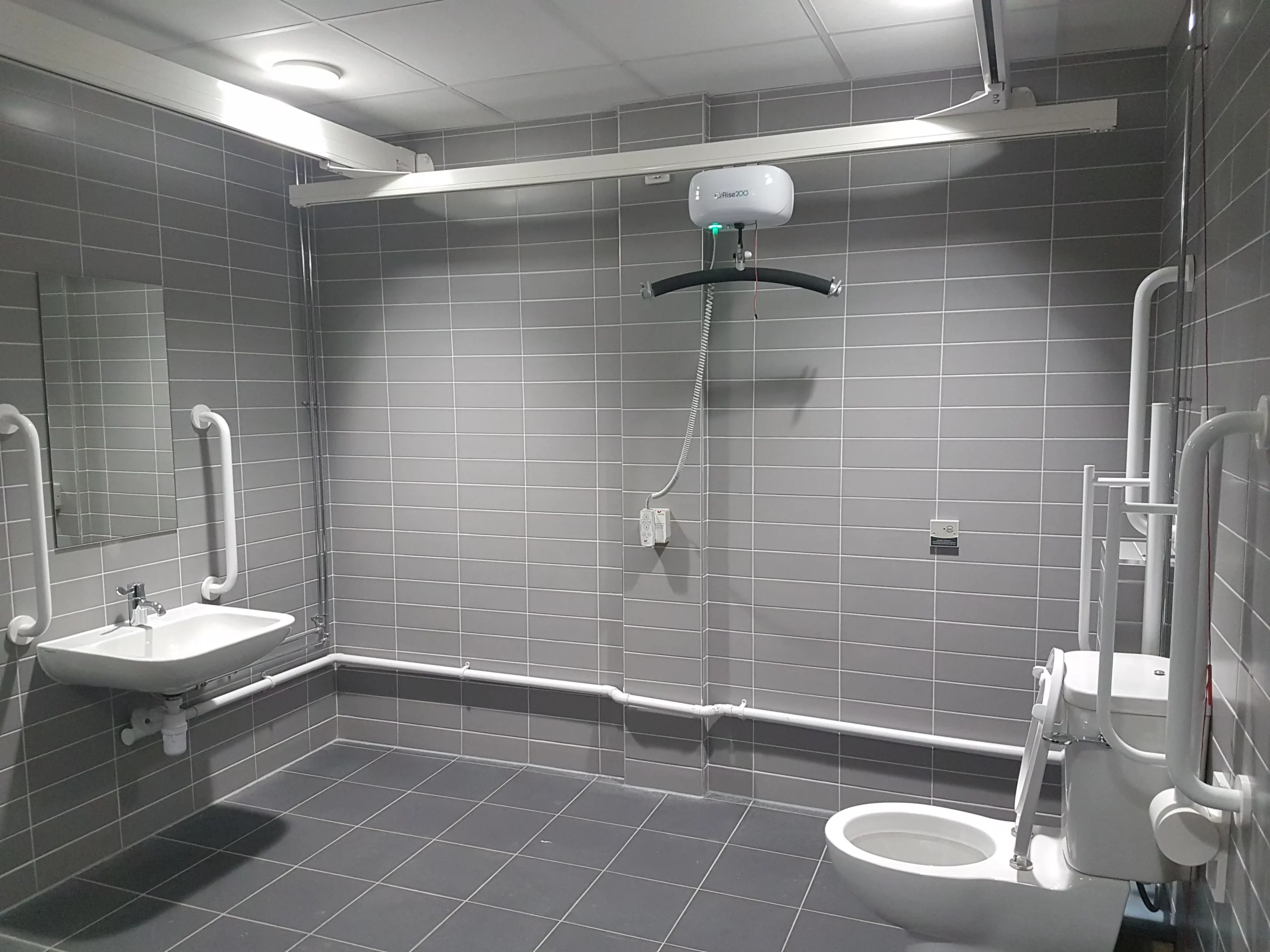
- A fixed or mobile hoist for transferring students safely
- Sufficient space for a carer to assist students comfortably
- An accessible toilet, changing bed, and hand-washing facilities
These legal requirements aim to ensure that hygiene rooms provide students with the tools they need to manage their personal hygiene in a safe, supportive, and private environment.
What Size Does a Hygiene Room Need to Be?
The size of a hygiene room will depend on the specific needs of the students it is intended to serve. The key consideration is ensuring that there is enough room for the necessary equipment and for carers to assist students in a safe and dignified manner.
- Primary Schools: Hygiene rooms in primary schools typically need to be at least 9m². This space allows for a changing bed, accessible toilet, and enough room for a carer to assist a child comfortably.
- Secondary Schools: Secondary schools generally require a slightly larger space, around 12m², to accommodate an accessible shower, changing trolley, and toilet facilities.
- SEND Schools: In schools catering specifically to students with Special Educational Needs and Disabilities, hygiene rooms may need to be between 15m² and 20m². The extra space ensures that multiple carers can assist simultaneously, and that there is room for specialised equipment like adjustable hoists, larger changing areas, and extra storage for medical supplies.
It’s important to consult with healthcare professionals and architects when designing a hygiene room to ensure that it meets both the space and equipment requirements for your students’ specific needs.
What Equipment Is Needed in a Hygiene Room?
To create a fully functional and safe hygiene room, certain equipment must be included. This equipment is designed to ensure the comfort, safety, and dignity of the students, while also making the care process easier for staff and carers. Some of the key pieces of equipment commonly found in hygiene rooms include:
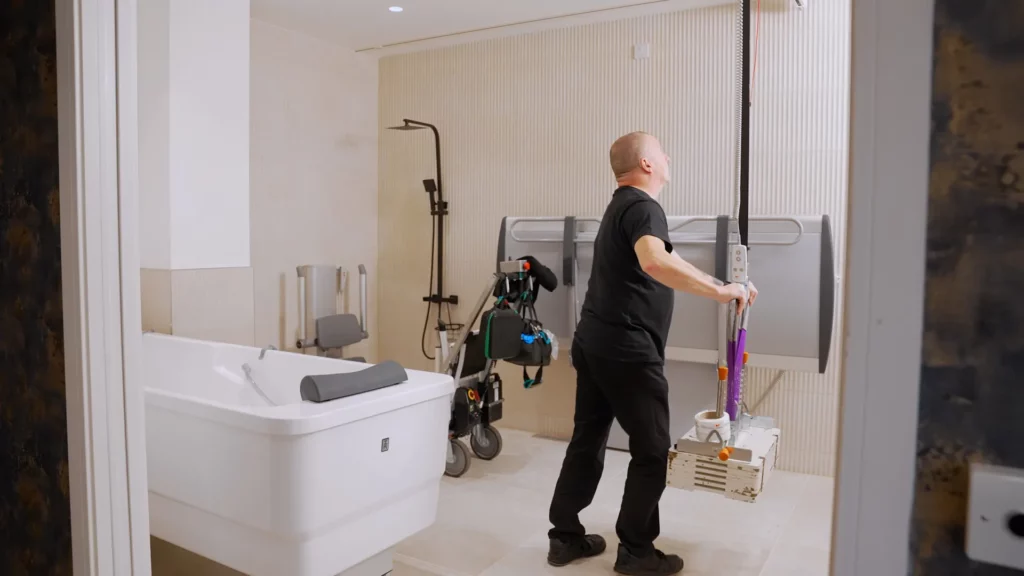
- Overhead hoist systems: Crucial for transferring students from one area to another, such as from a wheelchair to a changing bed or toilet. Hoists reduce the risk of injury for both the student and the carer.
- Height-adjustable changing benches: Designed to make it easier for students to be changed or dressed while ensuring comfort and safety. Adjustable height features also ensure carers can work without straining their backs.
- Peninsular toilet: Provides easy access for students in wheelchairs, allowing carers to assist from both sides.
- Grab rails and safety features: Offer support and help students maintain balance while standing or transferring.
- Shower facilities: In some settings, especially in secondary schools or SEND schools, hygiene rooms may also include a shower area to cater to students who require assistance with bathing.
- Privacy screens: Essential for providing students with privacy during care, ensuring they feel respected and comfortable.
Where Should a Hygiene Room Be Located?
The location of a hygiene room is critical for its effectiveness. Ideally, hygiene rooms should be centrally located in schools so they are easily accessible to all students who need them.
In schools where space is limited, a modular hygiene room is a practical solution. These prefabricated units can be installed outside the main building or in underutilised spaces, offering a flexible and cost-effective option for meeting hygiene care requirements without taking up valuable classroom space.
Conclusion
So, what is a hygiene room? It is a vital facility within a school or care setting that provides students with a safe, private, and accessible space for personal hygiene care. With the right design, equipment, and care, hygiene rooms not only ensure that students maintain their dignity but also promote independence, health, and well-being.
By meeting legal requirements and focusing on the specific needs of students, schools can create a supportive and inclusive environment where every student receives the care they need to thrive.
FAQs for Hygiene Rooms in Schools
What is a hygiene room in a school?
A hygiene room is a dedicated space equipped with accessible toilets, changing benches, and hoist systems to support students with additional care needs.
What legal requirements apply to hygiene rooms in UK schools?
Schools must follow regulations like Building Bulletin 103 and Building Bulletin 104 to ensure hygiene rooms are fully accessible.
What equipment should a hygiene room have?
Essential features include height-adjustable changing benches, overhead hoist systems, peninsular toilets, grab rails, shower facilities, and privacy screens.
Where should a hygiene room be located?
Ideally, hygiene rooms should be centrally located with easy access from classrooms, or installed as modular units in underutilised spaces.
How can schools maintain hygiene and infection control?
Antimicrobial surfaces, touch-free dispensers, proper ventilation, and regular cleaning schedules help maintain hygiene standards.