How Smart Homes Are Revolutionising Independent Living for Disabled Individuals
Living independently is more than a goal; it’s a fundamental right. With recent developments in smart home accessibility, homes have become environments that enhance autonomy, promote safety, and boost confidence for disabled individuals. From voice-activated systems to accessible kitchen designs and patient care equipment, technology is breaking down barriers with smart design and efficiency.
What Is Smart Home Accessibility?
At its heart, smart home accessibility describes the integration of connected devices and intelligent solutions designed to make everyday home tasks easier and more inclusive. These advancements provide intuitive control (through voice commands, automation, adjustable settings and remote apps), empowering those with mobility, cognitive or sensory impairments to manage lighting, security, climate, cooking, and more under their own control.
Latest Innovations in Smart Home Accessibility
1. Accessible Kitchens Tailored for Independence
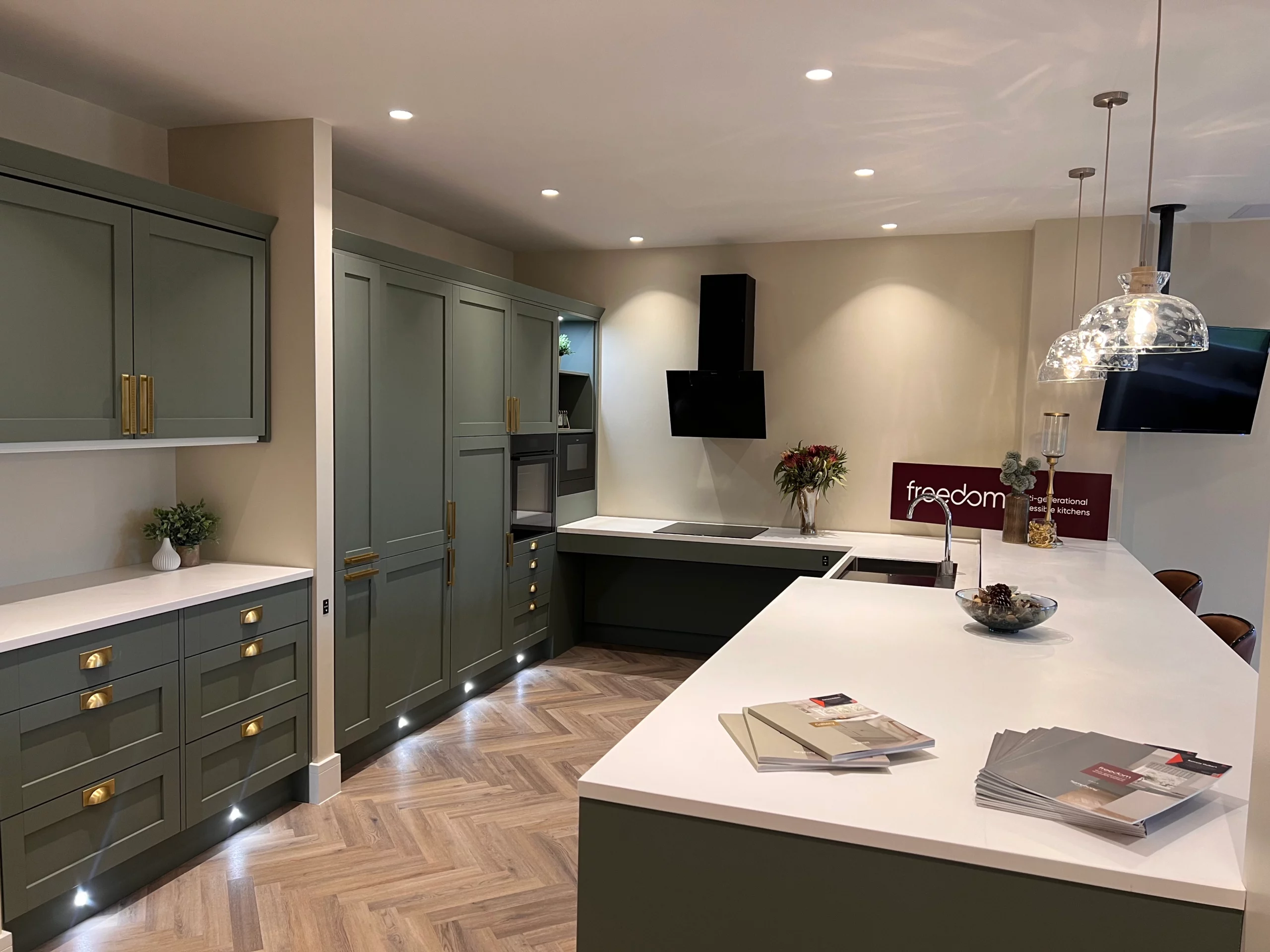
At the forefront of smart home accessibility are meticulously designed kitchens. Innova offers accessible kitchen design and installation services, creating stylish, inclusive kitchens featuring adjustable worktops, pull-out units, and ergonomic layouts that empower autonomy without sacrificing aesthetics.
These kitchens also integrate smart features such as electric rise-and-fall worktops, app- or voice-controlled lighting and extractor hoods, meaning daily tasks can be managed hands-free.
2. Smart Lifting & Hoisting Solutions
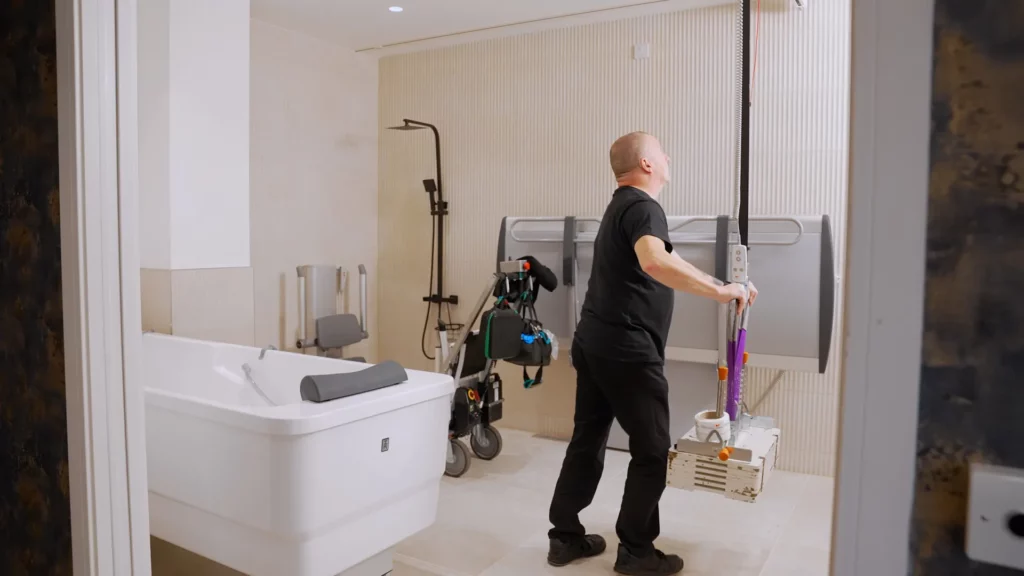
Transfers can be a major challenge, yet specific solutions dramatically enhance independence. The Smart 150 Mobile Hoist, a compact and foldable lifting device, supports up to 150 kg and includes features like padded leg supports and easy-to-use controls; perfect for smooth, safe transfers around the home.
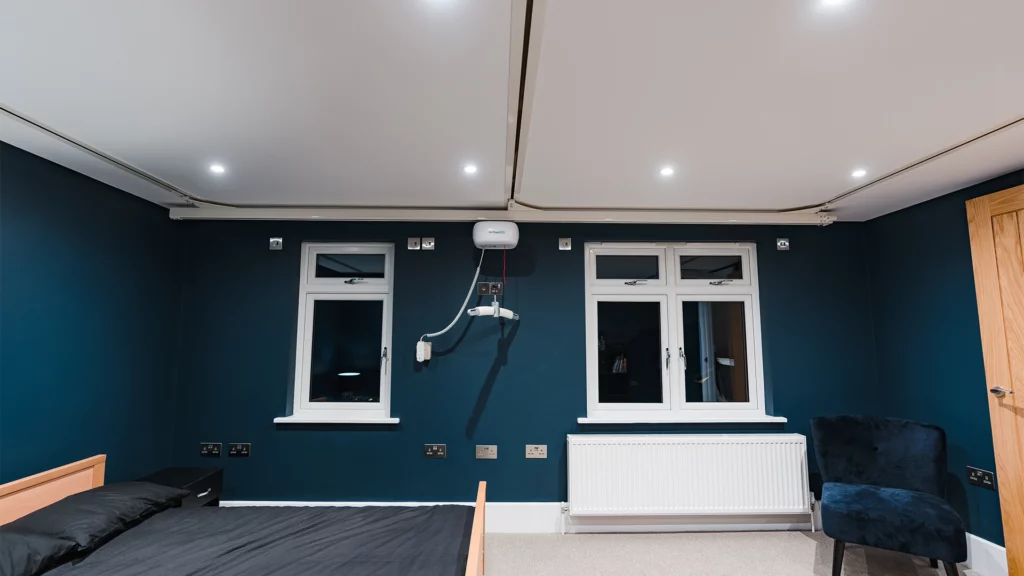
For more permanent support, hoisting systems such as discreet ceiling tracks or the Integralift hidden hoist are options that combine functionality with home-friendly design.
3. Intelligent Mobility Adaptations
The modern smart home landscape also includes elements such as hands-free taps, voice-activated lights, and automated doors. When these features are combined with Innova’s physical adaptations, like accessible kitchens or hoist systems, they form a cohesive and supportive environment built around smart home accessibility.
Advantages of Smart Home Accessibility
- Enhanced independence: Users manage daily routines themselves with minimal help.
- Improved safety: Features like smart lighting, induction hobs, and electrically adjustable surfaces reduce risks.
- Comfort and dignity: Adaptive solutions, combined with sleek design, ensure environments are both comfortable and aesthetically pleasing.
- Less reliance on carers: Smart systems reduce the need for constant supervision, enabling more autonomy.
The Future of Independent Living
As technology evolves, homes will become smarter and more intuitive. Future systems will learn from routines, adjust environments proactively, and integrate seamlessly with healthcare networks. When designs are inclusive from the start, devices like smart appliances, adjustable worktops, and responsive lighting become not just helpful but transformative.
With products like ours, including our accessible kitchens service and domestic hoisting systems, these environments are already within reach, setting new standards for independence and accessibility in the home.
FAQs on Smart Home Accessibility
1. What does smart home accessibility mean?
It refers to smart technologies, like voice-controlled systems, adjustable kitchen fittings, and automated appliances, designed to help disabled people manage home tasks more independently.
2. Which Innova products support smart home accessibility?
Key products include our accessible kitchens and our hoisting solutions provide independence without compromising on aesthetics and design.
3. How do accessible kitchens enhance independence?
They feature adjustable worktops, pull-out storage, and smart-controlled appliances that users can reach and operate without assistance, fostering autonomy and safety.
4. Are mobile hoists easy to use at home?
Yes. For example, the Smart 150 Mobile Hoist is lightweight, foldable, battery-operated, and ergonomically designed, making it highly practical for home environments.
5. Can smart home features be integrated with other accessibility adaptations?
Absolutely. Combining smart lighting, voice control, adjustable furnishings, and hoisting systems creates an environment that meets both cognitive and physical needs, forming a comprehensive smart home accessibility ecosystem.