Modular Construction & Prefab Solutions for Changing Places and Hygiene Rooms
Accessible hygiene facilities are essential for people with complex disabilities, yet many venues still lack fully compliant Changing Places toilets. Traditional builds can be expensive, slow and disruptive, which is why modular construction is becoming an increasingly popular option.
By using prefabricated units built off-site, organisations can provide high-quality, regulation-compliant facilities with far less hassle. This article explains what modular construction means in this context, the benefits it brings, a real case example and a checklist to help guide planning.
What Modular Means
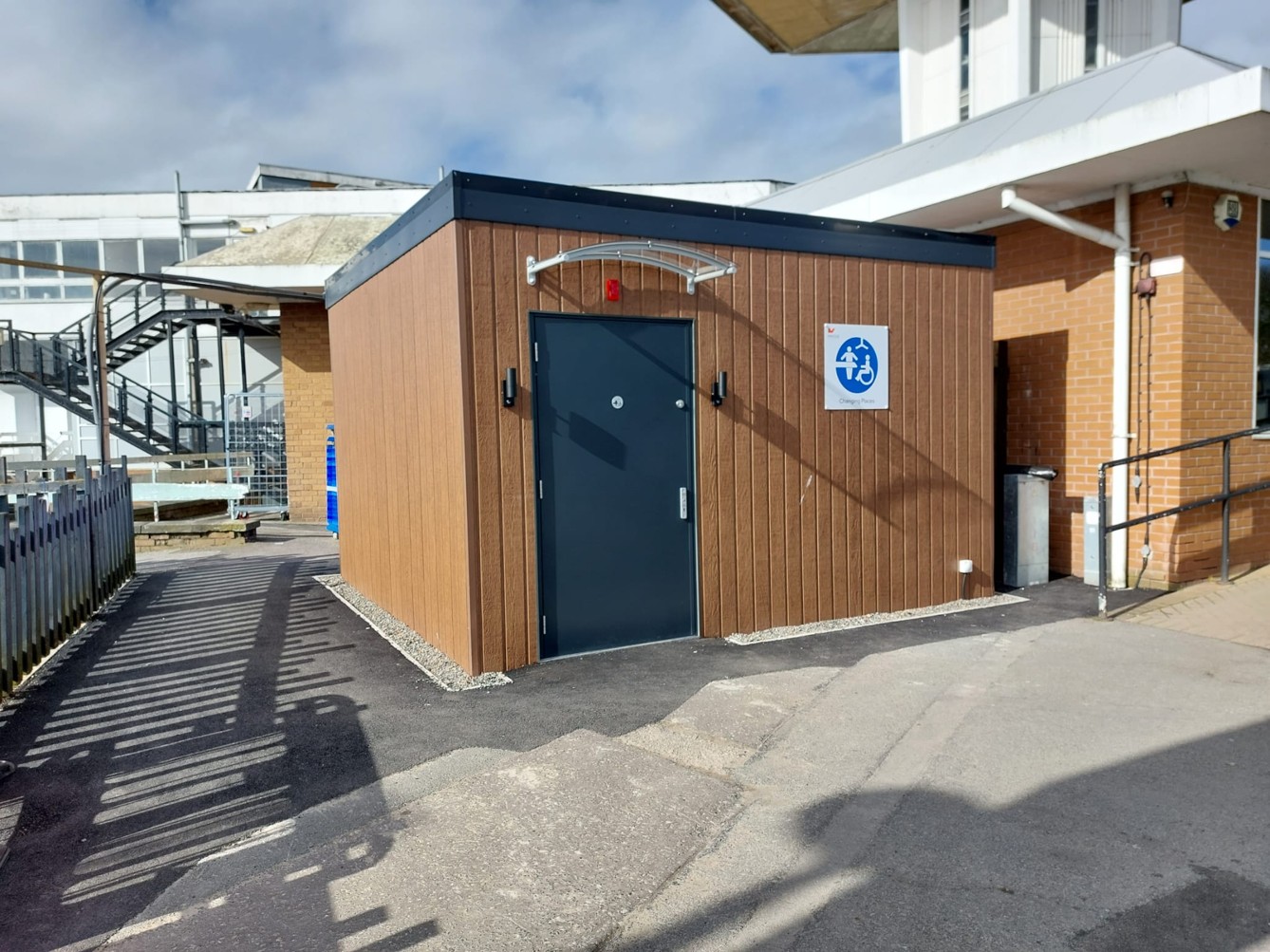
In the context of Changing Places and hygiene rooms, modular units are prefabricated structures built off-site in a controlled environment. They are constructed, fitted out and tested before being delivered to the site as complete pods. Once a suitable base and the essential services are prepared, the unit can be craned into position and connected.
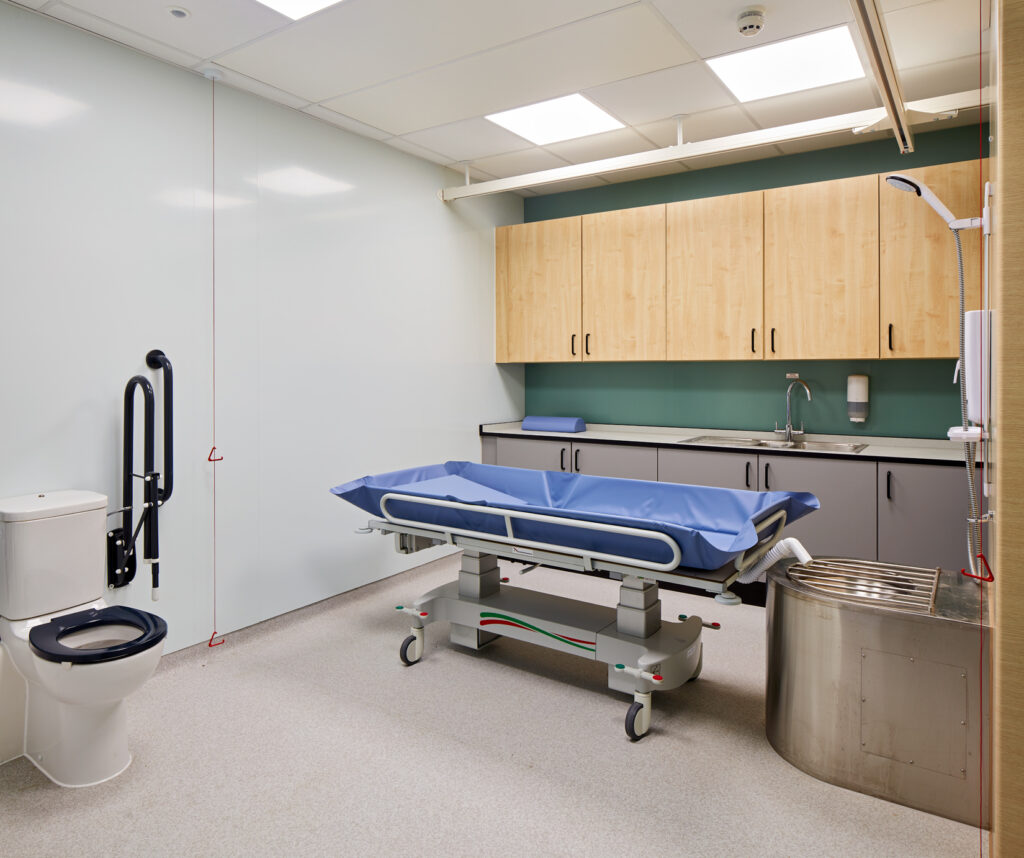
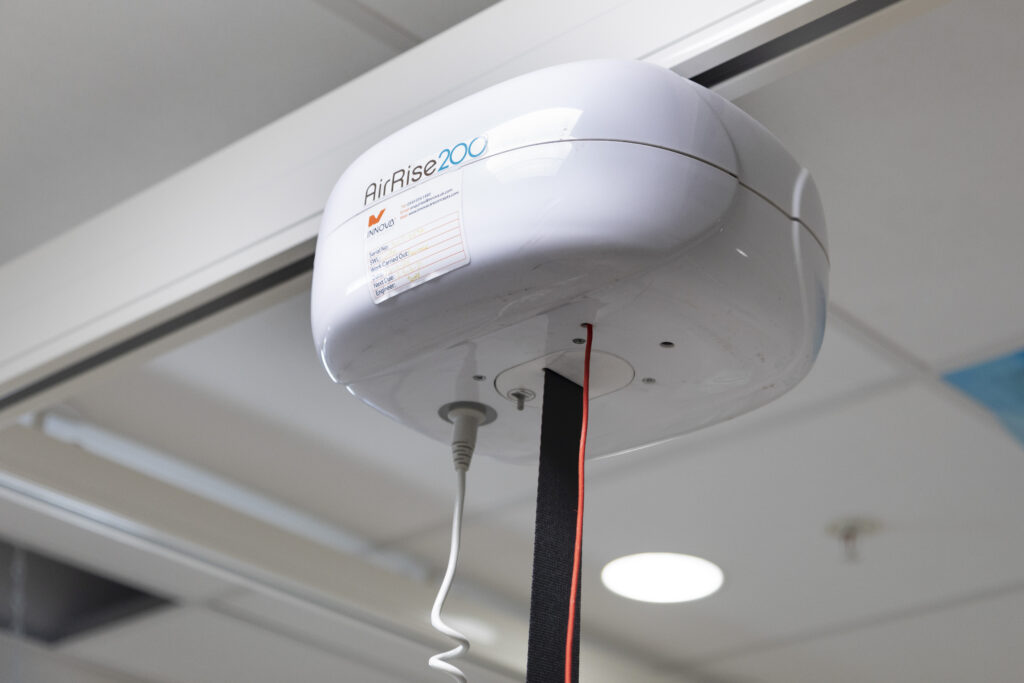
These are not temporary structures. Modular Changing Places units still meet the full requirements of standards such as BS 8300. They include all the necessary equipment such as overhead hoists, height-adjustable changing benches, peninsular toilets with manoeuvring space, accessible washbasins, grab rails and privacy screens. Because they are factory-built, quality control is consistent, and they are not affected by weather or delays on-site.
Benefits: Time, Costs and Disruption
Faster Installation
A major advantage of modular solutions is speed. Once the groundworks and utilities are prepared, installation can often take only a few hours. This is far quicker than a traditional in-building conversion, which may involve structural work, long lead times and complex scheduling.
Reduced Costs and Greater Predictability
Modular construction removes many variables that add cost to traditional builds. Labour time is reduced, delays are minimised, and material use is more efficient. Prefabrication also helps achieve predictable budgets, since much of the work is carried out in controlled factory conditions. This makes modular facilities particularly appealing for organisations working within tight financial constraints.
Minimal Disruption and Greater Flexibility
Because most of the work happens off-site, disruption to visitors, customers or staff is greatly reduced. There is little noise or dust, and the venue can continue operating as normal. Modular units can be positioned outside or near the main building, which is especially useful for locations with limited internal space or heritage restrictions. Many units can also be relocated in the future, offering long-term flexibility.
How Innova Can Help
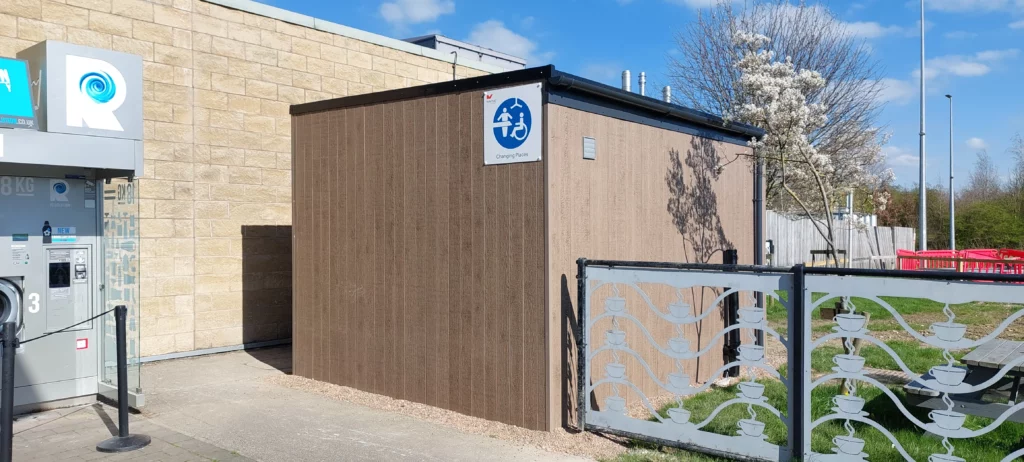
Innova Care Concepts provides a modular Changing Places Toilet designed specifically for organisations that need a fully compliant facility without major building works. Their units are delivered ready to use and include all standard Changing Places features. External finishes, cladding and internal colour schemes can be customised to match the existing environment.
Innova also offers a complete service that includes design, delivery, installation, commissioning and support with registration. This allows venues to add an inclusive hygiene facility quickly and with confidence.
Case Example: RHS Harlow Carr
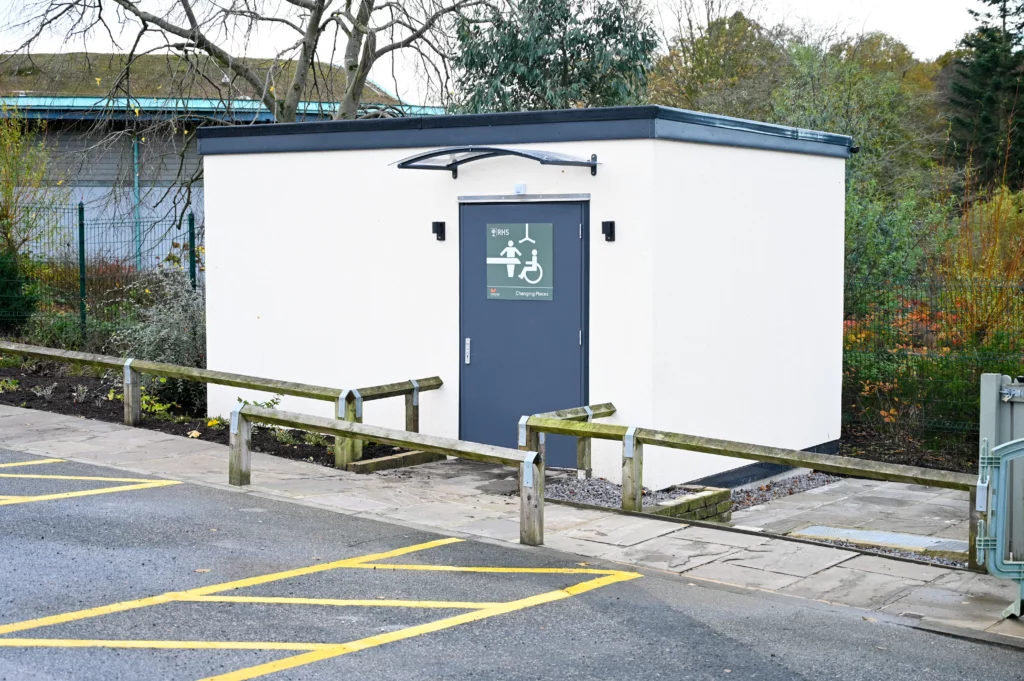
RHS Harlow Carr in North Yorkshire wanted to offer a Changing Places toilet for its visitors, but the existing buildings lacked appropriate internal space. As the gardens operate year-round, on-site construction was likely to be disruptive.
A modular solution allowed the team to install a fully equipped Changing Places toilet in the car park with minimal interruption. The unit was delivered and lifted into place once the base was prepared. External finishes were chosen to complement the site, and bespoke internal graphics helped create a welcoming environment for visitors.
The facility now provides an accessible and dignified space for people with complex needs, ensuring the gardens can be enjoyed by a wider community.
Checklist for Decision-Makers
- Confirm the need for a Changing Places facility at your venue.
- Identify a suitable space and access for delivery and crane positioning.
- Prepare utilities early, including water, drainage and electricity.
- Consider how the unit will blend with your surroundings.
- Ensure all equipment meets Changing Places standards.
- Choose a provider with expertise in turnkey modular solutions.
- Check compliance requirements and plan for official registration.
- Plan ongoing servicing, such as hoist inspections.
- Set a realistic budget for groundworks and customisation.
- Communicate the location and features of the facility to users.
Conclusion
Modular construction is transforming how organisations deliver accessible hygiene facilities. Prefabricated Changing Places toilets are faster to install, more predictable in cost and far less disruptive than traditional builds. With flexible designs, full compliance and turnkey installation, modular units offer a practical solution for venues of all sizes.
The success at RHS Harlow Carr shows how effective this approach can be. For any venue committed to accessibility, modular Changing Places facilities are an excellent way to support dignity, independence and inclusion.
FAQs
1. What is a Changing Places toilet?
A Changing Places toilet is a fully accessible facility designed for people with complex physical needs who require assistance from a carer. It includes specialist equipment such as a height-adjustable changing bench, ceiling hoist, and additional space for support.
2. What is a modular Changing Places unit?
A modular Changing Places unit is a prefabricated accessible toilet built off-site and delivered ready for installation. It provides a fast, high-quality alternative to traditional on-site construction.
3. How long does installation take?
Installation of a modular Changing Places unit typically takes just a few hours once the site has been prepared, making it significantly faster than traditional building methods.
4. Where can modular units be used?
Modular Changing Places units can be installed in a wide range of locations, including outdoor spaces, car parks, public venues, and sites where internal space is limited or restricted, such as heritage buildings.
5. How much do modular Changing Places facilities cost?
The cost of a modular Changing Places toilet varies depending on specifications and site requirements. However, modular solutions often offer more predictable pricing and improved cost efficiency compared to traditional builds.

Speak to The Experts
Need assistance with product enquiries, general enquiries, or product support? Our phonelines are open 9am - 5pm Monday to Friday. Or, fill out the form for a call back.