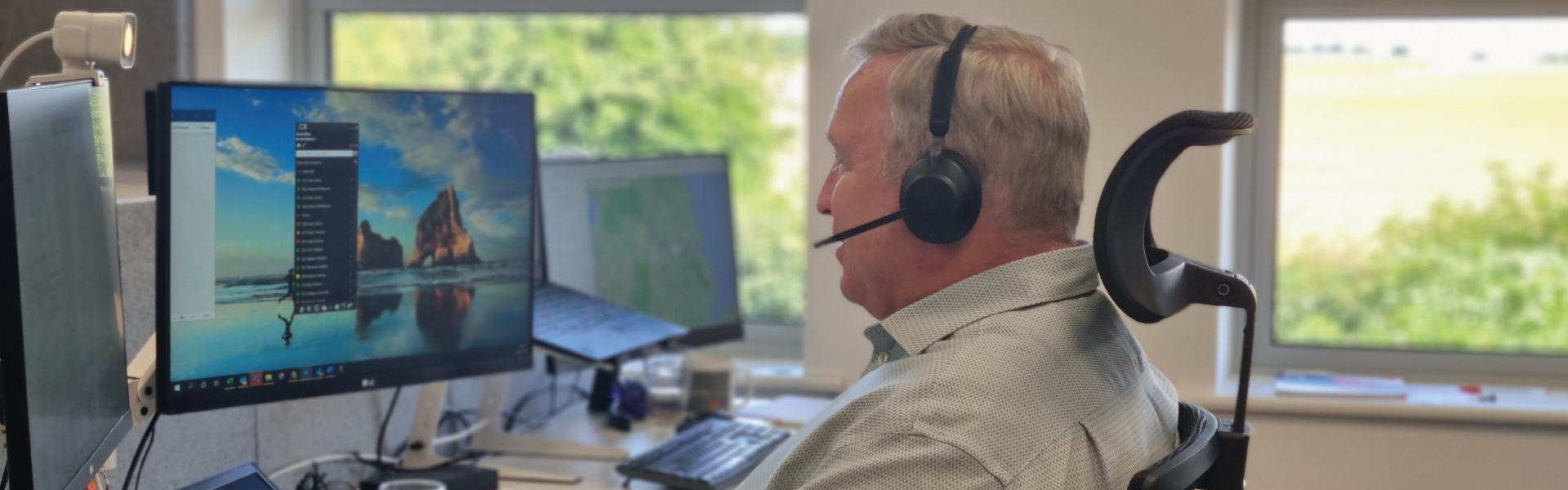
Why Early Specialist Equipment Planning Prevents Delays in SEND School Projects
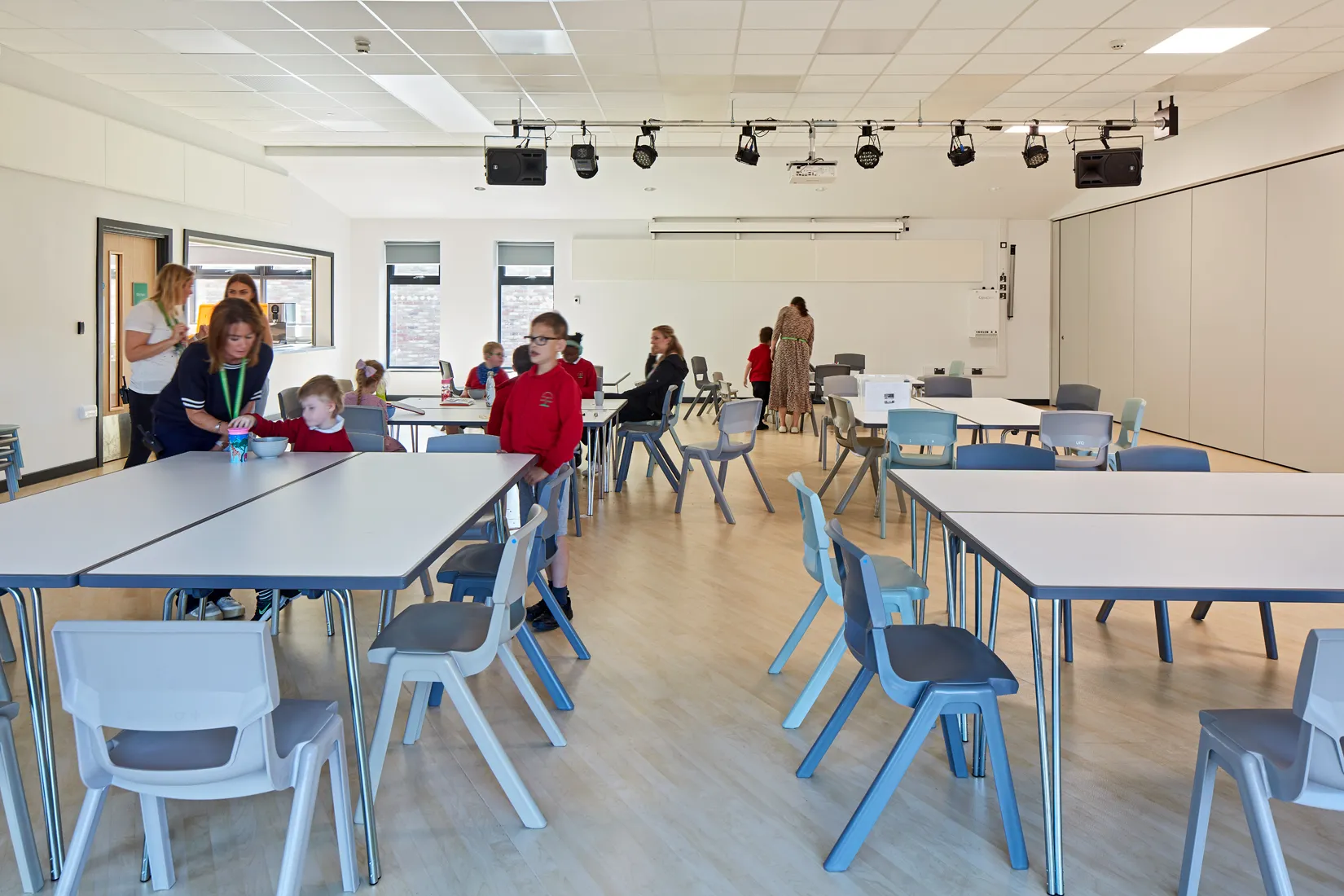
The delivery of modern SEND schools has become increasingly complex. As demand grows for environments that support pupils with physical disabilities, project teams are being asked to coordinate a wider range of specialist spaces, equipment packages, and stakeholder requirements than ever before.
From hygiene rooms and ceiling hoists to hydrotherapy facilities, sensory environments and life skills spaces, specialist equipment now plays a fundamental role in how many SEND schools function day-to-day. Yet despite its importance, specialist equipment is often treated as a procurement exercise rather than a core part of the design and construction process.
This approach creates risk.
When specialist equipment expertise is introduced too late, project teams can find themselves managing design clashes, structural alterations, programme delays and procurement challenges that could have been avoided through earlier coordination.
For architects, contractors, project managers and local authorities delivering SEND environments, early specialist equipment planning is no longer simply best practice. It is one of the most effective ways to improve project certainty, reduce risk and support successful SEND school project delivery.
Why Specialist Equipment Should Be Considered Earlier
In many conventional education projects, furniture and equipment packages can often be finalised later in the programme with limited impact on the building itself.
SEND schools are different.
Many items of SEND school specialist equipment directly influence building design, structural requirements, mechanical and electrical services, room layouts and operational workflows.
A ceiling hoist system may require structural support design during early project stages. A hygiene room may need specialist drainage, plumbing coordination and carefully planned transfer spaces. Hydrotherapy facilities involve significant mechanical, electrical and spatial requirements that affect multiple systems.
When these elements are identified late, the consequences can quickly spread throughout the project.
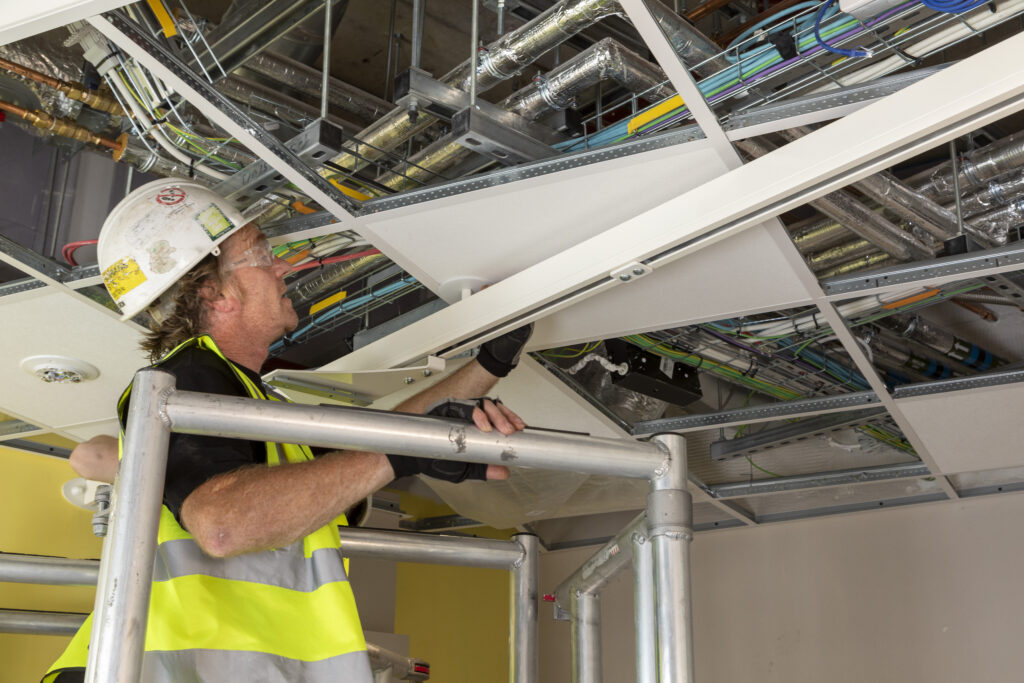
Design teams may need to revisit completed drawings. Structural engineers may be required to reassess support arrangements. MEP contractors may need to alter service routes. Procurement teams can face longer lead times. Site teams are often left trying to accommodate specialist requirements within spaces that were never fully designed around them.
The result is rarely a single issue. Instead, it becomes a chain reaction of redesign, coordination meetings and programme pressure. By involving specialist equipment expertise during early-stage SEN construction planning, project teams gain a clearer understanding of these requirements before critical design decisions have been locked in.

The Hidden Cost of Late Coordination
Most project teams recognise the direct costs associated with redesign and rework. However, the indirect costs are often far greater. Late specialist equipment decisions create uncertainty.
Design managers can find themselves resolving clashes between design intent and construction realities. Project managers may need to re-sequence works to accommodate unforeseen requirements. Contractors often face additional coordination demands across multiple suppliers and subcontractors.
In SEND school projects, where specialist spaces are closely linked to pupil outcomes and operational functionality, compromises made late in the programme can also affect the quality of the final environment. For example, a sensory room that has not been fully coordinated may lose functionality due to spatial constraints. A hygiene room may become more difficult for staff to operate safely. Transfer routes may be less efficient than originally intended. These issues are not always immediately visible during construction, but they can affect how the school operates for years after handover.
Early specialist equipment coordination helps project teams avoid these situations by ensuring that operational requirements are considered alongside design, compliance and construction requirements from the outset.
Creating Truly Accessible Education Environments
Successful SEND schools are not defined by the equipment they contain. They are defined by how effectively that equipment supports pupils, staff and day-to-day operations. This is why the most successful projects begin with a clear understanding of how spaces will function in practice.
Questions such as:
- How will pupils move between teaching and therapy spaces?
- How will staff safely assist transfers?
- What equipment requires structural support?
- How will maintenance access be achieved?
- What future flexibility may be required?
These considerations influence everything from room sizes and circulation routes to service coordination and construction sequencing.
When specialist equipment planning is integrated into the design process, the resulting environment is typically more intuitive, more efficient and better suited to the needs of both pupils and staff. Rather than adapting spaces to fit equipment, the building and equipment are developed together as a coordinated solution. This creates more effective accessible education environments while reducing the likelihood of costly adjustments later in the programme.
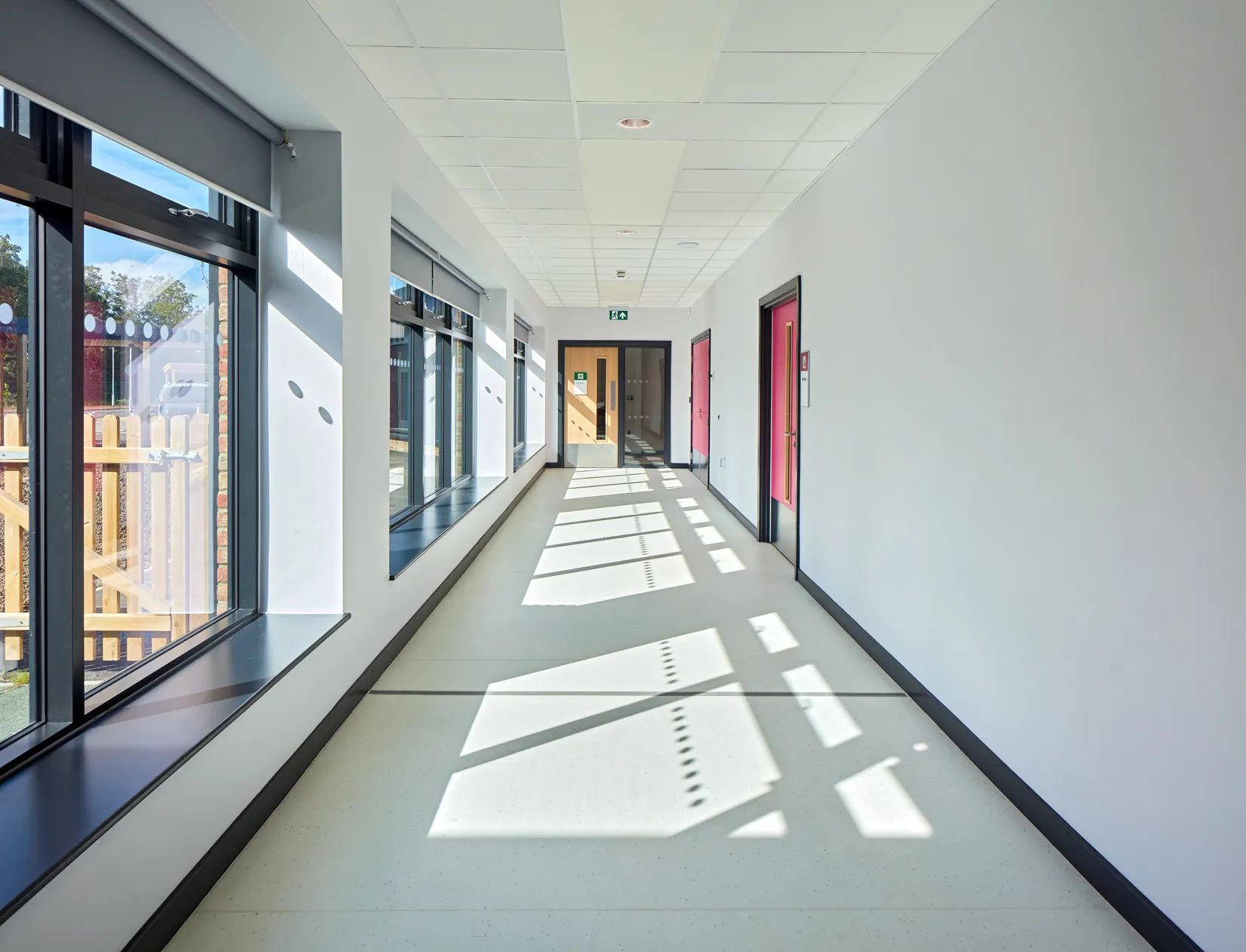
Reducing Risk Through Specialist Equipment Coordination
One of the biggest challenges facing project teams is the number of separate suppliers often involved in specialist SEND projects.
Hydrotherapy providers, hoist manufacturers, hygiene equipment suppliers, sensory specialists and FF&E contractors may all operate independently, each with their own design information, procurement timelines and installation requirements. While each package may appear manageable individually, the coordination burden can become significant.
Design managers are left aligning multiple technical submissions. Project managers must coordinate several installation programmes. Contractors need to manage interfaces between different suppliers and building trades. This fragmented approach increases the likelihood of missed information, conflicting requirements and programme disruption.
Effective specialist equipment coordination reduces this risk by bringing requirements together earlier and managing them through a more integrated process. Instead of treating specialist equipment as multiple disconnected packages, project teams benefit from a coordinated approach that considers interfaces, sequencing and dependencies from the beginning. This not only reduces coordination effort but also improves overall project certainty.
Supporting Better SEND School Project Delivery
Every SEND school project is ultimately measured on delivery:
- Did the project meet programme?
- Did it stay within budget?
- Does the environment function as intended?
The earlier specialist equipment planning begins, the easier these objectives become to achieve.
For design teams, early engagement provides confidence that specialist requirements have been properly integrated and are buildable within project constraints.
For contractors, it reduces the risk of late-stage design changes, installation challenges and programme disruption.
For local authorities and project sponsors, it helps ensure that operational requirements are fully understood before investment decisions are made.
Most importantly, it creates a smoother path from concept design through to occupation. Projects become more predictable because fewer surprises emerge during construction. Stakeholders spend less time resolving problems and more time focusing on delivery, and programme certainty improves because key decisions have been made at the right stage.
In an environment where timelines, budgets and resources are increasingly constrained, these advantages become paramount to delivering a successful build without compromising on accessibility.
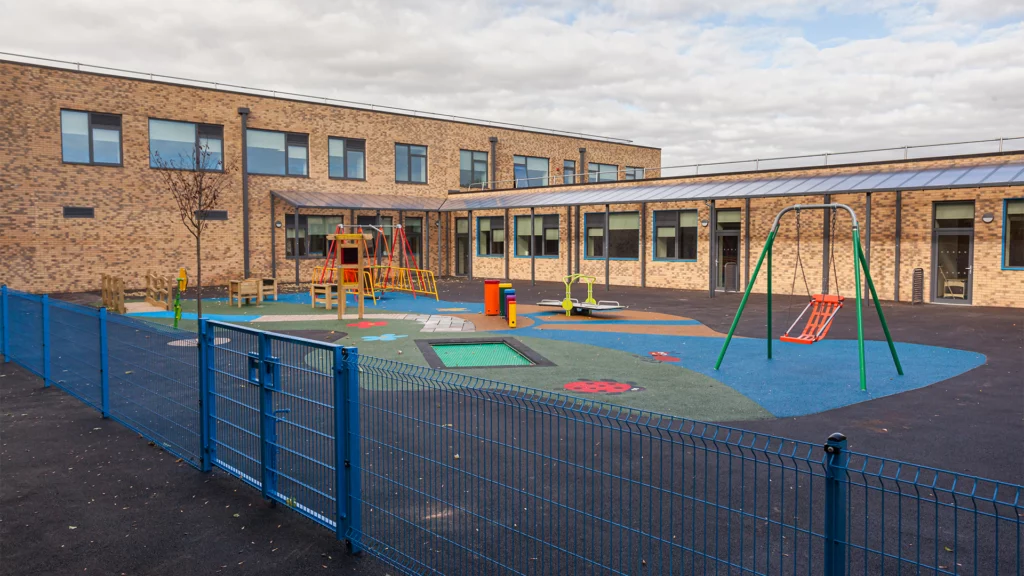
For a practical example, see how Innova supported integrated accessibility at a brand new SEN school, bringing together specialist hoisting, hygiene and hydrotherapy provision within one coordinated project.
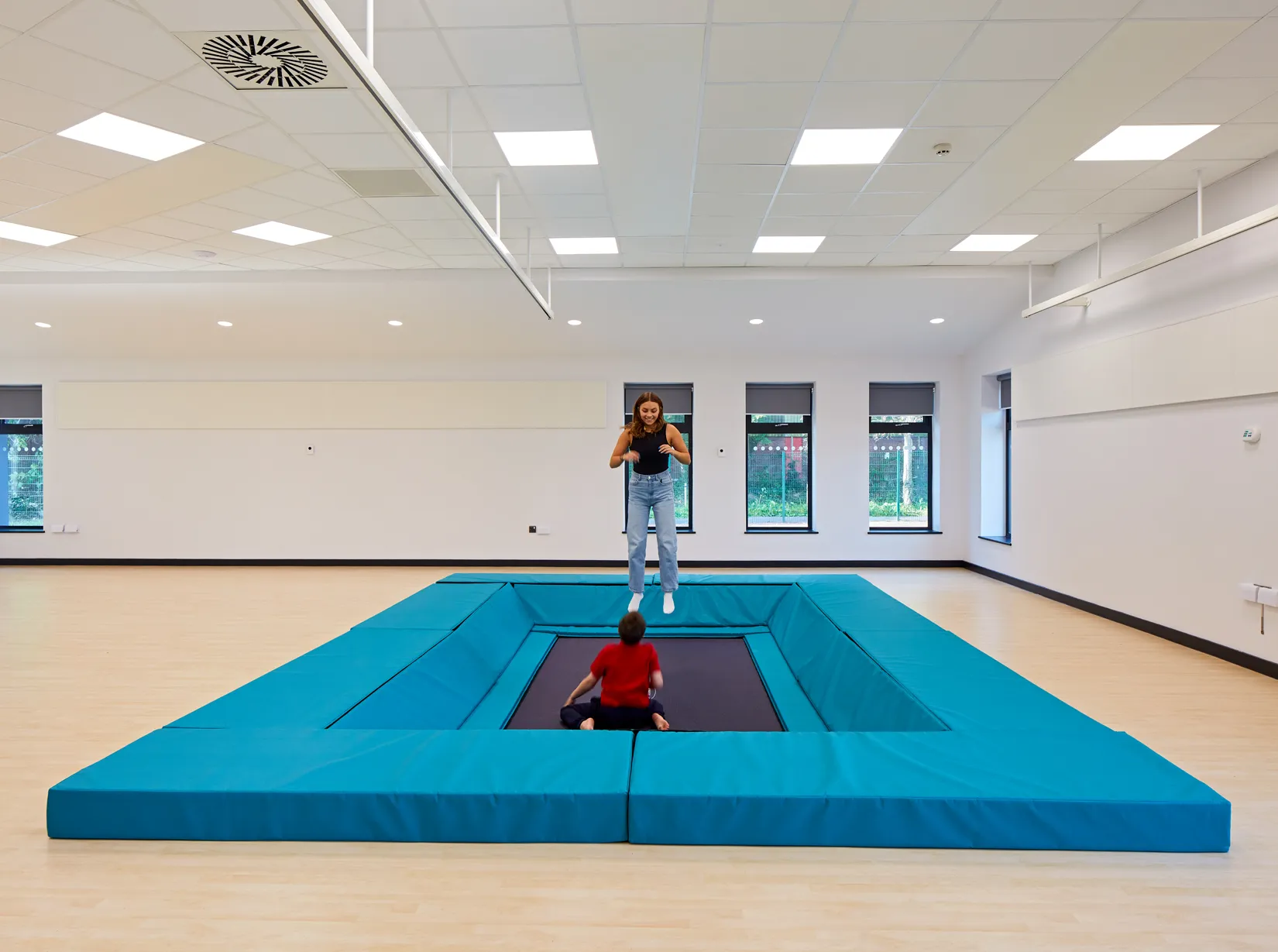
Why Refurbishment Projects Need Even Earlier Planning
The importance of early planning becomes even more pronounced within refurbishment and improvement projects. Unlike new-build schools, refurbishment schemes often involve existing structural limitations, restricted access routes, legacy services and occupied environments. Many assumptions cannot be made until detailed surveys have been completed.
This means specialist equipment requirements must be understood as early as possible to avoid discovering critical constraints once construction is underway. For example, existing ceiling structures may not support new hoist installations without reinforcement. Service routes may need modification to accommodate hygiene equipment. Existing room dimensions may affect equipment layouts and transfer spaces.
Identifying these challenges during design stages gives project teams time to develop practical solutions, whereas identifying them during construction often results in delay, disruption and additional cost.
Early specialist equipment planning provides the visibility needed to make informed decisions before works commence.
The Value of a Consolidated Approach
As SEND school projects become more sophisticated, many organisations are moving away from managing numerous specialist suppliers independently. Instead, they are seeking delivery models that simplify complexity. A consolidated specialist equipment approach provides a single coordinated route through design, specification, procurement, installation and ongoing support.
For project teams, this creates several advantages:
- Communication becomes simpler.
- Coordination requirements are reduced.
- Package interfaces are managed more effectively.
- Responsibility is clearer.
- Most importantly, risk is identified and addressed earlier.
Rather than managing multiple specialist suppliers working in isolation, project teams gain a coordinated partner who understands how equipment packages interact with the wider project. This supports smoother school FF&E planning while reducing pressure on design and delivery teams.
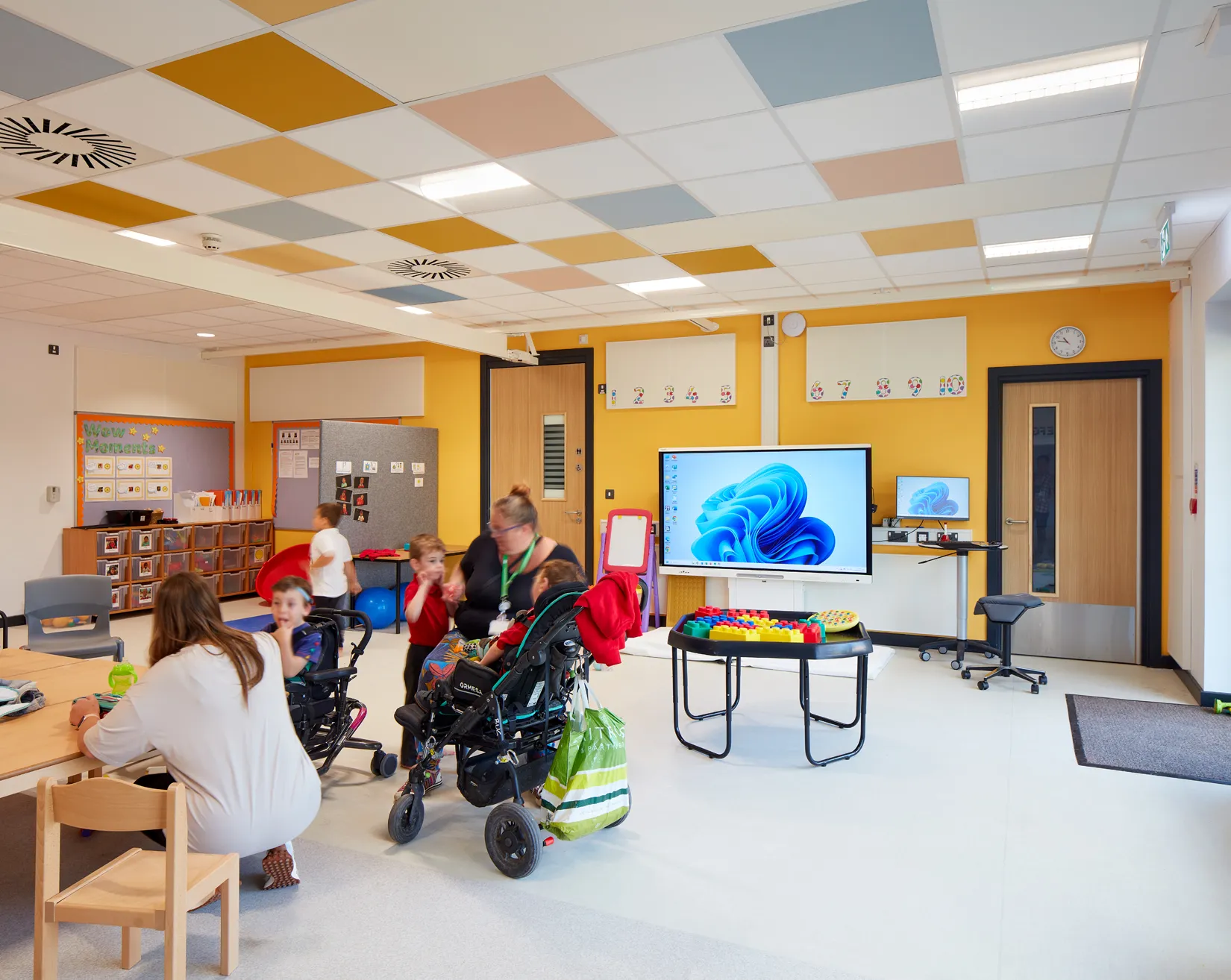
Planning Early Creates Better Outcomes
The most successful SEND schools are rarely the result of solving problems during construction. They are the result of identifying and resolving challenges long before they reach site.
Early specialist equipment planning gives project teams the opportunity to make informed decisions when flexibility still exists. It allows design teams to coordinate requirements properly, enables contractors to plan delivery more effectively, and reduces the likelihood of costly redesign or programme disruption.
Conclusion
As SEND environments continue to evolve, the projects that perform best will be those that view specialist equipment not as an isolated package, but as a fundamental part of the wider design and construction strategy.
By integrating SEND school specialist equipment expertise from the earliest stages of SEN construction planning, project teams can create more effective accessible education environments, reduce coordination risk and achieve stronger SEND school project delivery outcomes.
For design teams looking to plan these spaces earlier, Innova also offers The Complete Accessible School Fit-Out CPD, designed to support better early-stage planning for accessible education environments.
Ultimately, early planning is not simply about avoiding delays.
It is about delivering schools that function exactly as they were intended to – supporting pupils, empowering staff and creating environments where everyone can thrive.
Frequently Asked Questions
When should specialist equipment planning begin on a SEND school project?
Specialist equipment planning should begin as early as possible, ideally during the design and specification stages. This allows requirements such as structural support, drainage, room layouts, service routes and future maintenance access to be coordinated before key design decisions are locked in.
Why does late specialist equipment planning create risk?
Late planning can lead to design clashes, structural changes, service coordination issues, procurement delays and pressure on the construction programme. In SEND school projects, these issues can also affect how well the final environment supports pupils and staff.
What specialist equipment is commonly needed in SEND schools?
SEND schools commonly require ceiling hoist systems, hygiene rooms, changing facilities, hydrotherapy pools, sensory spaces, therapy areas and life skills environments. Each of these can influence building design, room layouts, services and installation sequencing.
How does a consolidated specialist equipment approach help project teams?
A consolidated approach reduces the need to manage multiple disconnected suppliers. It gives architects, contractors and project managers one coordinated route through design, specification, procurement, installation and ongoing support.

Speak to The Experts
Need assistance with product enquiries, general enquiries, or product support? Our phonelines are open 9am - 5pm Monday to Friday. Or, fill out the form for a call back.