Creating a Forever Home That Supports Well-being & Mental Health

When people imagine their forever home, they often focus on comfort, practicality, and style. But a truly lasting space goes beyond bricks and mortar; it becomes a sanctuary that furthers well-being and mental health. The principles of wellness home design are increasingly being embraced to ensure that our living environments actively support us, not just physically but emotionally and mentally too.
From the way light flows through a room to the choice of textures, colours, and layouts, our surroundings have a profound impact on our mood and daily life.
In this blog, we’ll explore three key aspects of designing a home that promotes long-term well-being: natural light, sensory-friendly spaces, and calming design choices.
Wellness Home Design and the Role of Natural Light
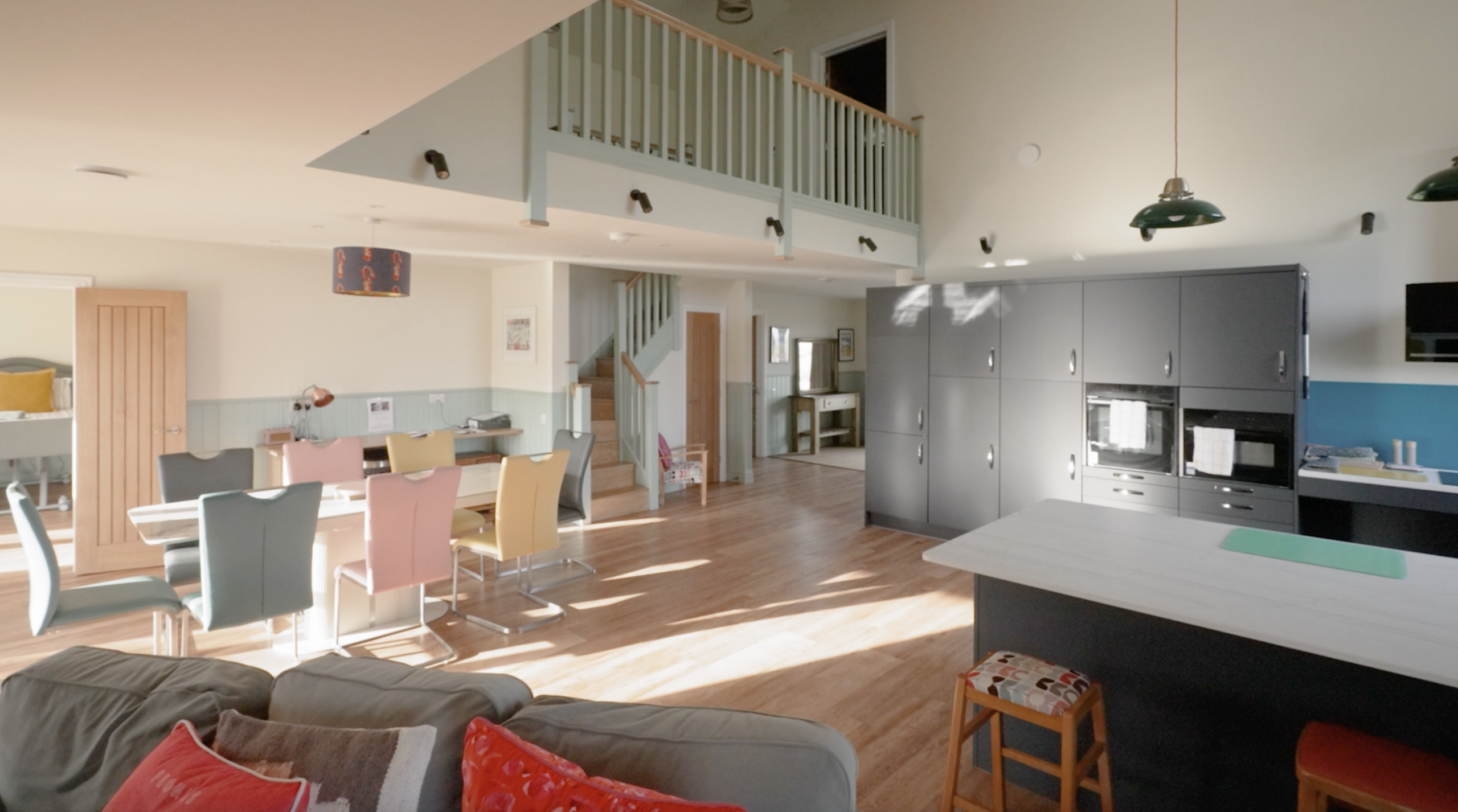
Natural light is one of the most transformative elements of a home. Beyond its obvious role in visibility, daylight has a proven connection to mental health. Exposure to natural light helps regulate circadian rhythms, improving sleep quality and boosting mood through the release of serotonin.
In wellness home design, maximising daylight is a cornerstone principle. Large windows, skylights, and glass doors can flood interiors with light, creating uplifting and energising spaces. However, balance is important; harsh glare or too much heat can be overwhelming. Solutions such as sheer curtains, blinds, or frosted glass provide control, allowing homeowners to adjust light to suit their needs throughout the day.
Tips for using natural light in wellness home design:
- Position key living areas: kitchens, living rooms, and home offices and where sunlight is most abundant.
- Use softer, more diffused light in bedrooms and relaxation spaces.
- Layer daylight with warm-toned artificial lighting for consistency in the evening.
Sensory-Friendly Spaces in Wellness Home Design
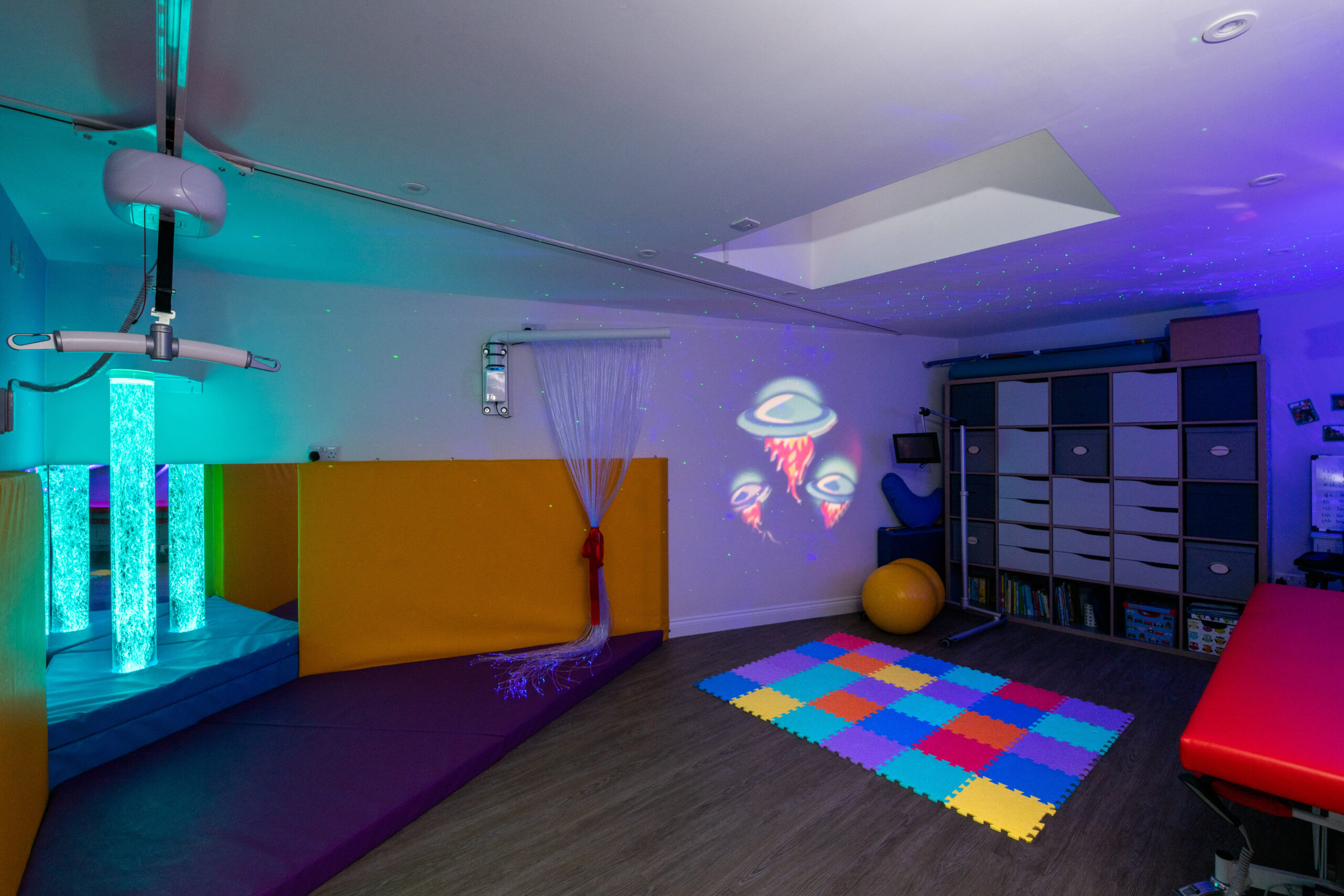
Our homes constantly interact with our senses. For those who may be sensitive to noise, light, or tactile sensations, creating sensory-friendly spaces can be life-changing. But even for those without sensory challenges, carefully considered environments promote a sense of ease and balance.
Wellness home design takes into account how different materials, colours, and acoustics affect us.
Elements of a sensory-friendly wellness home:
- Noise control: Thick curtains, soft furnishings, and rugs can absorb sound, making spaces feel quieter and less stressful. Acoustic panels or double-glazed windows may be useful in noisier urban areas.
- Texture and touch: Incorporating natural materials such as wood, wool, or stone can ground a home in comfort and authenticity.
- Lighting variety: Dimmable lighting and warm-toned bulbs allow for adjustments depending on mood and activity, giving residents greater control of their environment.
By integrating these elements, a home becomes a place that feels supportive, restorative, and inclusive for everyone.
Calming Design Choices for a Wellness Home
The visual and spatial design of a home has an undeniable influence on our emotional state. In wellness home design, choices are made with mindfulness at their core. The aim is not only to make a space beautiful, but also to reduce stress and encourage relaxation.
Calming design strategies to consider:
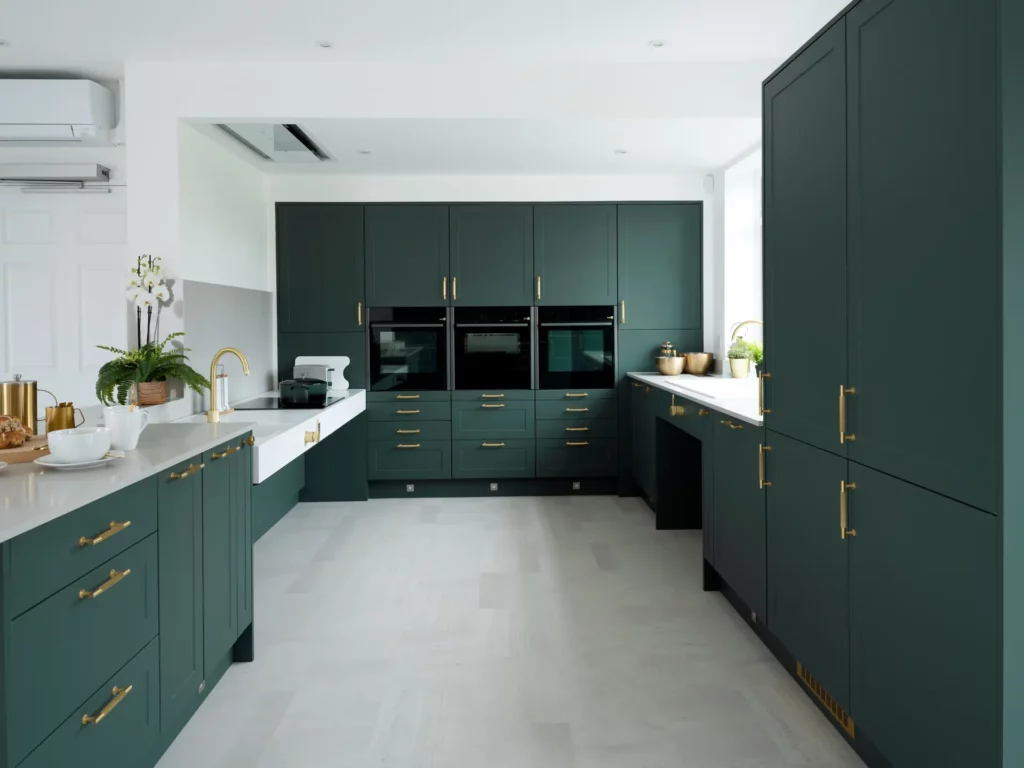
- Colour palettes: Soft neutrals, muted blues, and earthy greens often have a calming effect. These tones mimic the natural world and can instil feelings of tranquillity.
- Decluttered spaces: Minimalism isn’t about empty rooms, it’s about intentionality. A well-organised space reduces mental clutter and promotes a sense of control.
- Biophilic design: Introducing houseplants, natural woods, and water features can create a closer connection to nature, which research shows lowers stress and enhances focus.
- Flow and layout: Open layouts encourage movement and connection between spaces, while nooks and alcoves offer cosy retreats for privacy and quiet.
Over time, these design choices build a home that doesn’t just look good but actively enhances well-being.
Building a Forever Home with Wellness Home Design
A forever home should evolve with you. It’s not just a house to live in, but a supportive foundation for mental health and happiness.
Wellness home design is about more than aesthetics. It is about shaping spaces that respond to human needs: light, comfort, calm, and connection. By incorporating natural light, sensory-friendly features, and calming design elements, you create an environment that sustains you through life’s many stages.
FAQs
1. What is wellness home design?
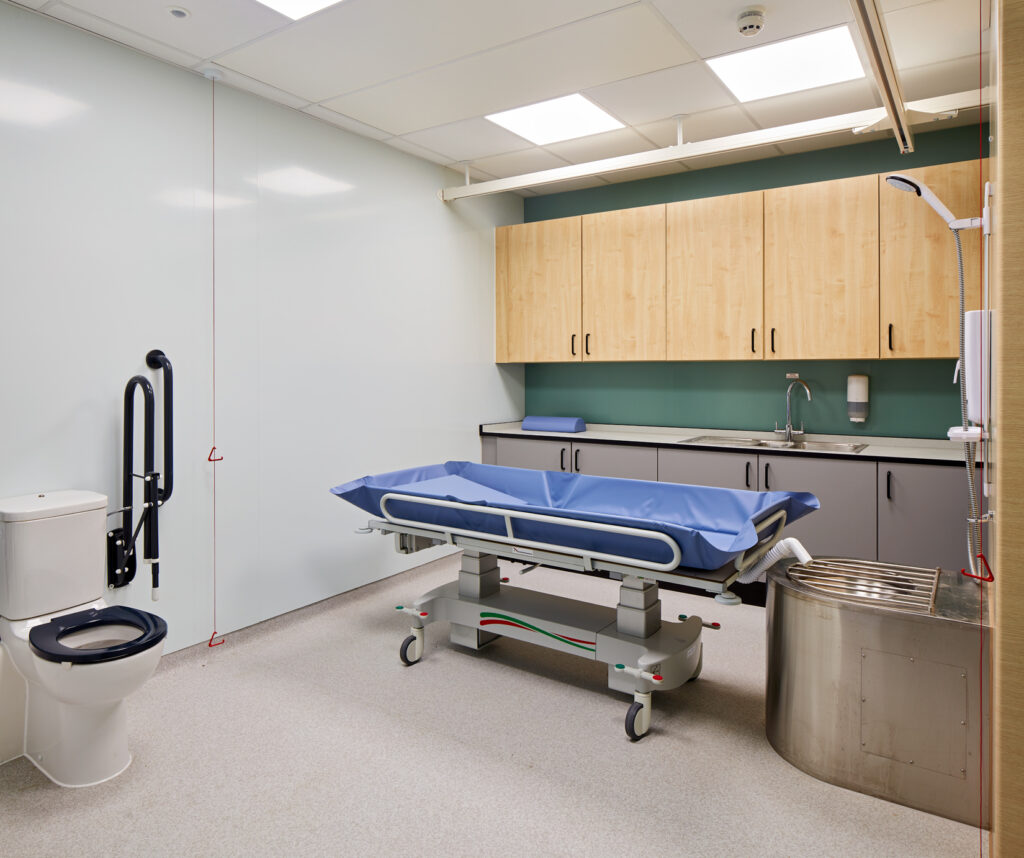
Wellness home design creates living environments that improve physical, mental, and emotional wellbeing through light, layout, and materials. In complex care settings, it also supports independence and safer care delivery by integrating specialist equipment into a calm, functional space.
Research shows that well-designed environments can improve patient outcomes and wellbeing by up to 20% (World Green Building Council).
2. How does natural light affect mental health?
Natural light improves mental health by boosting mood, increasing energy, and regulating sleep cycles. In adapted homes, it also helps reduce agitation and improve daily routines for people with complex needs.
Exposure to natural light has been linked to improved sleep and reduced depression symptoms, with daylight influencing circadian rhythms (NHS, Sleep Foundation).
3. What are sensory-friendly design features?
Sensory-friendly design includes adjustable lighting, acoustic control, and calming textures to reduce overstimulation. In complex care environments, this can lower anxiety, improve focus, and create safer, more predictable spaces for both users and carers.
Studies show sensory-adapted environments can reduce anxiety-related behaviours by up to 60% in some care settings (Journal of Autism and Developmental Disorders).
4. What colours are most calming in interior design?
Calming colours such as soft blues, greens, and neutral tones help reduce stress and create a sense of stability. In care environments, these colours can also support orientation and reduce sensory overload.
Healthcare design research indicates that colour and environment can significantly influence stress levels and recovery (The King’s Fund).
5. Can small homes incorporate wellness home design?
Yes, small homes can achieve wellness and accessibility by combining efficient layouts, natural light, and integrated specialist equipment. A coordinated design approach ensures space supports both independence and care needs without compromise.
Well-planned environments can improve functional independence and reduce care burden, with home adaptations shown to deliver strong cost-benefit outcomes (UK Government Disabled Facilities Grant research).



Speak to The Experts
Need assistance with product enquiries, general enquiries, or product support? Our phonelines are open 9am - 5pm Monday to Friday. Or, fill out the form for a call back.