Designing a Home That Grows With You: Future-Proofing for Every Stage of Life
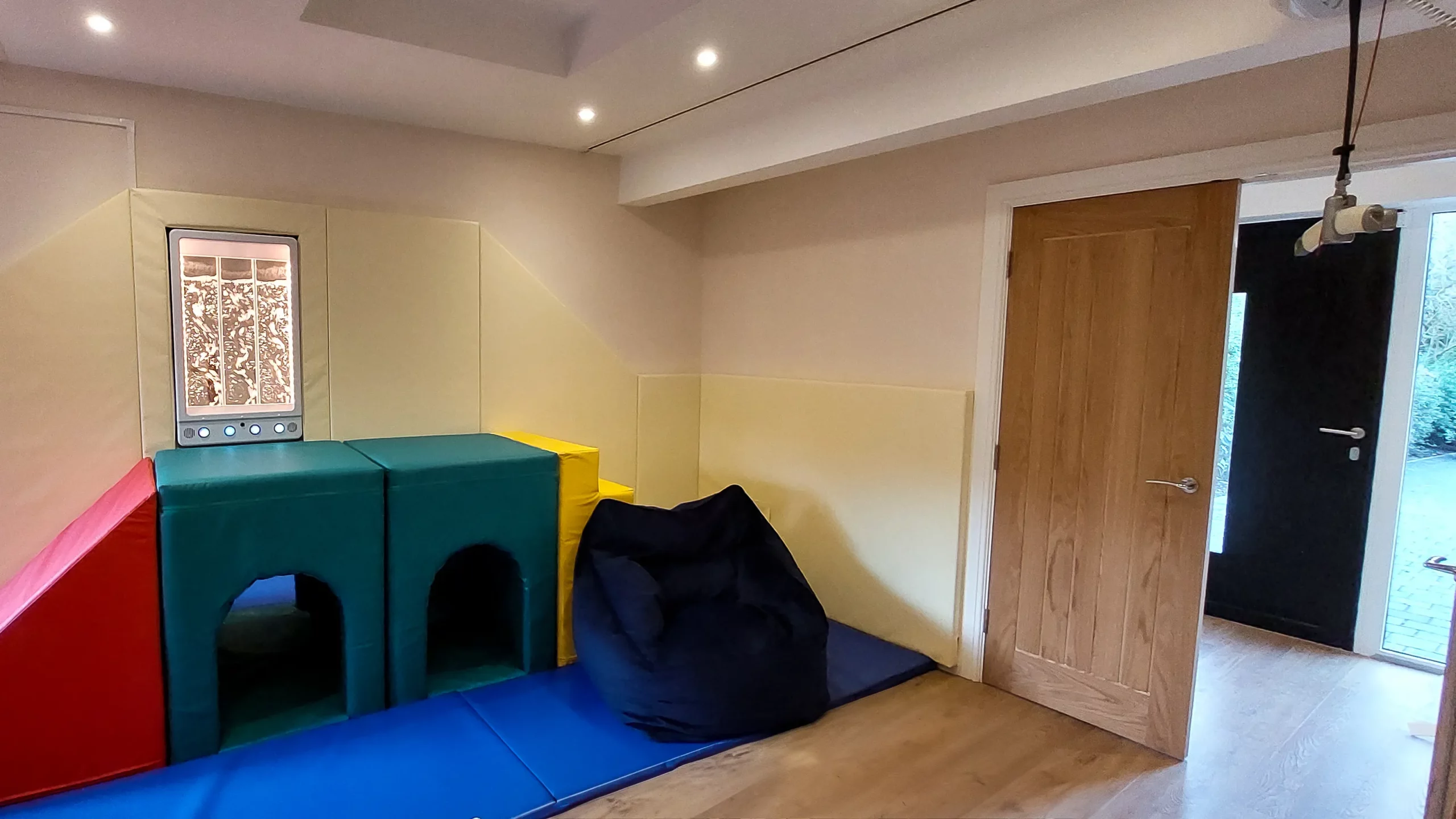
Most people want to remain in their own homes for as long as possible, enjoying the comfort, familiarity, and independence it provides. But as we age, our needs inevitably change; mobility may become more limited, eyesight and hearing can decline, and daily tasks may require extra support. With thoughtful planning, a future-proof home design can ensure that your home adapts with you, providing safety, accessibility, and dignity well into later life.
Future-proofing isn’t about making your house look clinical or institutional. Instead, it’s about blending practical features with stylish, timeless design choices that enable you to live comfortably and independently, no matter your age or physical ability.
Accessible Entrances and Movement
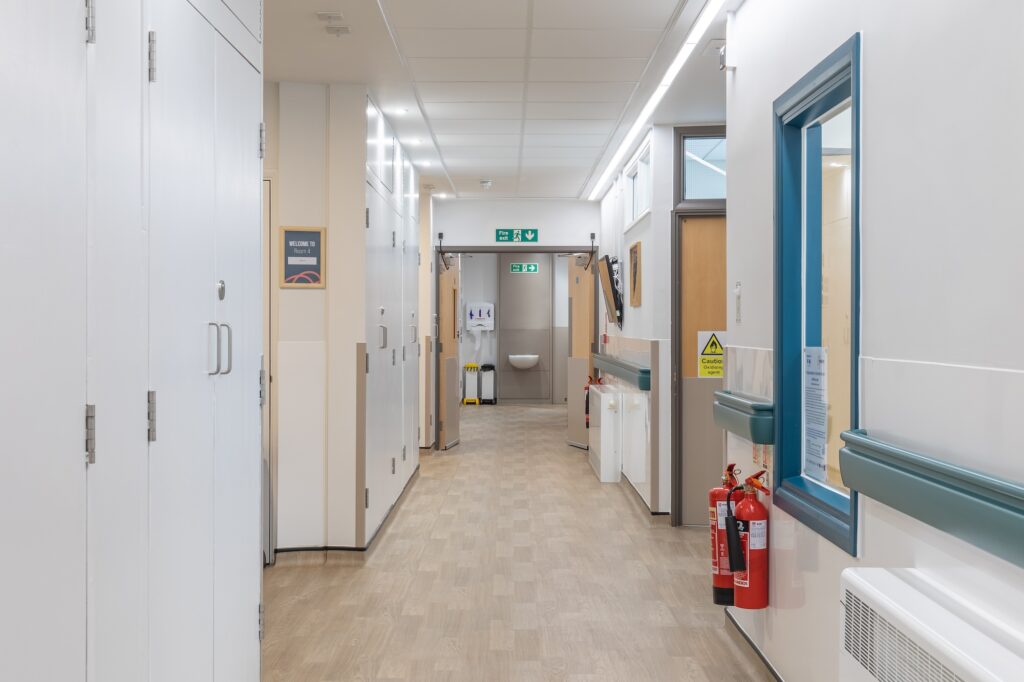
One of the most important aspects of future-proof home design is ensuring ease of movement. Step-free access to the home, whether through level thresholds or gently sloping ramps, eliminates the barrier of stairs. Inside, wider doorways and hallways allow for wheelchairs or walking aids, while open layouts provide room to manoeuvre safely.
Installing non-slip flooring throughout the home is another key consideration, reducing the risk of falls – a common concern for ageing residents. Good lighting in corridors and staircases also makes navigation easier and safer.
Bathrooms Built for Independence
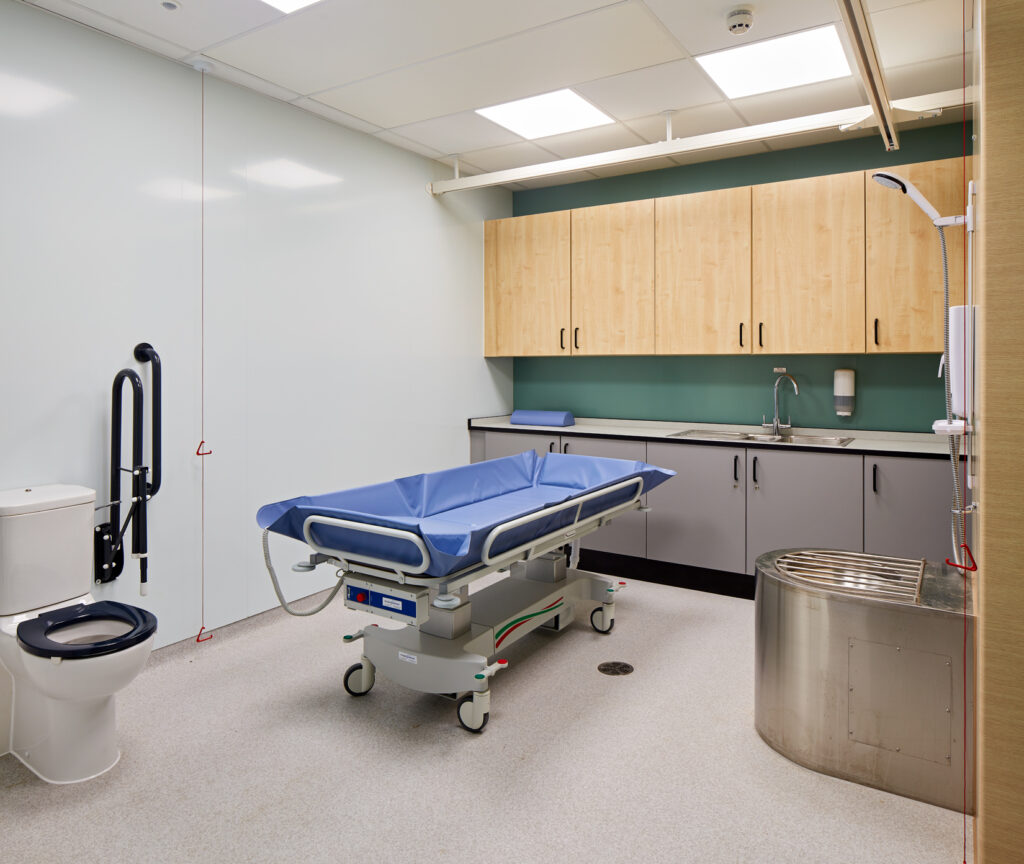
Bathrooms can present the greatest challenges as mobility declines. Designing with accessibility in mind from the outset prevents the need for major renovations later. Walk-in showers with level access, slip-resistant tiles, and sturdy grab rails all enhance safety. Reinforced walls provide flexibility for future support fittings, while adjustable or wall-hung sinks make the space easier to use with mobility aids.
Consider fitting comfort-height toilets and lever taps that are easier for arthritic hands to operate. These practical solutions are discreet, stylish, and invaluable in supporting independence.
Kitchens That Work for Every Stage of Life
The kitchen is the heart of most homes, but it can also be full of hazards for those with reduced mobility. A future-proof home design should include features such as pull-out shelves, drawer-style dishwashers, and ovens installed at waist height to reduce bending or lifting.
Adequate lighting, contrasting worktop colours for those with declining eyesight, and accessible storage areas all contribute to a safer and more functional environment.
Bedrooms and Ground-Floor Living
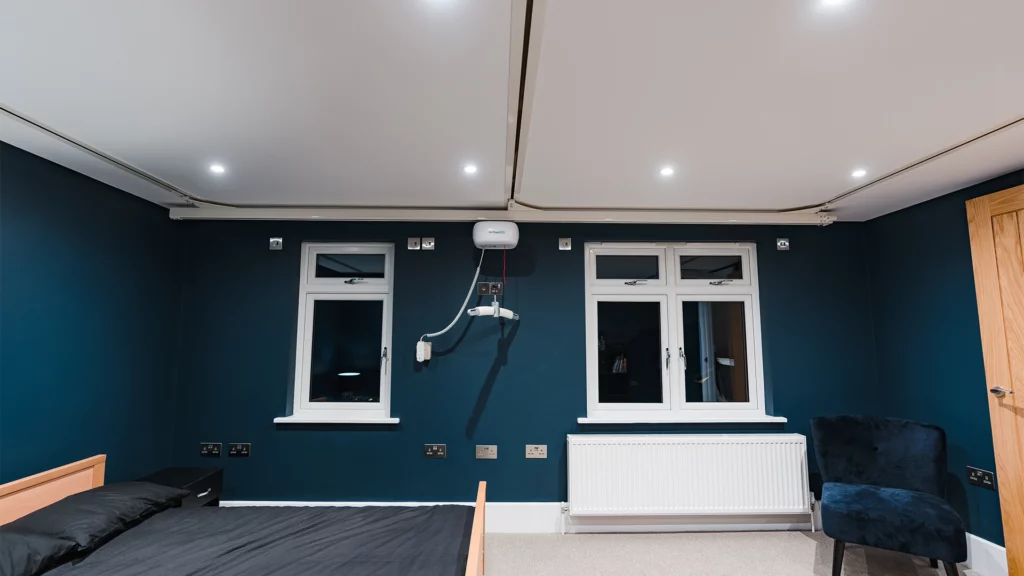
As climbing stairs becomes more difficult, the option of ground-floor living is invaluable. A flexible design might include a study or snug on the ground floor that can easily be converted into a bedroom when needed. Ensuring that a full bathroom is available on the same level makes this transition seamless.
For upstairs bedrooms, consider features like wider door frames, built-in storage for reduced clutter, and windows placed to maximise natural light, which is especially important as eyesight changes with age.
Smart Technology for Ease and Safety
Technology can play a transformative role in ageing-in-place. Smart lighting that turns on automatically, voice-activated controls, video doorbells, and fall-detection systems can all support safety and independence. These systems are flexible and can be tailored to different stages of life, making them an essential element of future-proof home design.
Outdoor Areas Made Accessible
Gardens and outdoor spaces are important for wellbeing, yet they can become difficult to maintain with age. Raised garden beds, level paving, slip-resistant surfaces, and sturdy handrails ensure that residents can continue to enjoy the outdoors safely.
Adequate outdoor lighting also improves safety while creating inviting spaces for relaxation or socialising.
Emotional and Financial Benefits
Adapting a home for ageing doesn’t just provide peace of mind, it also makes sound financial sense. A future-proof home design minimises the need for costly retrofitting later and can add value for future buyers who appreciate accessible living. Most importantly, it allows residents to maintain independence and comfort in familiar surroundings for as long as possible.
Final Thoughts
Ageing gracefully at home is possible with careful planning and thoughtful design. By prioritising accessibility, safety, and flexibility, a future-proof home design creates a supportive environment that adapts to mobility needs and health changes. The result is a home that not only looks beautiful but also provides comfort, independence, and dignity throughout every stage of life.
FAQs
1. What is future-proof home design for ageing?
It means designing a home that adapts to mobility changes, accessibility needs, and safety concerns as residents grow older.
2. How can I make my bathroom safer as I age?
Walk-in showers, non-slip flooring, grab rails, and comfort-height toilets are key features that improve safety and accessibility.
3. Is it expensive to adapt a home for ageing residents?
Not always. Many changes, such as lever handles, brighter lighting, or slip-resistant flooring, are inexpensive but have a significant impact.
4. Can smart home technology help older residents?
Yes. Voice-activated controls, automated lighting, and fall-detection systems make daily life easier and support independent living.
5. Should I consider a ground-floor bedroom for the future?
Absolutely. Having a bedroom and bathroom on the ground floor offers flexibility and ensures long-term comfort as mobility changes.
Speak to The Experts
Need assistance with product enquiries, general enquiries, or product support? Our phonelines are open 9am - 5pm Monday to Friday. Or, fill out the form for a call back.