How much does it cost to install a Changing Places toilet in Scotland?
Understanding the core costs
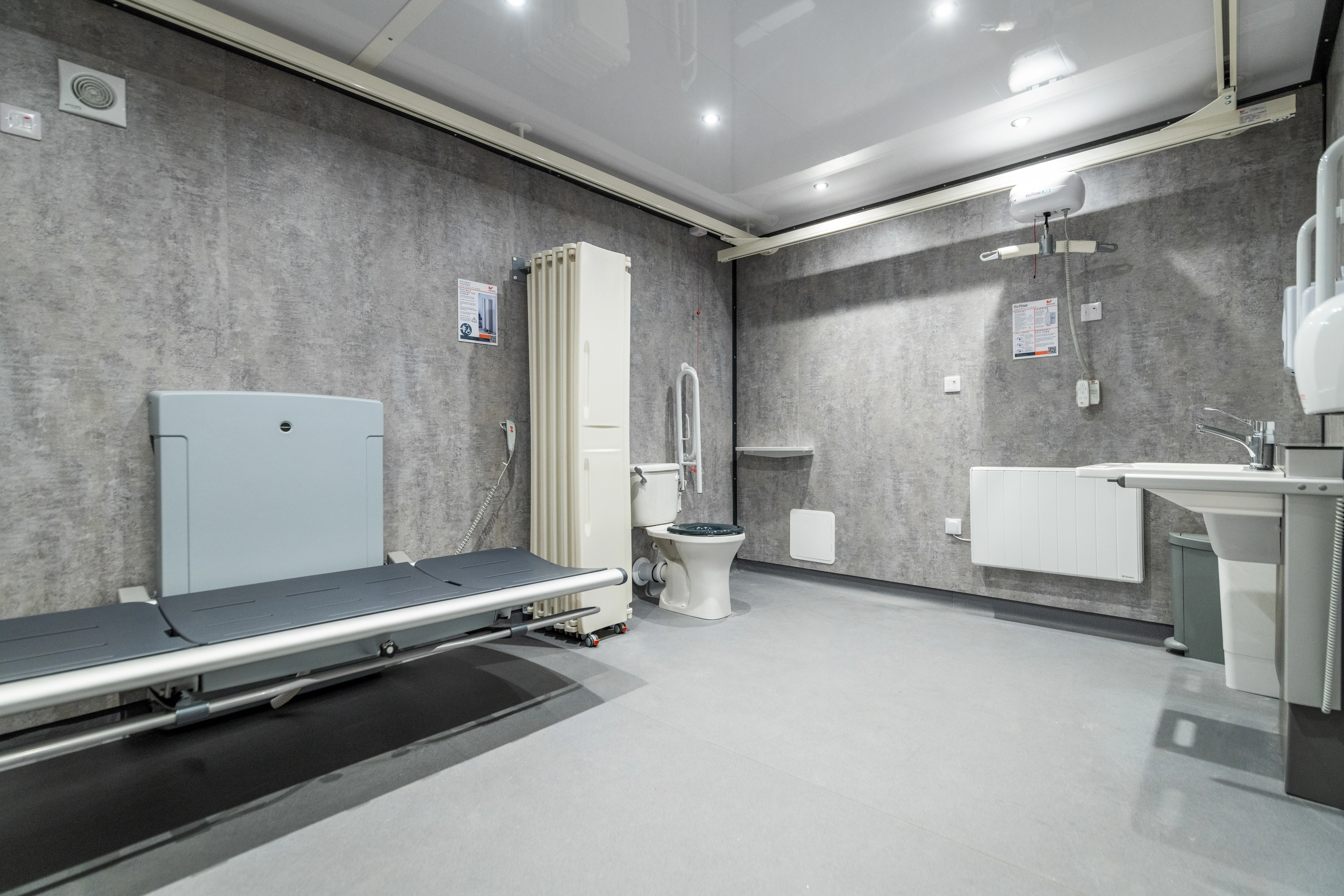
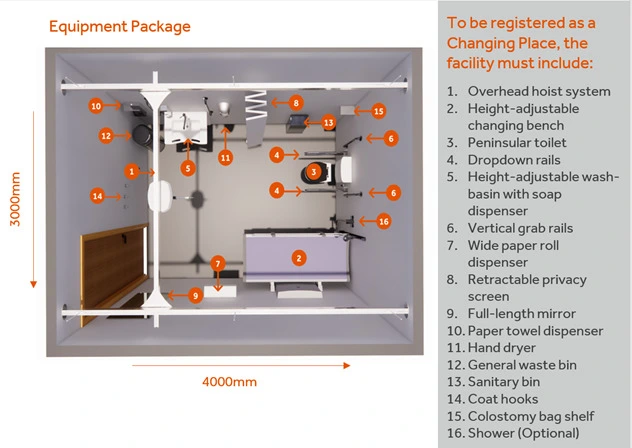
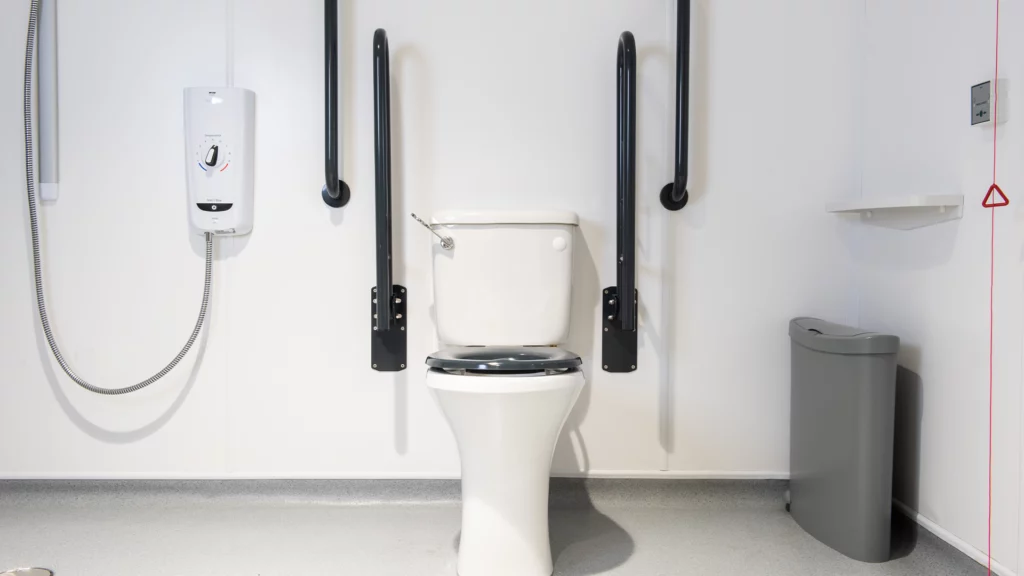
The overall cost of a Changing Places toilet typically falls between £23,500 and £47,000 in Scotland, depending on the specifics of your building and the equipment selected. One of the biggest components is the equipment itself. A ceiling-track hoist, an adult-sized height-adjustable changing bench, and a peninsular toilet are the backbone of the facility. These items, along with a privacy screen, sink, alarm system, and appropriate hand-drying equipment, often account for £10,000 to £15,000 of the total cost.
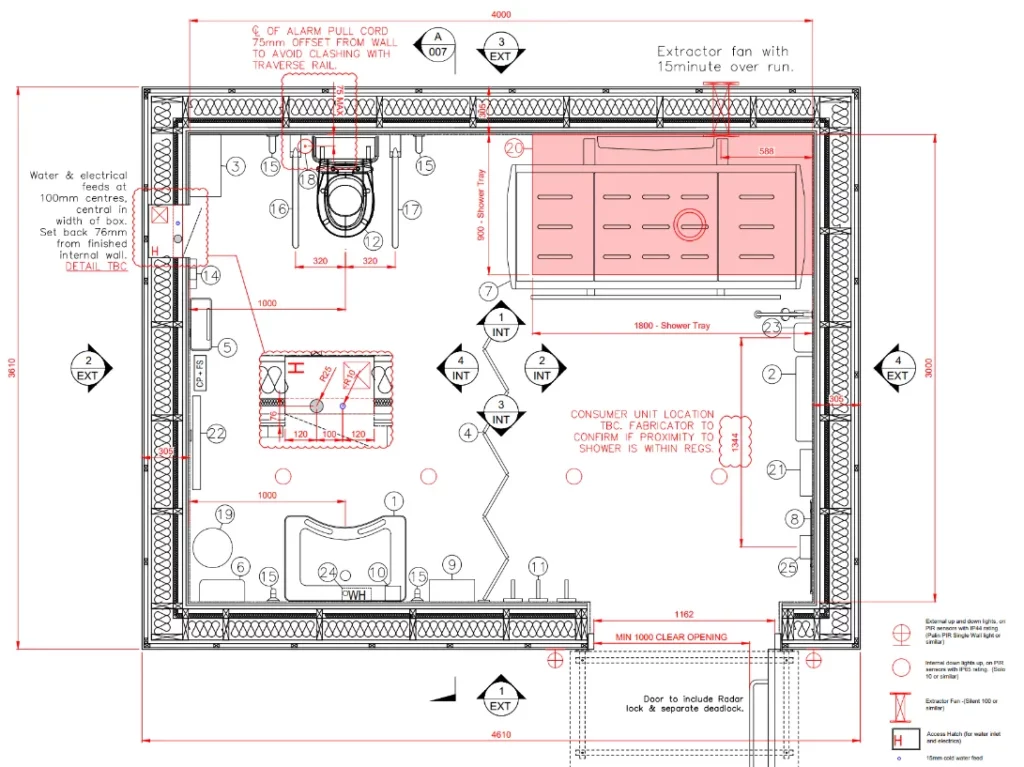
Beyond the equipment, the structure of your building plays a big role in determining the final figure. You’ll need to create or adapt a room that’s at least 12 square metres, with a minimum ceiling height of 2.4 metres. Modifying existing spaces, especially in older buildings or heritage sites, can add significant costs. Plumbing, ventilation, electrics, and structural works like widening doorways or creating accessible entry points may push this portion of the budget to anywhere between £10,000 and £25,000.
Design and project management also come into play. Consulting with an architect or accessibility expert ensures your installation meets BS8300:2018 design standards and complies with local planning and building regulations. These professional services might range from £3,000 to £6,000, and they often play a key role in helping secure Scottish Changing Places funding, which requires a detailed and compliant proposal.
While most people focus on upfront costs, it’s also important to account for future upkeep. Annual maintenance ensures the hoist and bench are safe and functional, and that your facility continues to meet health and safety standards. Depending on usage and contract terms with suppliers, you might expect to spend £500 to £1,000 a year on maintenance.
The role of Scottish Changing Places funding
Thankfully, the Scottish Government recognises the value and necessity of these facilities, and funding has been made available to support their rollout. Scottish Changing Places funding is periodically offered to help public and community organisations cover the cost of installation. These grants can cover up to 100% of the project cost, especially when facilities will be widely accessible to the public.
To access this funding, you’ll need to prepare a robust application that outlines your need for a Changing Places toilet, your location’s accessibility challenges, expected users, and full project costs. Funding bodies often prioritise projects in underserved areas or in venues with high footfall and tourism potential. The more detailed and well-evidenced your application is, the better your chances of success.
Working with suppliers or consultants who have experience with Scottish Changing Places funding can also help guide your application and ensure your plans meet all technical and compliance criteria.
Why the investment matters
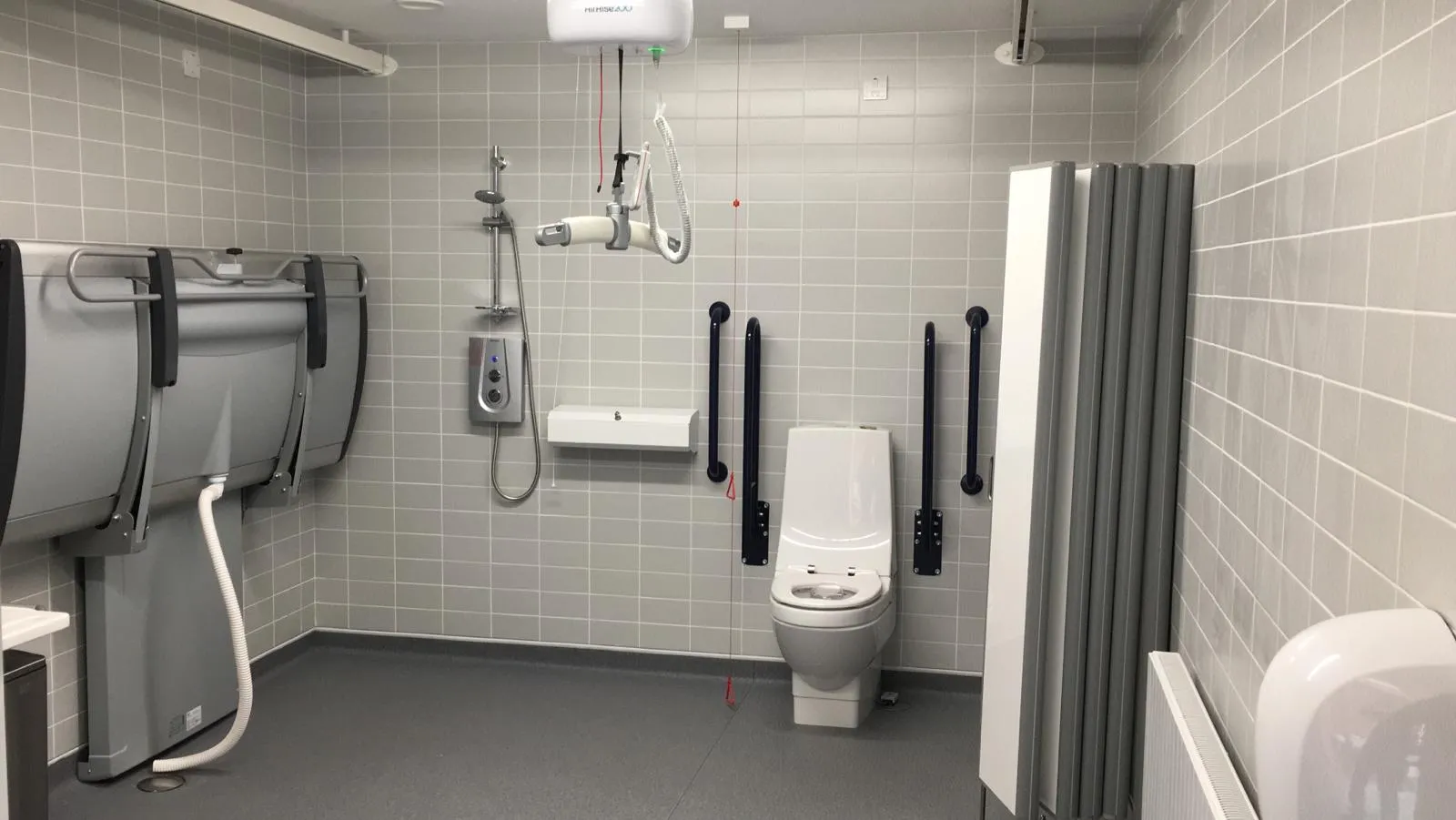
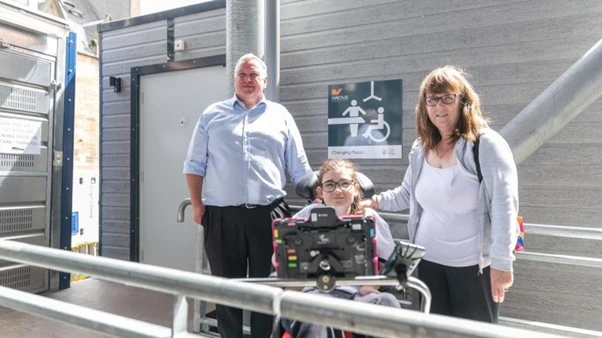
While the initial costs might seem high, the long-term impact of a Changing Places toilet can’t be overstated. These facilities provide disabled individuals and their carers with dignity, comfort, and access to everyday experiences that most people take for granted, like going to a shopping centre, attending a concert, or visiting a heritage site.
Installing one of these toilets is not just a box-ticking exercise; it’s a statement about inclusion, equality, and forward-thinking infrastructure. With Scottish Changing Places funding in place, the opportunity to lead in accessibility is more achievable than ever.
FAQs
Is Scottish Changing Places funding available to private businesses?
In some funding rounds, private venues with public access, such as museums or shopping centres, can apply. Check each round’s eligibility criteria carefully.
How much space is required for a Changing Places toilet?
The minimum recommended size is 12m² (roughly 3m x 4m), with a minimum ceiling height of 2.4m.
How long does it take to complete an installation?
From design through to completion, the process typically takes 3 to 6 months, depending on planning approvals and contractor schedules.
Can existing toilets be upgraded into Changing Places facilities?
Sometimes, but most existing accessible toilets are too small. You’ll likely need to create a dedicated room or significantly expand the existing one.
What happens if something breaks in the facility?
Annual maintenance contracts can cover equipment servicing and repairs. It’s important to have one in place to ensure continuous safe operation.
Speak to The Experts
Need assistance with product enquiries, general enquiries, or product support? Our phonelines are open 9am - 5pm Monday to Friday. Or, fill out the form for a call back.