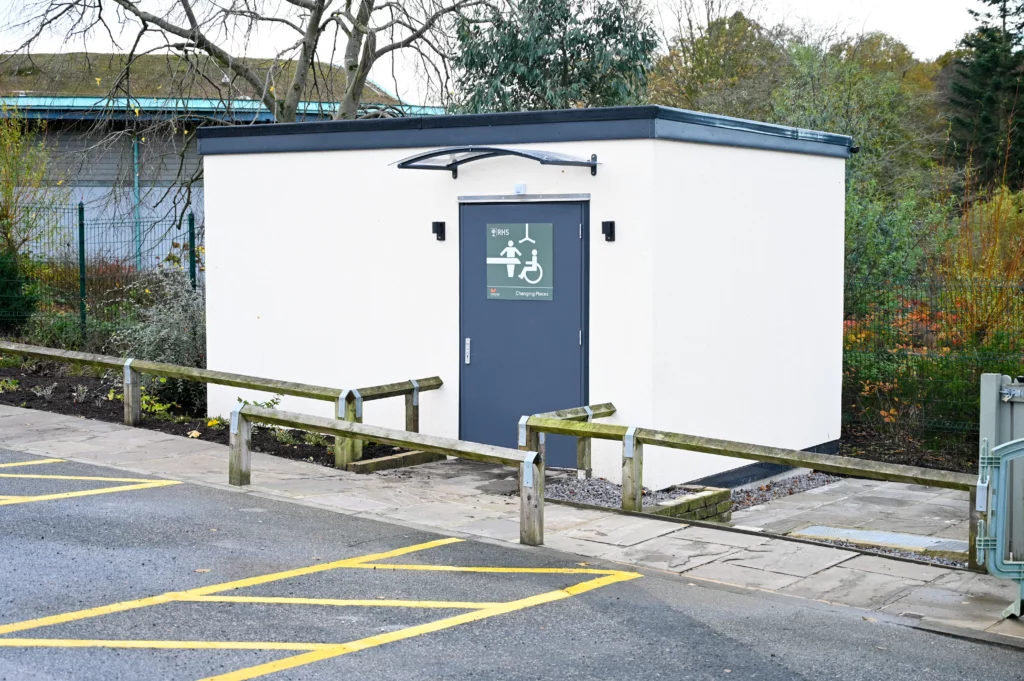
Changing Places are being installed in various locations and facilities all over the UK. Buildings with a Changing Place give disabled people a dignified, well-equipped place where they can use the bathroom and carry out any necessary hygiene procedures.
There is growing pressure for public spaces to install Changing Places — and we can understand why. So if you find yourself asking if you or your facility needs to install a Changing Place, then you’re in the right place.
In today’s world, accessibility is not just a legal requirement—it’s a moral and social obligation for businesses. Creating an inclusive environment that caters to the needs of all employees and customers is essential to help businesses grow and foster more diverse work spaces.
One of the most crucial aspects of workplace accessibility is the provision of Changing Places toilets. These facilities are specifically designed to meet the needs of individuals with profound and multiple learning disabilities, as well as other disabilities.
Registering a Changing Places toilet is an absolute must if you want to ensure it meets the latest regulations and compliance. Failure to get your facility registered can have a huge knock on effect on its visibility and viability.
Our blog details the benefits and importance of registering a Changing Places toilet and the support available to ensure it is carried out correctly.
The Changing Places campaign states that there are approximately 250,000 people across the UK who would benefit from a Changing Place. These include individuals with profound and multiple learning disabilities, those with cerebral palsy, multiple sclerosis, spina bifida, motor neurone disease, older people or those who have acquired a brain injury. These are the people who need better-equipped public toilets, and if there are no Changing Places, then their needs aren’t being met.
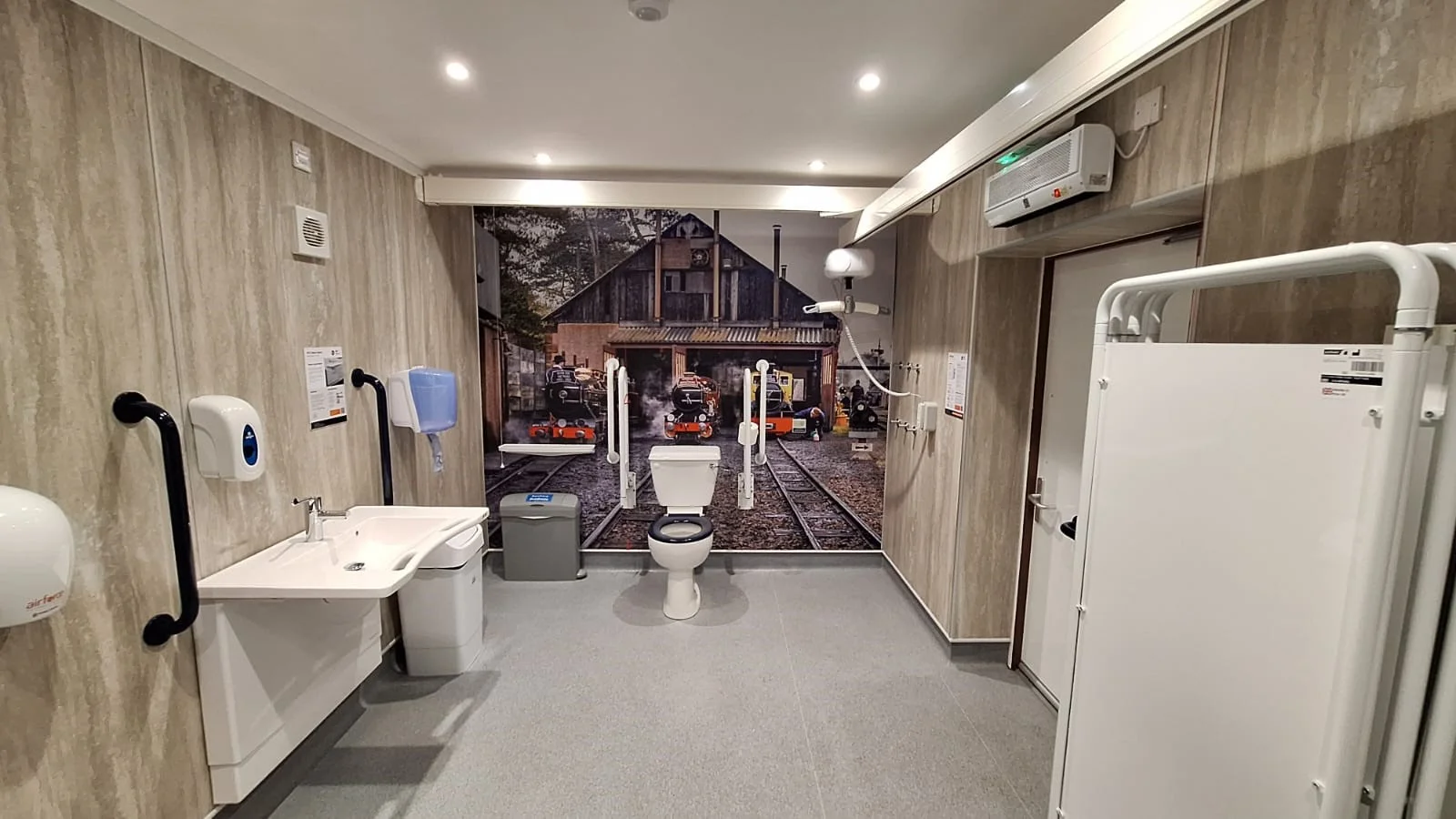
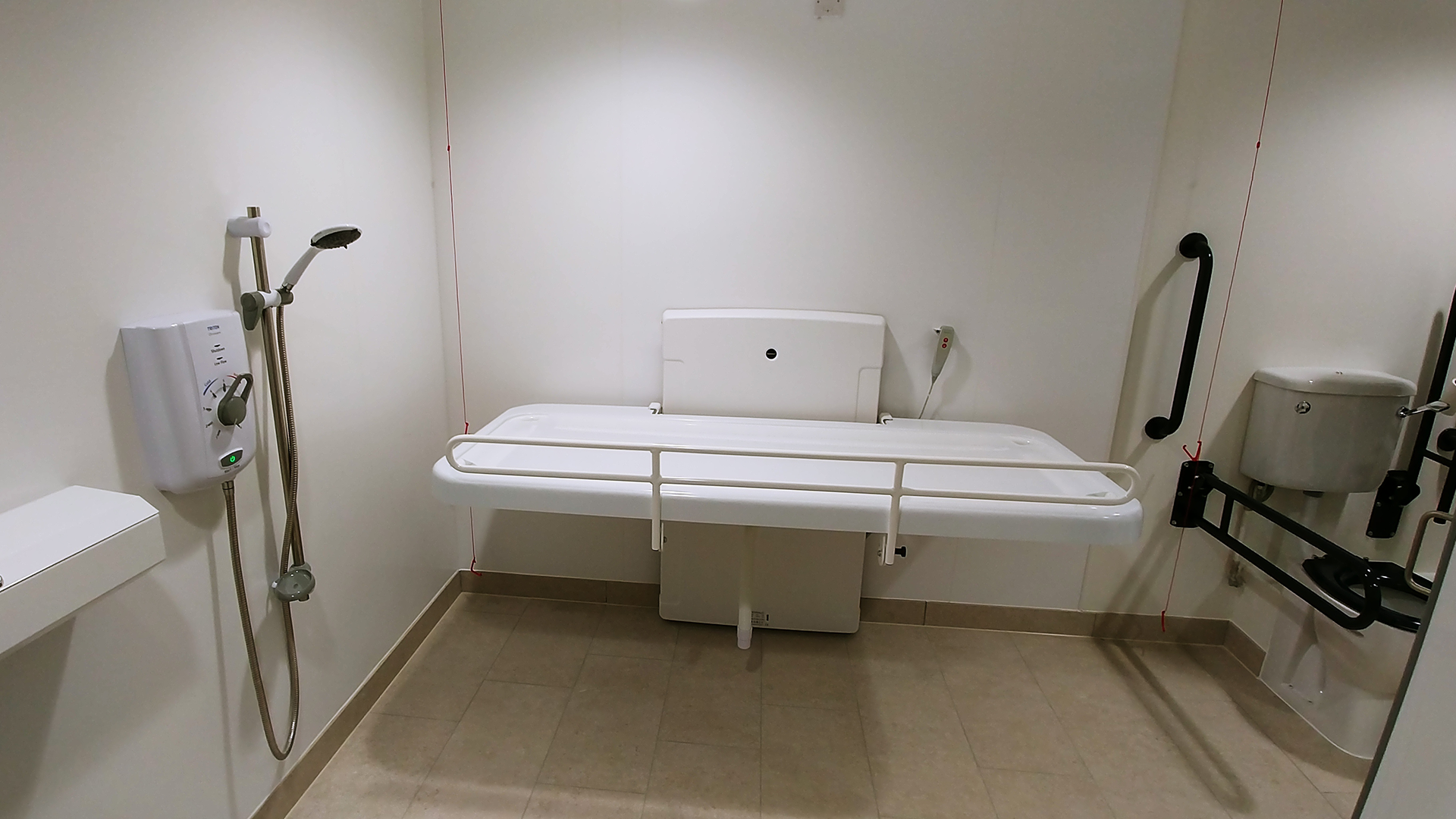
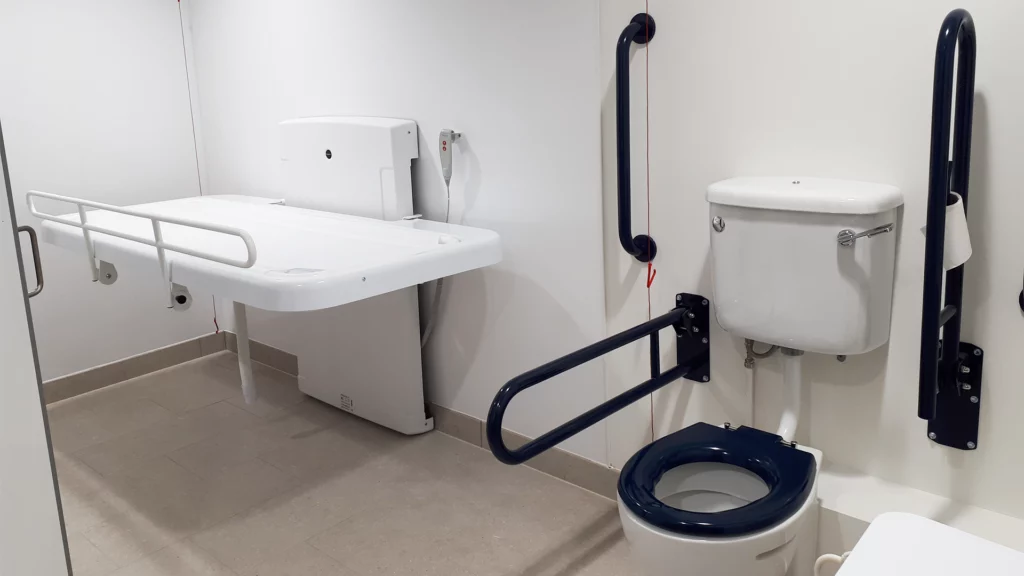
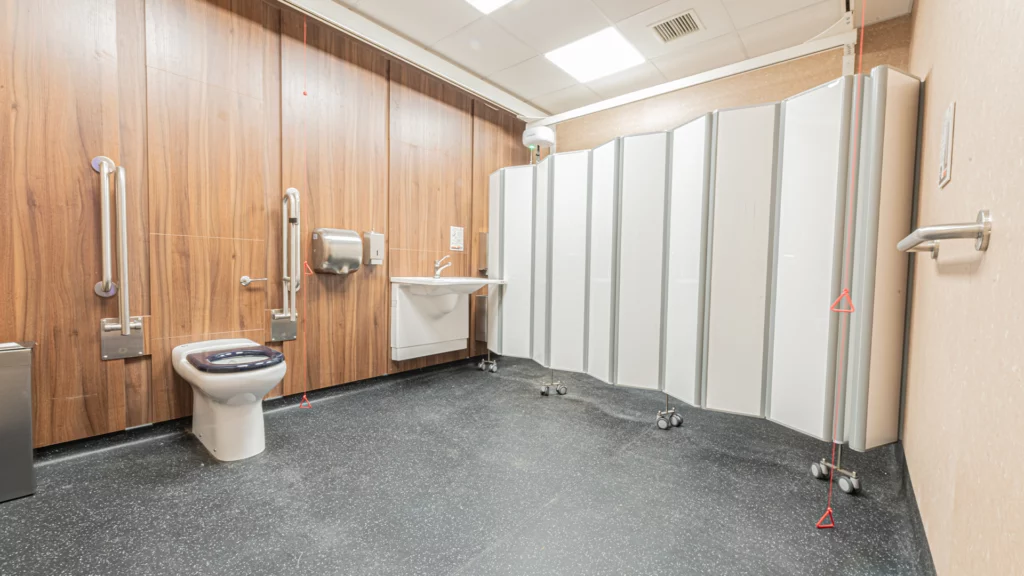
A Changing Places Toilet is a specially designed accessible restroom that provides additional space and equipment for people with complex disabilities who require assistance.
Unlike standard accessible toilets, Changing Places Toilets include features such as a height-adjustable changing bench, a hoist system, and enough space for a disabled person and up to two carers.
These facilities are essential for individuals with profound and multiple learning disabilities, spinal injuries, or other conditions that make standard accessible toilets inadequate.
They are increasingly being installed in public places such as shopping centres, airports, stadiums, and tourist attractions.
The estimated equipment costs range between £20,000 – £25,000, but total costs vary depending on venue-specific factors like building modifications and maintenance.
Venues may choose different security options, including open access, RADAR key systems, or controlled entry via staff.
Yes, there are specific building regulations and accessibility guidelines that venues must follow to ensure compliance.
Building Regulations (England & UK)
– In England, Building Regulations Approved Document M requires Changing Places Toilets to be included in new public buildings such as shopping centers, stadiums, and transport hubs.
– The Equality Act 2010 also mandates reasonable adjustments to ensure accessibility for disabled individuals.
BS 8300-2:2018 Standards
– This British Standard provides detailed guidance on the design and layout of Changing Places Toilets.
– It specifies minimum room dimensions, equipment placement, and manoeuvring space for wheelchair users and carers.