Different uses for ceiling track hoists
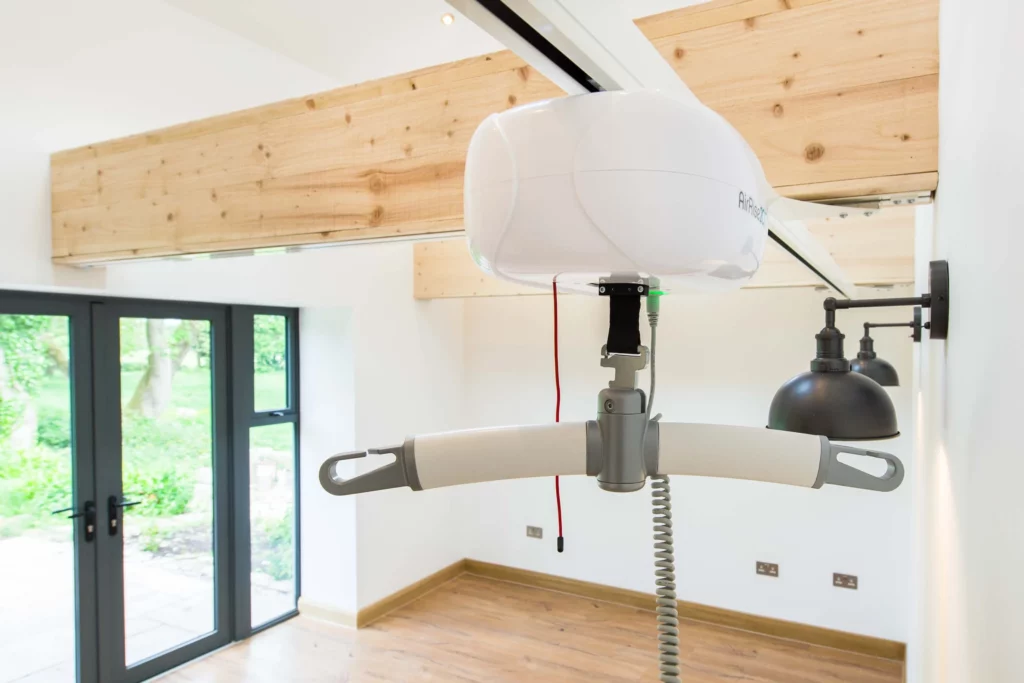
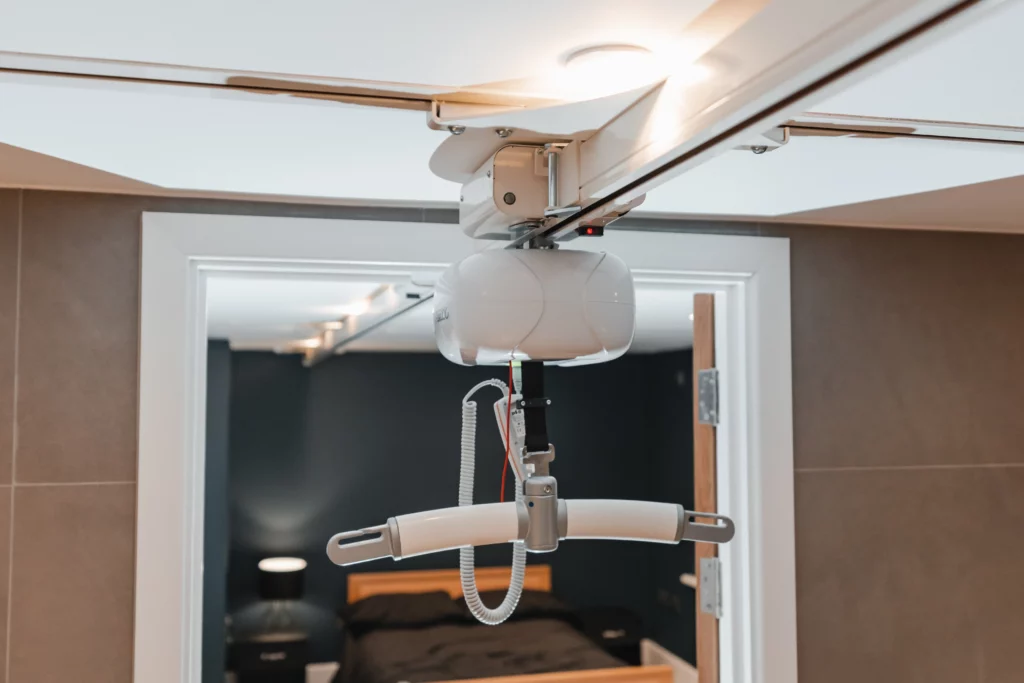
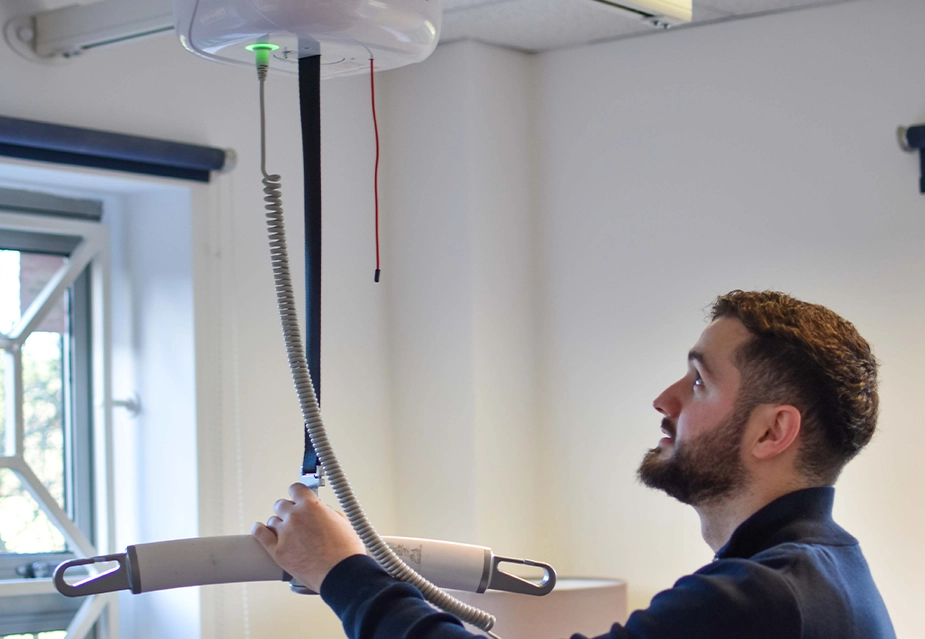
- Patient Transfers: Ceiling track hoists are ideal for moving patients between beds, chairs, and rooms.
- Repositioning: These hoists help reposition patients in bed, aiding in hygiene and comfort.
- Rehabilitation: They support gait training and help build muscle strength and balance in non-ambulant patients.
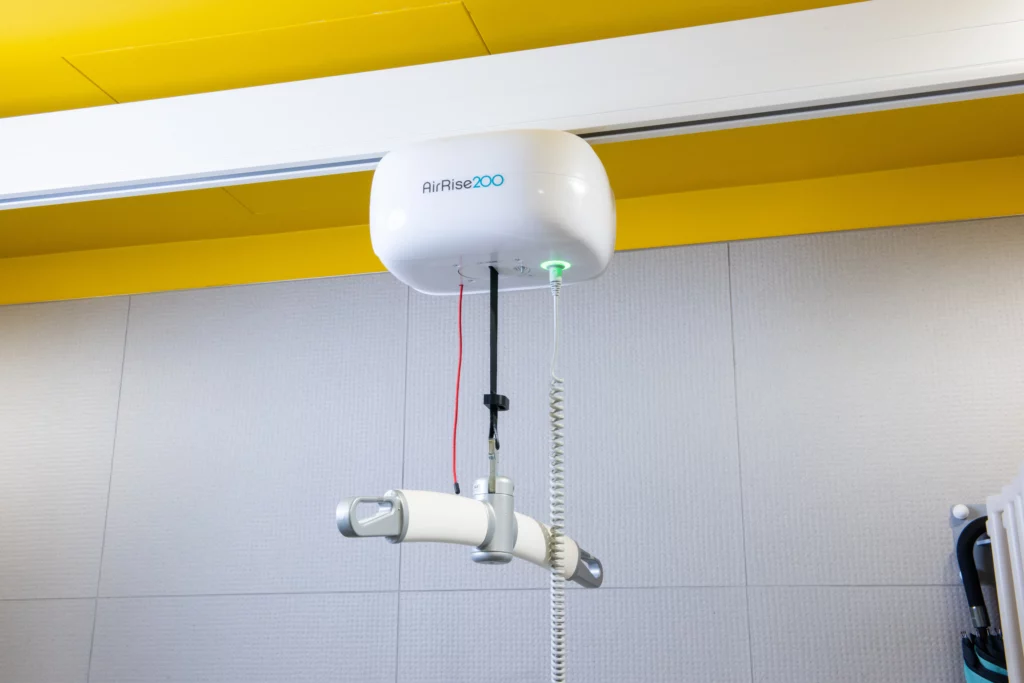
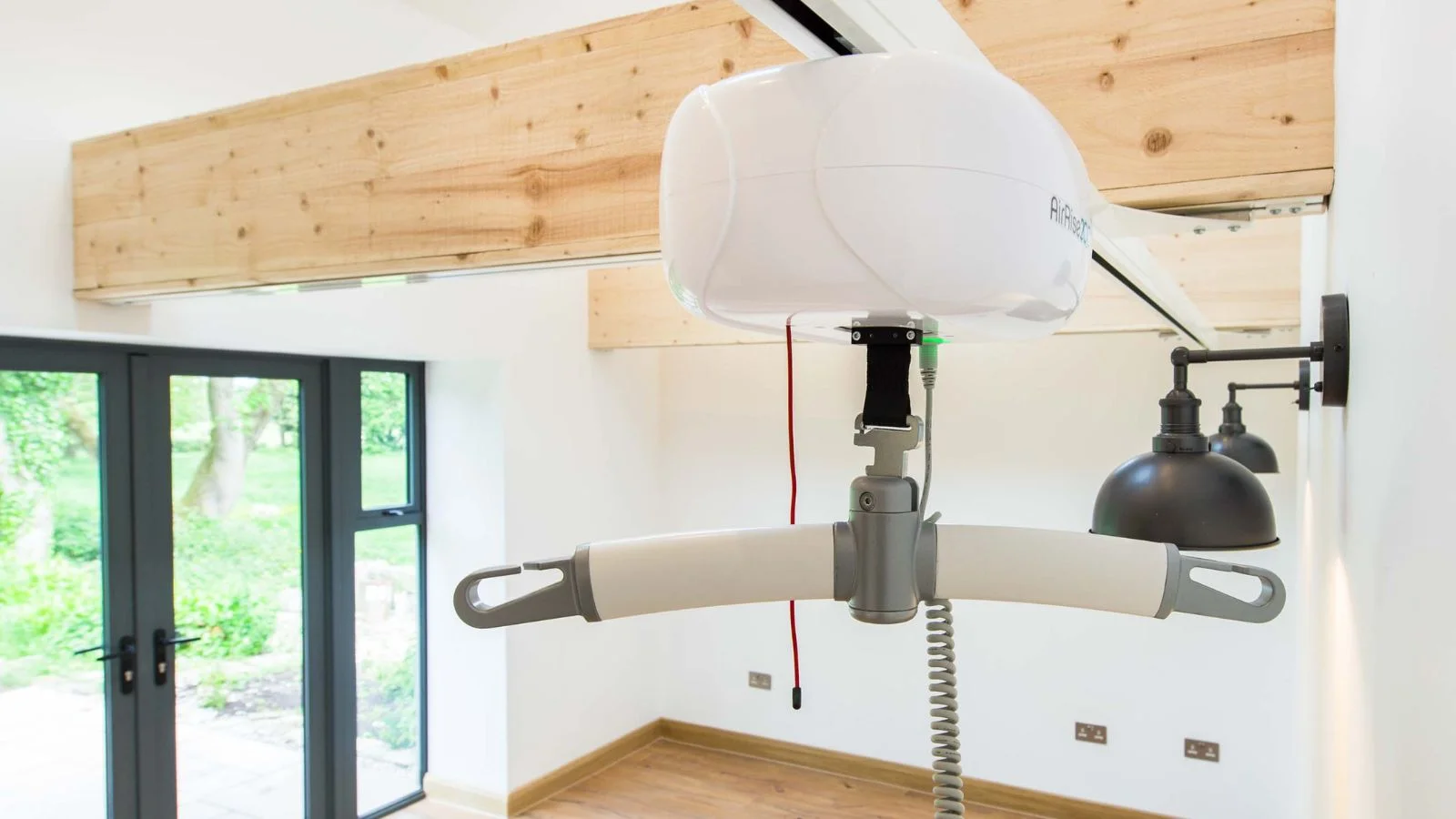
Ceiling track hoists are versatile tools in healthcare, essential for safe and efficient patient handling and movement.
What are the uses of ceiling track hoists in healthcare?
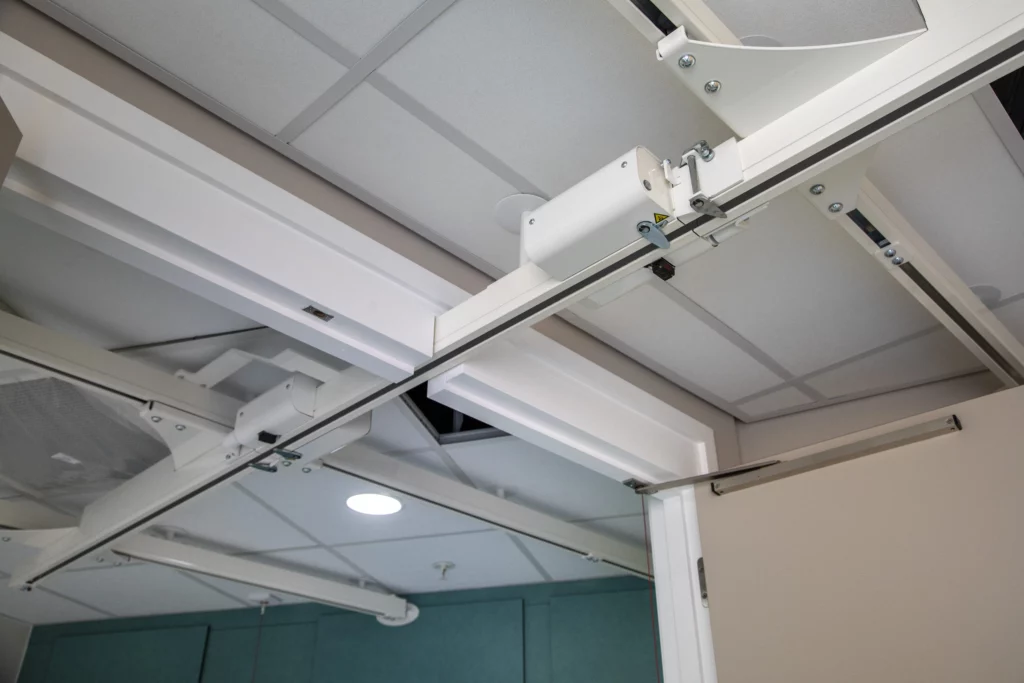
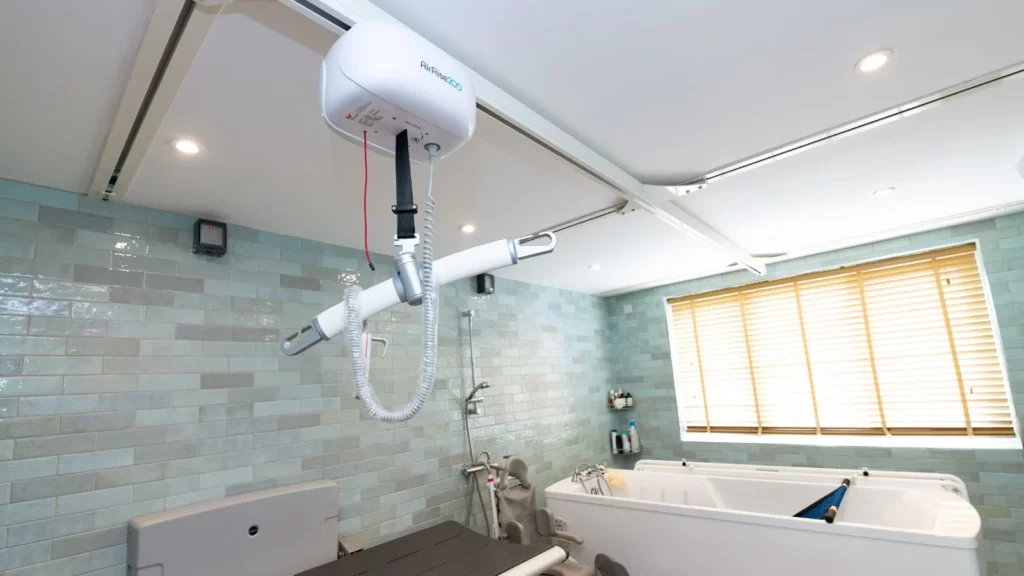
Ceiling track hoists are used for patient transfers, repositioning, and rehabilitation, providing a safe and efficient way to move and support patients in various healthcare settings.
Patient Transfers
One of the primary uses for ceiling track hoists is moving patients from one place to another, such as from a bed to a chair or between rooms. In places like SEN schools, hospitals, and care homes, ceiling track hoists are the safest and easiest way to transfer people.
Repositioning
Overhead hoists are commonly used to reposition people in bed. They help patients roll over and move around if they struggle to do it independently. This is particularly useful for hygiene procedures, ensuring ease and dignity during movement.
Rehabilitation
Ceiling track hoists are also used for rehabilitation, particularly gait training. They help non-ambulant people build muscle strength and balance. With a walking vest/harness attached to the hoist, patients can practice walking safely and stably, minimizing the risk of falling.
Summary
Ceiling track hoists offer endless possibilities for patient care, from transfers to rehabilitation. They are the best solution available for safe, efficient, and dignified patient handling in healthcare environments.