How to Make a Hospice Feel Less Like a Hospital 2025
How to Personalise Hospice Space
An important step in helping to make a hospice feel less like a hospital is by personalising the environment. Hospitals are often stark, impersonal, and functional, but hospice spaces don’t have to be.
Bring in favourite photographs, family heirlooms, personal artwork, and meaningful items. A cosy throw blanket, a well-loved book, or even a scented candle (if permitted) can offer immense comfort. These small, familiar touches help reconnect the individual with their identity, easing feelings of anxiety and disconnection.

Introduce Homely Comforts
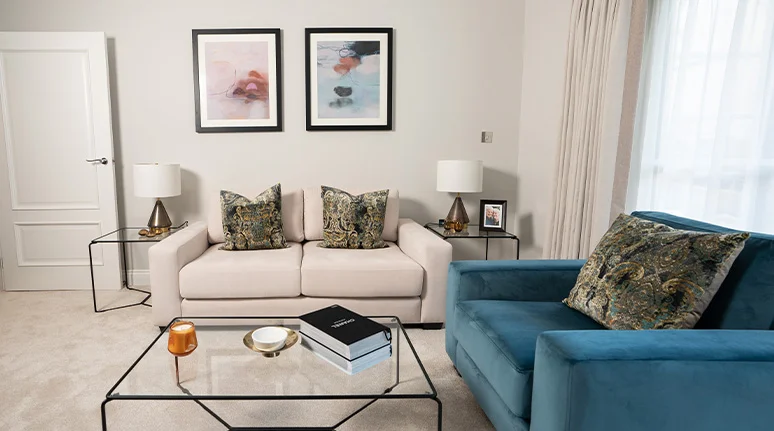
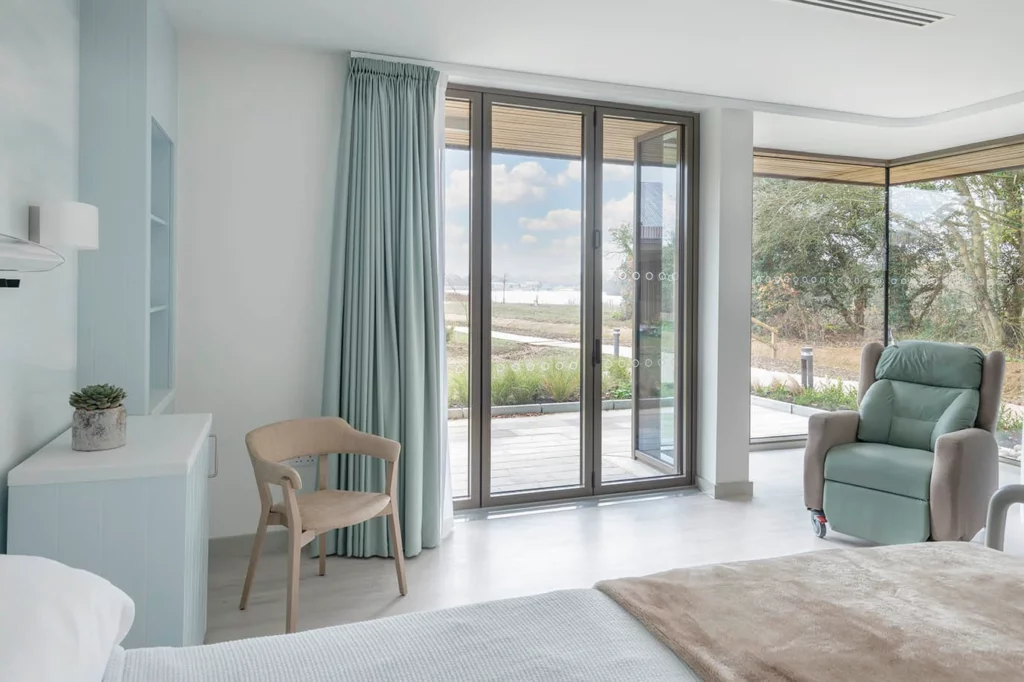
To further distance the setting from a clinical environment, introduce homely comforts. Replace standard-issue furniture (if possible) with soft cushions, armchairs, or side tables. Use warm lighting, such as bedside lamps or fairy lights, instead of harsh fluorescents. There are hospice interior design services specifically to help with this.
Even changing bed linen from the institutional white to softer colours or familiar bedding can help make a hospice feel less like a hospital. These changes can create a soothing, home-like atmosphere, which may be particularly helpful during rest periods or visits from loved ones.
Maintain Familiar Routines and Preferences
Routine can be reassuring, especially during times of uncertainty. Incorporating familiar daily patterns (such as the timing of meals, a preferred morning beverage, a television programme, or a daily phone call with family) can ground patients in the present and reduce stress.
Small gestures that maintain an individual’s lifestyle choices, like allowing them to choose their clothing for the day, decide on meal preferences, or listen to their favourite radio station, can contribute enormously to making hospice care feel less clinical.

Support Emotional and Spiritual Wellbeing
Hospice care encompasses much more than medical treatment; it includes emotional and spiritual support tailored to each person’s values and beliefs.
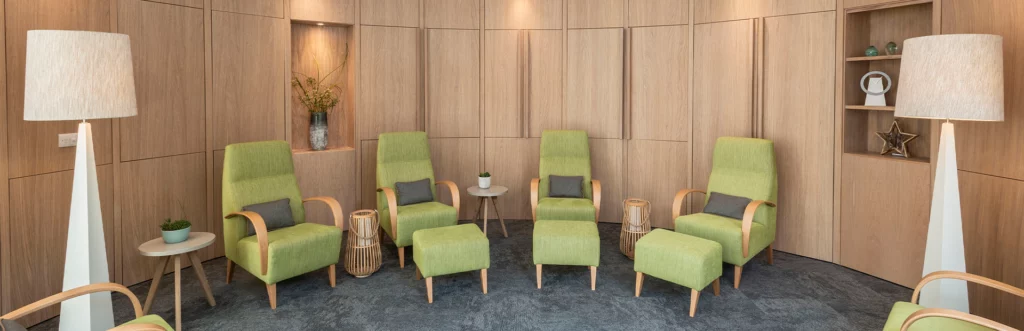
Whether it’s access to a chaplain, spiritual counsellor, or simply a quiet space for reflection, attending to these needs helps make a hospice feel less like a hospital. It reminds both the patient and their family that their experience is about more than medical care, it’s about the whole person and their journey.
Encourage Social Connections
Human connection is fundamental to emotional well-being. Hospices often offer more relaxed visiting hours and a supportive atmosphere for families to gather, reminisce, or simply sit together.
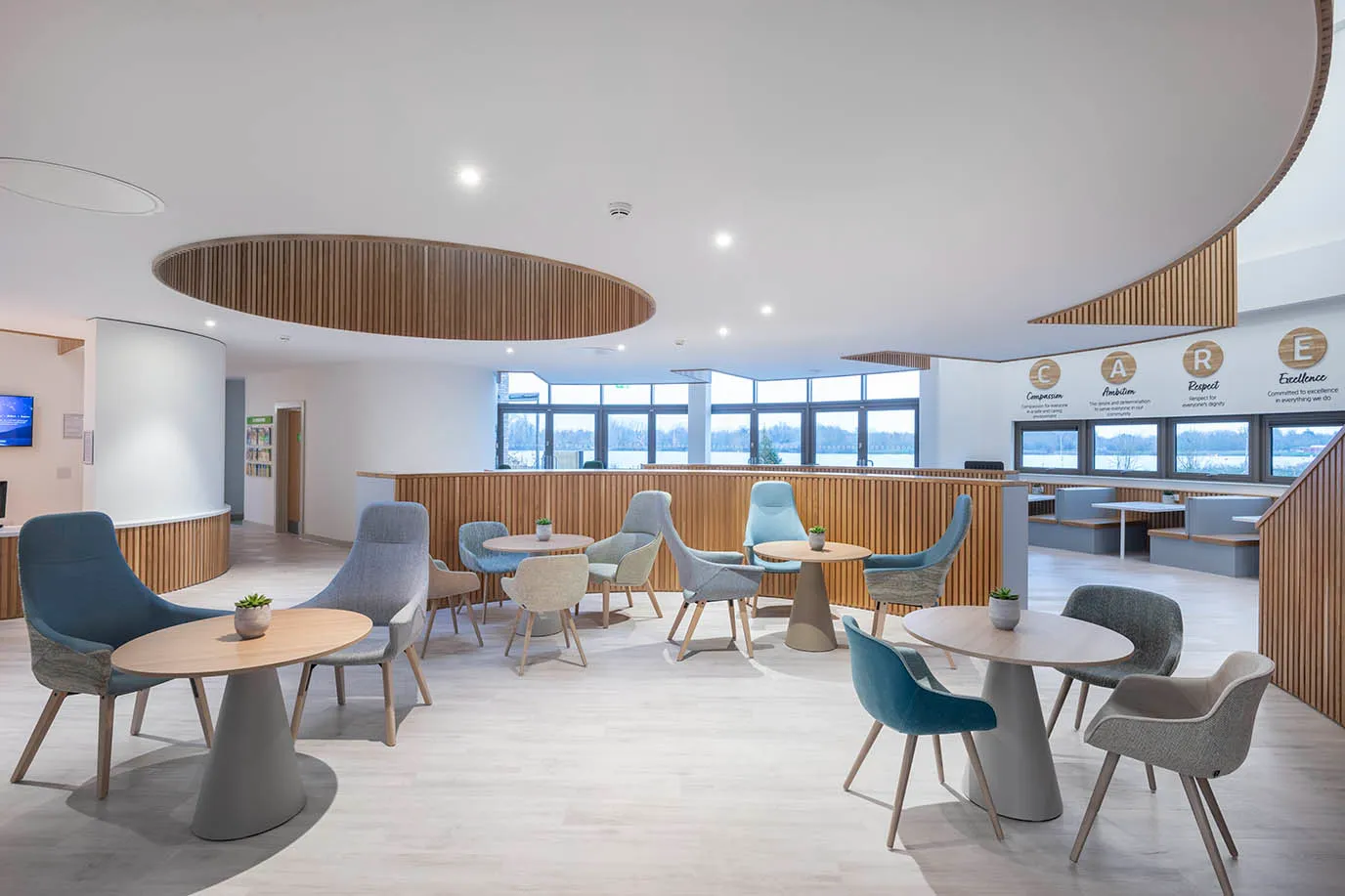
Providing space for these interactions, such as a communal lounge, a private garden, or a family dining area, helps encourage moments of closeness and helps patients feel like they are living, not merely waiting. This compassionate approach can profoundly make a hospice feel less like a hospital, where restrictions and time pressures can often get in the way of connection.
Provide Holistic Therapies
Many hospices offer holistic therapies such as massage, music therapy, reflexology, or art therapy. These treatments not only support physical comfort but also help patients express themselves and manage emotions.
Unlike the often regimented treatments in a hospital, holistic therapies help shift the focus to relaxation, personal care, and enjoyment, key to making a hospice feel like a safe and comforting space.
Focus on Pain and Symptom Management
Hospice teams are experts in palliative care and ensure that pain and symptoms are effectively managed, which is central to their purpose. By prioritising comfort without invasive interventions or unnecessary procedures, hospices uphold dignity and peace.
This compassionate, comfort-first approach contributes to the overall goal to make a hospice feel less like a hospital, where clinical urgency can sometimes overshadow the personal experience.
Design with Nature in Mind
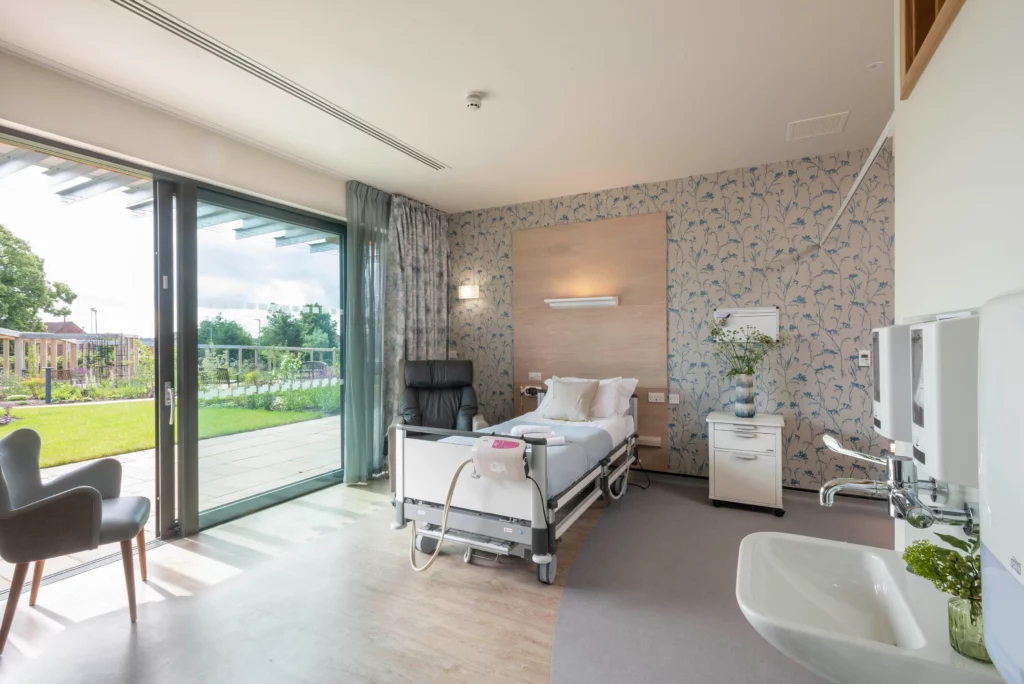
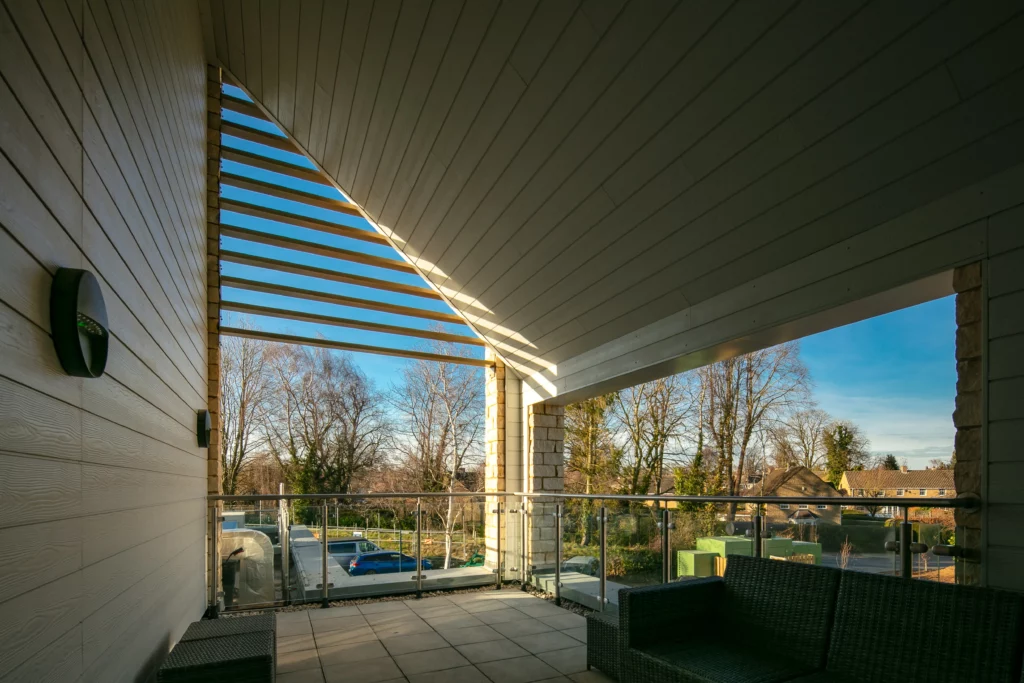
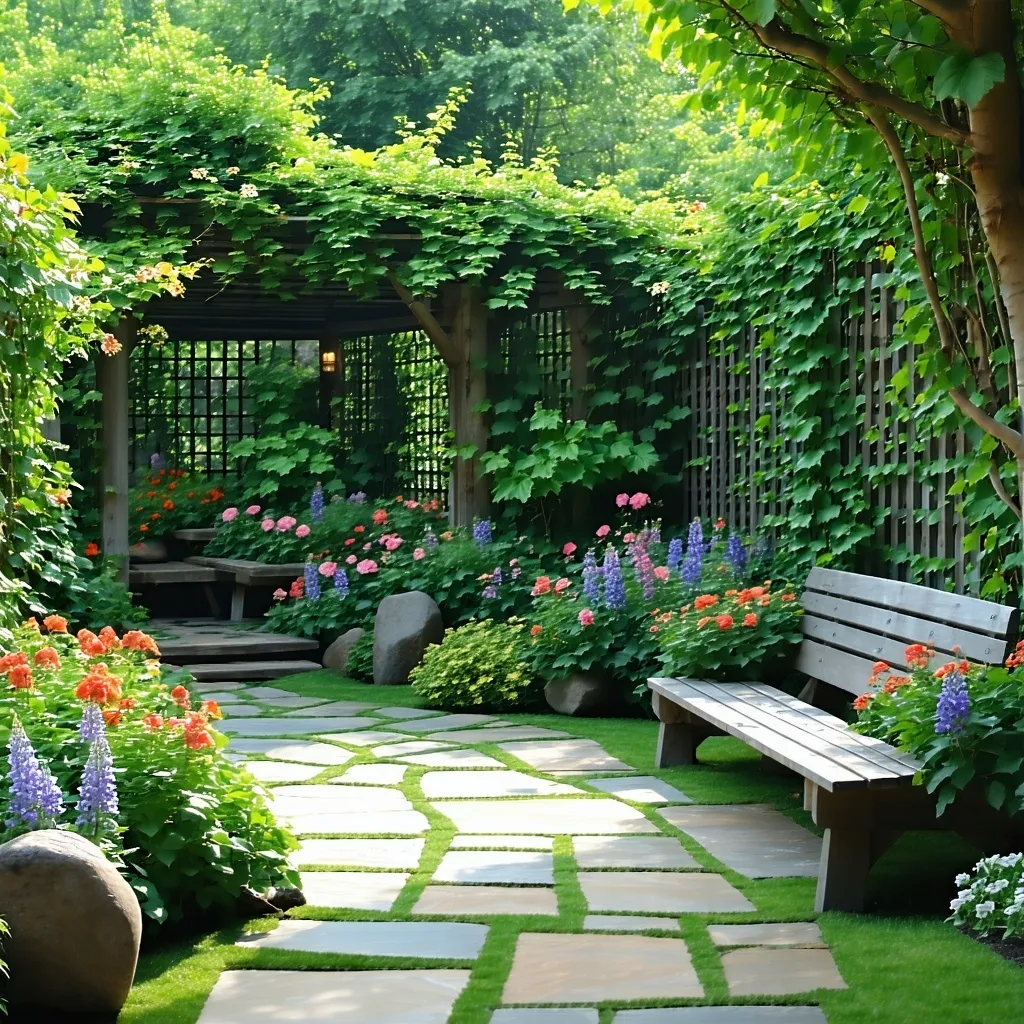
Access to nature, whether through garden spaces, indoor plants, or views of the outdoors, has a proven calming effect. Hospices often include outdoor seating, landscaped gardens, or rooms with large windows, giving patients and visitors a serene environment in which to spend meaningful time together.
Nature serves as a gentle reminder of life’s beauty and continuity, helping to soften the atmosphere and further make a hospice feel less like a hospital.
Conclusion
End-of-life care is a deeply personal journey. By focusing on comfort, individuality, and meaningful connection, we can ensure that hospice environments truly serve the needs of those in their final stages of life.
Making intentional choices, like personalising the space, introducing homely comforts, supporting spiritual and emotional needs, and encouraging social connections, helps make a hospice feel less like a hospital and more like a sanctuary of peace, dignity, and love.
Frequently Asked Questions
How can you make a hospice feel less like a hospital?
Personalise the space with familiar items, create a calming atmosphere, and focus on comfort and routine to make a hospice feel more like home.
What makes a hospice different from a hospital?
Hospices prioritise comfort, dignity, and emotional support rather than curative treatment, with a homely, less clinical setting.
Can families personalise a hospice room?
Yes, families are encouraged to add personal touches like photos, blankets, and decorations to help make the hospice feel less like a hospital.
Do hospices offer emotional and spiritual support?
Absolutely. Hospices provide counselling, spiritual care, and holistic therapies to support the emotional well-being of patients and families.
Why is atmosphere important in hospice care?
A peaceful, familiar environment reduces anxiety and enhances quality of life, helping to make a hospice feel less like a hospital.