Designing out clinicalism in hospice bedrooms
The Role of Colour in Softening Clinicalism
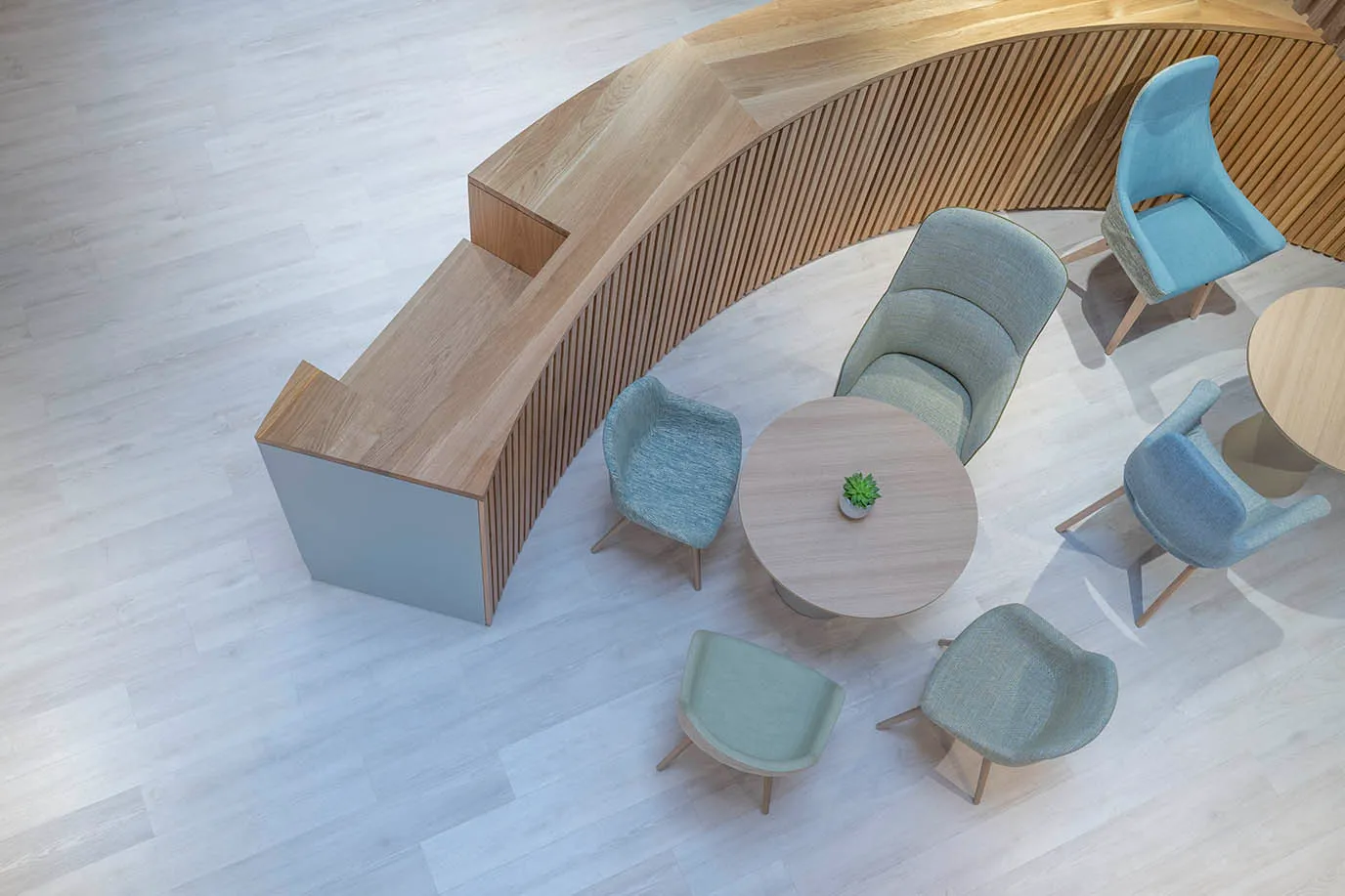
In traditional healthcare settings, sterile white walls and rigid design choices have long dominated. However, this approach often reinforces a sense of impersonality and detachment. In hospice interior design, strategic use of colour is a powerful tool to counteract this effect. Accent colours—drawn from nature or chosen to reflect the organisation’s identity—can transform a space from clinical to comforting.
Elements such as accent walls, soft furnishings, and artwork introduce warmth and personality without compromising hygiene or functionality. Thoughtful design helps tone down clinicalism, creating a more welcoming environment for patients and their loved ones.
Combining Functionality with Familiarity
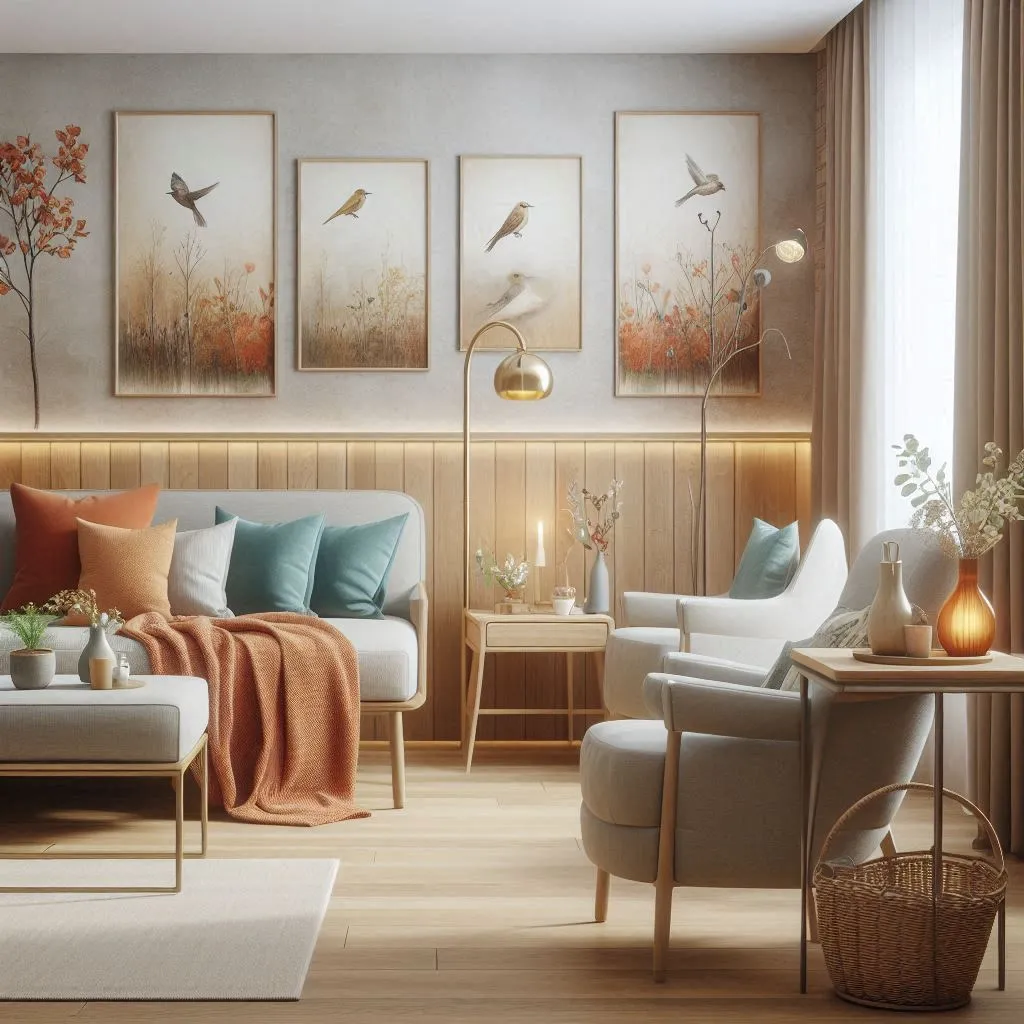
Hospice bedrooms must fulfil a dual purpose: they need to meet strict clinical standards while also providing a peaceful and personal sanctuary for the patient. Innovations in healthcare furniture now allow medical functionality to be seamlessly integrated into aesthetically pleasing designs.
- Care beds can mimic traditional bed frames, with wood-effect finishes and concealed controls.
- Ceiling hoists can be discreetly installed, blending into the décor.
This approach reduces the visual dominance of clinicalism, helping patients feel more at home.
Curating Communal Areas
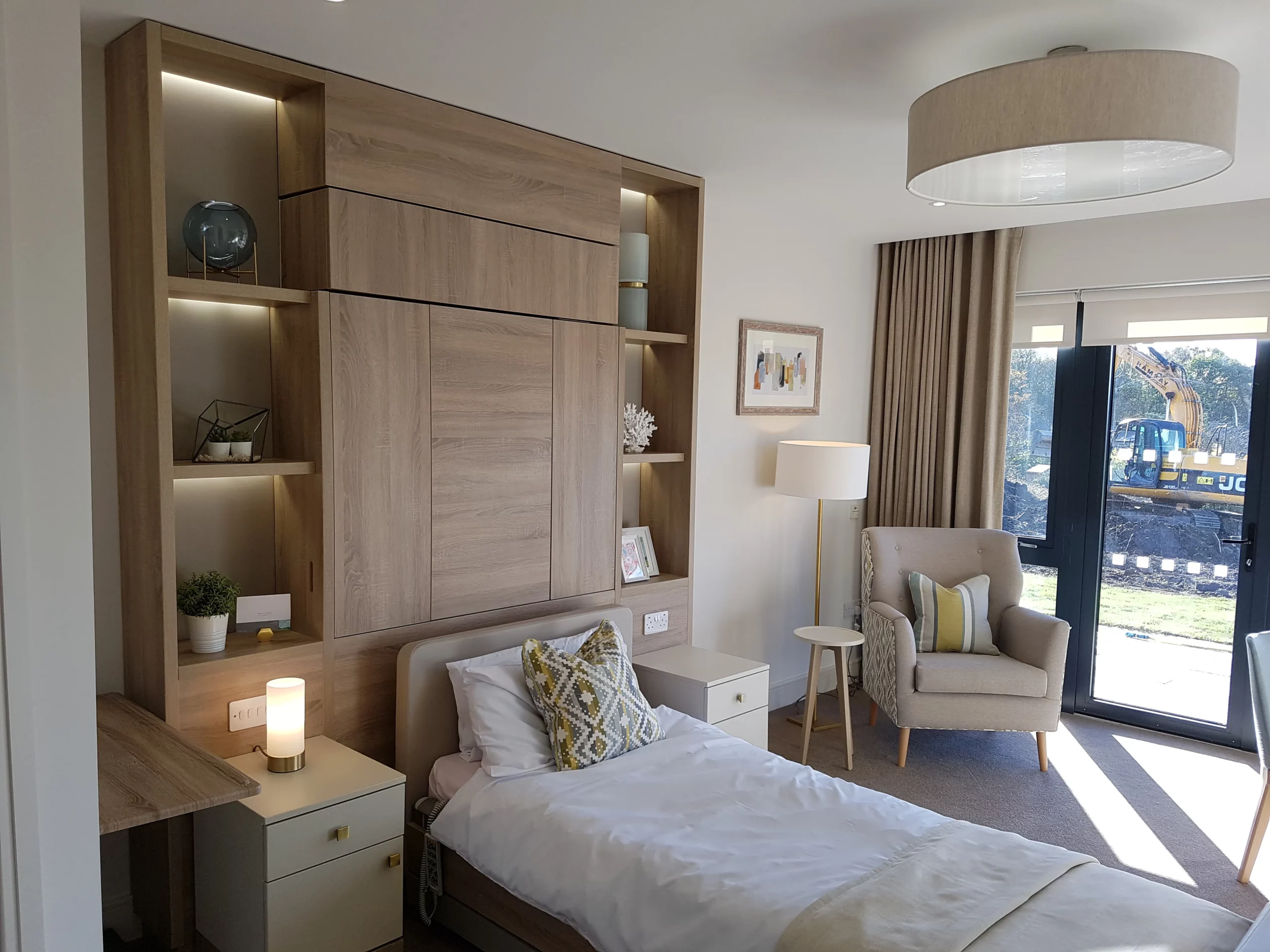
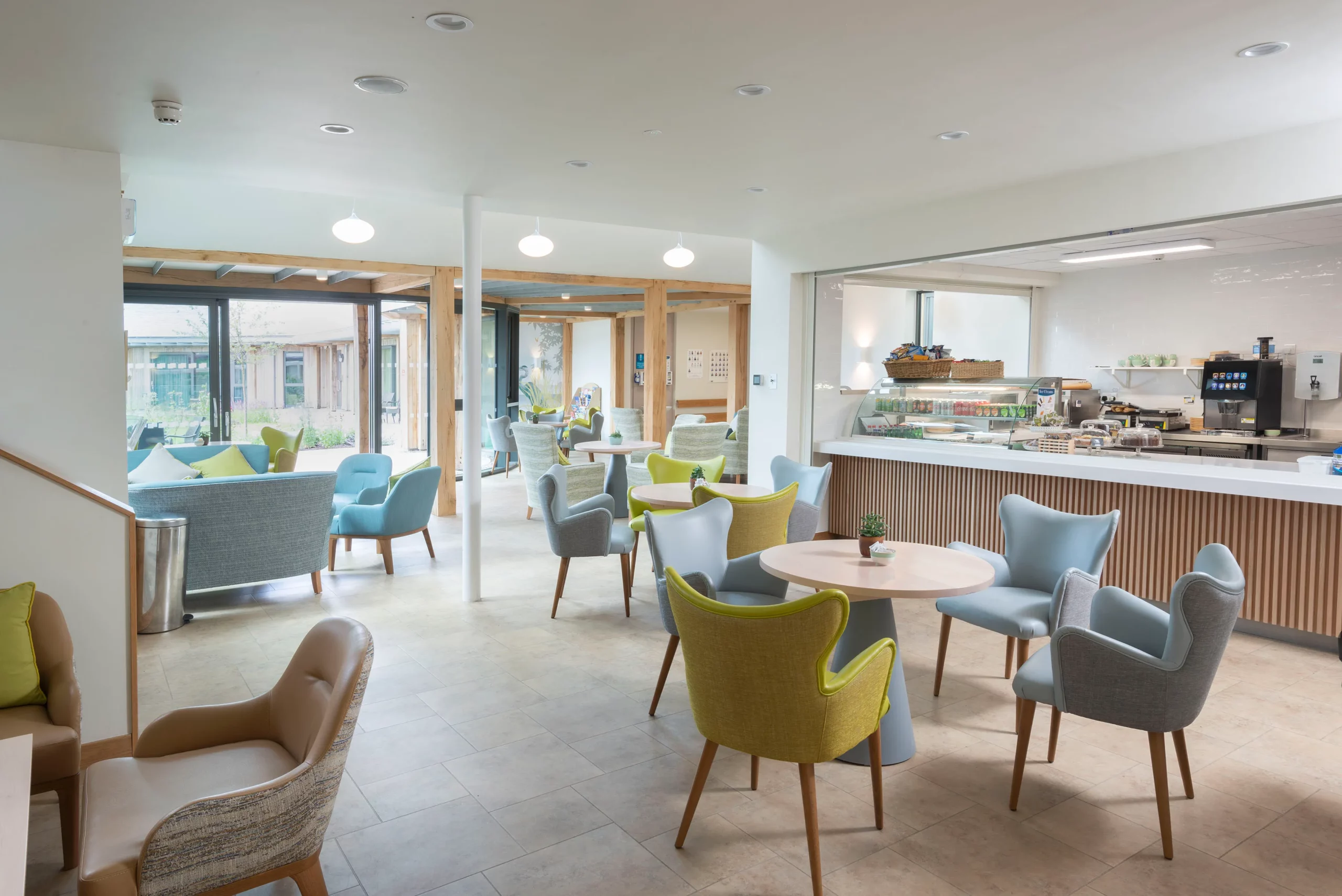
Communal lounges and dining spaces serve as important social hubs within hospices, promoting relaxation and connection. Effective hospice interior design in these areas avoids uniformity.
Instead of furnishing rooms with identical chairs and tables, designers can mix and match styles, using a variety of seating options unified by a cohesive palette or fabric theme. This helps avoid a clinical feel, ensuring spaces remain comfortable and inviting.
Integrating Infection Control
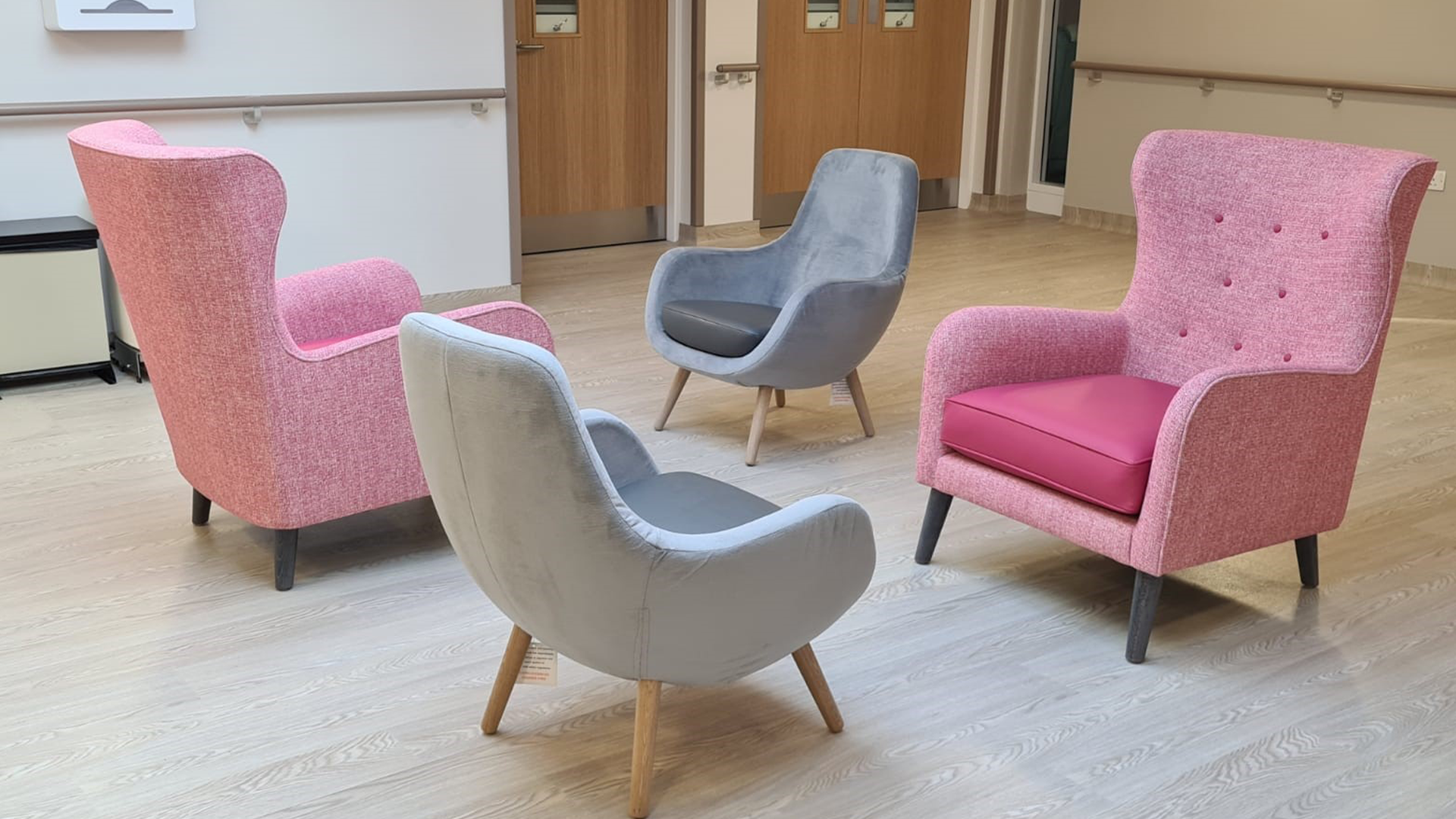
Maintaining infection control in hospice design is essential, but it doesn’t need to compromise aesthetics. Historically, the emphasis on wipe-clean surfaces contributed to a cold, impersonal environment. Today, advancements in materials allow for both hygiene and warmth.
- Antimicrobial upholstery is now available in diverse textures and colours.
- Innovative flooring and wall coverings ensure compliance while enhancing comfort.
These modern solutions help hospices maintain infection control without sacrificing homeliness.
The Psychological Impact of Design in End-of-Life Care
Design goes beyond aesthetics—it influences how individuals feel and interact with their surroundings. Thoughtful hospice interior design provides a sense of control, dignity, and peace, vital in palliative care.
Elements such as natural light, accessible outdoor areas, and personalisation opportunities (e.g., space for family photographs or cherished belongings) reduce clinicalism and affirm the hospice as a place of life and comfort rather than just a place of care.
Conclusion
Ultimately, hospice interior design is about more than aesthetics—it supports patients’ physical, emotional, and psychological well-being while fulfilling healthcare requirements. By carefully navigating the balance between design and clinicalism, hospices can create safe, functional, and profoundly humane environments.
The evolving field of care design shows that beauty and practicality can coexist, even in the most medically demanding settings.
Frequently Asked Questions
What is hospice interior design?
Hospice interior design involves thoughtful planning and furnishing to create spaces that are both comforting and clinically functional for end-of-life care.
How does hospice interior design reduce clinicalism?
Through warm colours, varied furniture styles, and homely décor, hospice interiors soften the stark, impersonal feel associated with clinicalism, making spaces more welcoming.
Can a hospice be both hygienic and homely?
Yes! Modern materials and furnishings allow for high infection control without sacrificing comfort or style, striking the right balance between hygiene and warmth.
Why is interior design important in end-of-life care?
Good design supports emotional well-being, dignity, and comfort, helping patients and families feel more at ease during a difficult time.
What are key elements of effective hospice interior design?
Key elements include soft lighting, natural materials, varied seating, accessible layouts, and discreet medical equipment to reduce visible clinicalism.
Speak to The Experts
Need assistance with product enquiries, general enquiries, or product support? Our phonelines are open 9am - 5pm Monday to Friday. Or, fill out the form for a call back.