Hospice Funding 2025

The Ever-Growing Need for Hospices
For years, hospices have operated under significant financial strain, with only around one-third of their funding coming from the NHS. The rest has traditionally relied on community fundraising and charitable donations. This imbalance has caused service reductions and even closed some hospice beds. The Hospice Funding 2025 pledge acknowledges these pressures and seeks to alleviate them by focusing not only on core services but also on improving facilities and infrastructure.
However, modernising buildings alone isn’t enough. Equipping these spaces with the right tools and technology is just as critical. That’s where hospice equipment and innovative care environments come into sharp focus.

Does Hospice Equipment Really Matter?
As the population ages and the number of people requiring end-of-life care rises, hospices need to be equipped to provide clinical support that is both functional and dignified. Palliative care is not just about comfort; it’s about safety, accessibility, and humane and practical support for both patients and caregivers.
Hospice equipment plays an integral role in achieving this balance. The right equipment can reduce physical strain on staff, increase patient autonomy, and create more homelike, less clinical environments. In recent years, hospice design has moved beyond basic hospital beds and wheelchairs, embracing intelligent technologies and designs that promote well-being.
Here are just a few categories of hospice equipment that are essential:
- Profiling beds that adapt to patient needs, reducing the risk of pressure injuries and allowing greater independence.
- Hoists and transfer aids to ensure safe movement of patients, minimising injury risks for both patients and caregivers.
- Anti-ligature and hygiene-conscious furniture, offering dignity and safety without compromising design.
- Adjustable lighting, ceiling track systems, and quiet medical trolleys to reduce noise and stress.
- Smart monitoring systems that alert staff discreetly, avoiding intrusive alarms and preserving patient rest.
By integrating this equipment in their facilities, hospices can better meet the emotional and physical needs of patients and families, aligning with the broader goals of the Hospice Funding 2025 initiative.
Investing in People and Places
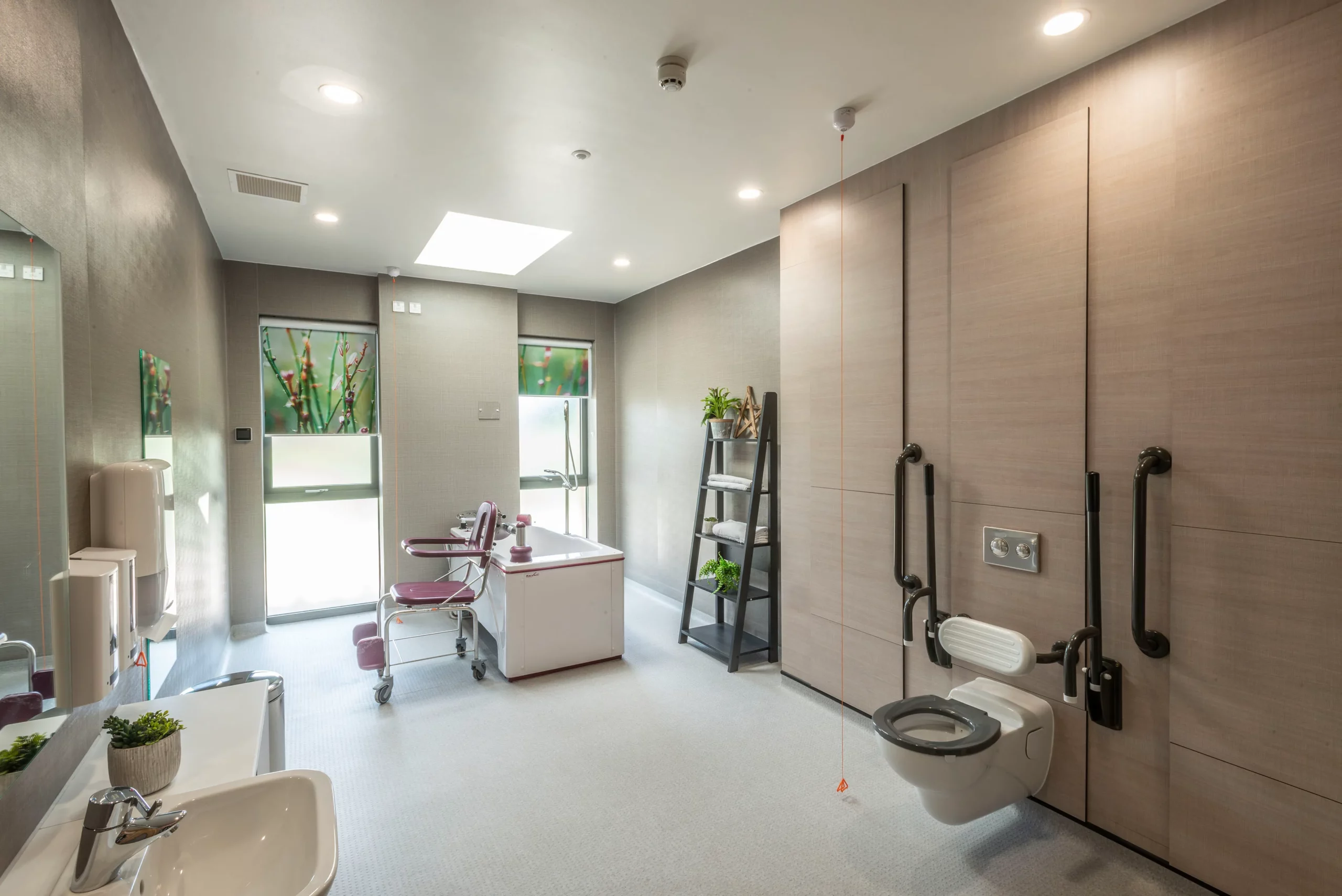
The Hospice Funding 2025 initiative isn’t just about bricks and mortar – it’s about dignity. It’s about ensuring that when someone’s life draws to a close, they are surrounded by compassionate care in a space designed with thought, sensitivity, and innovation. Upgrading hospice infrastructure must go hand in hand with upgrading the tools and systems that make palliative care safe, personal, and effective.
As the funding begins to reach hospices across the UK, providers now have a rare opportunity to rethink how their environments support care, both in terms of aesthetics and medical function. Investing in high-quality, purpose-built equipment will be key to achieving the government’s vision for modern, equitable, and sustainable hospice services.

Looking Ahead
Hospice Funding 2025 represents more than just financial support; it’s a national commitment to the values of compassion, dignity, and human-centred care. With the right partnerships and investments in equipment and infrastructure, the UK hospice sector is poised to enter a new era.
As we look ahead, embracing innovation in both design and technology will be essential to turning Hospice Funding 2025 into a long-lasting impact. Patients deserve nothing less – and now, finally, the sector has the chance to deliver.
If you’re looking for more information or support on hospice equipment, then get in touch with our team for a quick chat.
Frequently Asked Questions About Hospice Funding 2025
What is Hospice Funding 2025?
Hospice Funding 2025 is a £100 million initiative by the UK Government to support adult and children’s hospices. This funding aims to upgrade facilities, improve equipment, and ensure the delivery of high-quality end-of-life care. By addressing critical infrastructure and resource gaps, the initiative seeks to enhance the overall hospice experience for patients, families, and caregivers.
How will the 2025 hospice funding be used?
The funding will be allocated to a range of essential upgrades and improvements, including:
- Refurbishing hospice facilities to create more welcoming and functional environments
- Investing in advanced hospice equipment to improve patient care and safety
- Upgrading IT systems to streamline operations and enhance communication
- Improving patient environments to ensure dignity, comfort, and accessibility
These investments will help hospices deliver more compassionate, effective, and dignified care to those in need.
Why is hospice equipment important in palliative care?
Modern hospice equipment plays a vital role in palliative care by:
- Enhancing patient comfort and dignity through features like adjustable beds and supportive seating
- Improving safety for both patients and caregivers with tools like hoists and anti-slip flooring
- Streamlining caregiving tasks, allowing staff to focus on providing compassionate care
- Supporting holistic care approaches, ensuring physical, emotional, and psychological needs are met
By integrating the right equipment, hospices can create safe, efficient, and nurturing environments for end-of-life care.
Who provides hospice equipment in the UK?
Hospice equipment in the UK is supplied by specialist providers such as Innova Care Concepts. These companies offer:
- Innovative solutions like adjustable beds, hoists, and pressure-relief mattresses
- Customised patient room designs tailored to the unique needs of palliative care environments
- Comprehensive support services, including installation, maintenance, and staff training
Providers like Innova ensure that hospices have access to the latest technology and tools to deliver exceptional care.
Which hospices will benefit from Hospice Funding 2025?
Hospices across England will benefit from the funding, with allocations determined by:
- Need – Prioritising hospices that require urgent upgrades or equipment
- Readiness – Ensuring hospices are prepared to implement improvements effectively
- Alignment with NHS and Department of Health priorities – Supporting projects that enhance patient care and operational efficiency
This targeted approach ensures that the funding has the greatest impact on improving hospice services nationwide.






Speak to The Experts
Need assistance with product enquiries, general enquiries, or product support? Our phonelines are open 9am - 5pm Monday to Friday. Or, fill out the form for a call back.