What Are HBN and HTN Standards in Healthcare Construction?

Healthcare environments are among the most complex buildings to design and deliver. Unlike standard commercial projects, they must meet strict clinical, safety, and operational requirements. In the UK, these requirements are primarily defined by Health Building Notes (HBNs) and Health Technical Memoranda (HTMs).
Understanding these standards is essential for architects, contractors, and project teams involved in healthcare construction.
What Are HBN and HTM Standards?
Health Building Notes (HBNs) provide guidance on the design and planning of healthcare buildings, including room layouts, spatial requirements, and functional relationships.
Health Technical Memoranda (HTMs) focus on the technical and engineering systems within healthcare environments, such as ventilation, medical gas systems, water safety, and electrical infrastructure.
Together, they ensure healthcare facilities are:
- Safe for patients and staff
- Operationally efficient
- Compliant with NHS expectations
Source:
https://www.england.nhs.uk/estates/health-building-notes/
https://www.england.nhs.uk/estates/health-technical-memoranda/
Why Are HBN and HTM Standards Important?
HBNs and HTMs are critical because they directly impact:
1. Patient Safety
Healthcare buildings must support infection control, safe movement, and clinical procedures. These standards ensure environments are designed to minimise risk.
2. Operational Efficiency
Layouts defined in HBNs ensure departments function effectively, reducing travel distances and improving workflows.
3. Compliance and Approval
NHS Trusts and healthcare projects are expected to align with these standards. Failure to do so can result in redesign, delays, or non-approval.
What Do HBNs Cover?
HBNs focus on the design and layout of healthcare environments, including:
- Room sizes and spatial requirements
- Department planning (e.g. wards, theatres, outpatient areas)
- Accessibility and patient flow
- Functional relationships between spaces
Example:
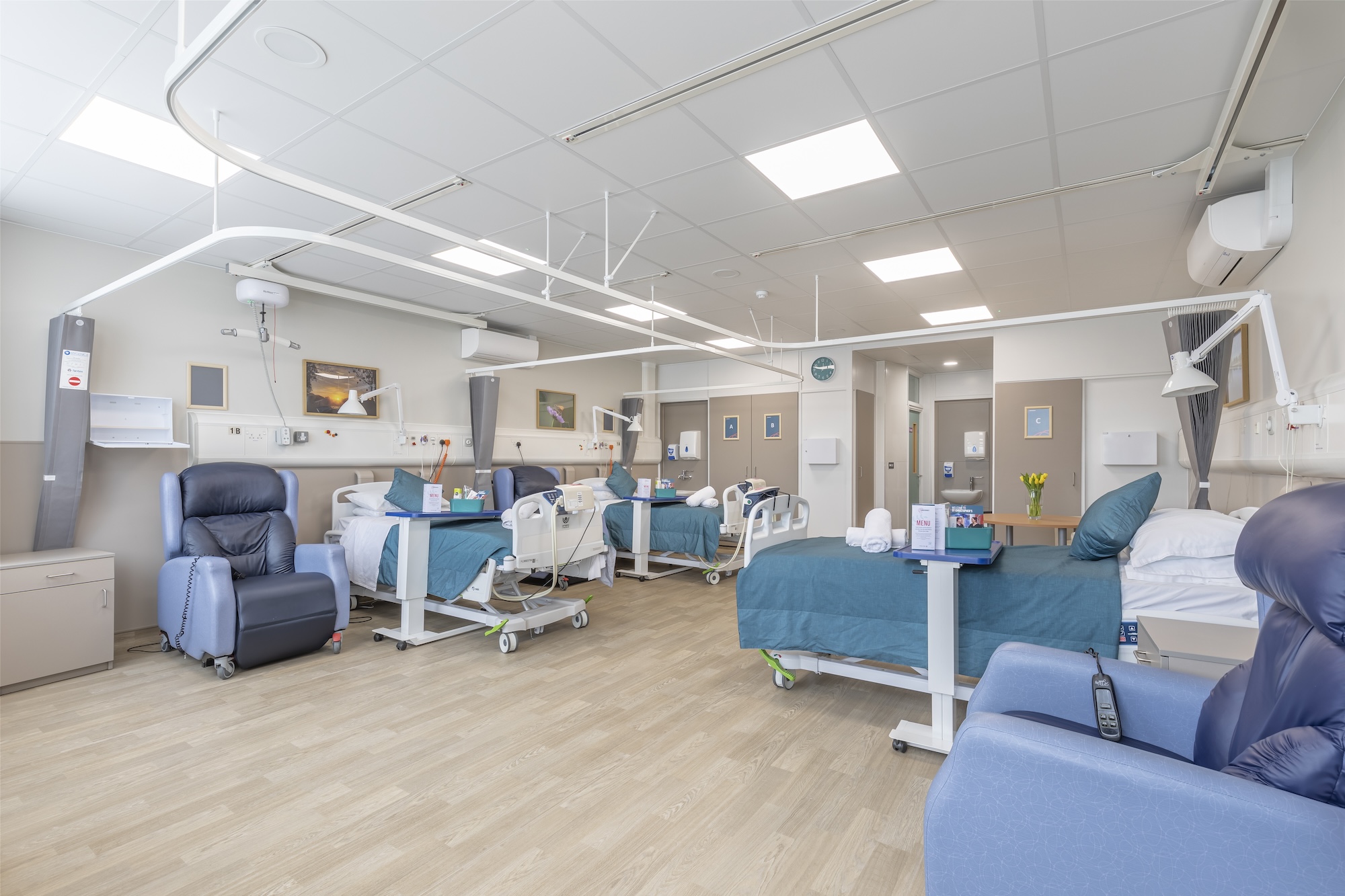
An HBN for inpatient wards will define:
- Bed spacing
- Circulation areas
- Storage requirements
- Staff workflow considerations
What Do HTMs Cover?
HTMs focus on technical performance and systems, including:
- Ventilation and air quality (HTM 03)
- Water systems and legionella control (HTM 04)
- Medical gas pipeline systems (HTM 02)
- Electrical safety and resilience (HTM 06)
These are critical for ensuring:
- Clinical safety
- System reliability
- Regulatory compliance
When Should HBN and HTM Standards Be Applied?
HBN and HTM standards should be considered at the earliest stages of design, ideally during:
- Concept design
- Spatial planning
- Technical design development
Late consideration often leads to:
- Redesign
- Increased costs
- Programme delays

Common Challenges in Applying HBN and HTM Standards
Many projects struggle with:
Coordination Across Systems
Multiple systems must align with both HBN (layout) and HTM (technical) requirements.
Design Clashes
Without early integration, systems such as hoists, hygiene equipment, and MEP services can conflict.
Interpretation of Guidance
HBNs and HTMs are detailed and require specialist understanding to apply correctly.
How to Ensure Compliance in Practice
Successful projects typically:
- Integrate specialist systems early
- Coordinate across disciplines (architectural, MEP, specialist equipment)
- Work with experienced providers who understand healthcare environments
- Align layouts and systems from concept stage
Key Takeaway
HBN and HTM standards are not just guidance documents. They are fundamental to delivering safe, compliant, and functional healthcare environments.
Projects that consider them early and coordinate effectively are far more likely to:
- Stay on programme
- Avoid costly redesign
- Deliver environments that work in practice
Speak to The Experts
Need assistance with product enquiries, general enquiries, or product support? Our phonelines are open 9am - 5pm Monday to Friday. Or, fill out the form for a call back.