Hospice Bedroom Design Ideas
Choose a Calming Colour Scheme
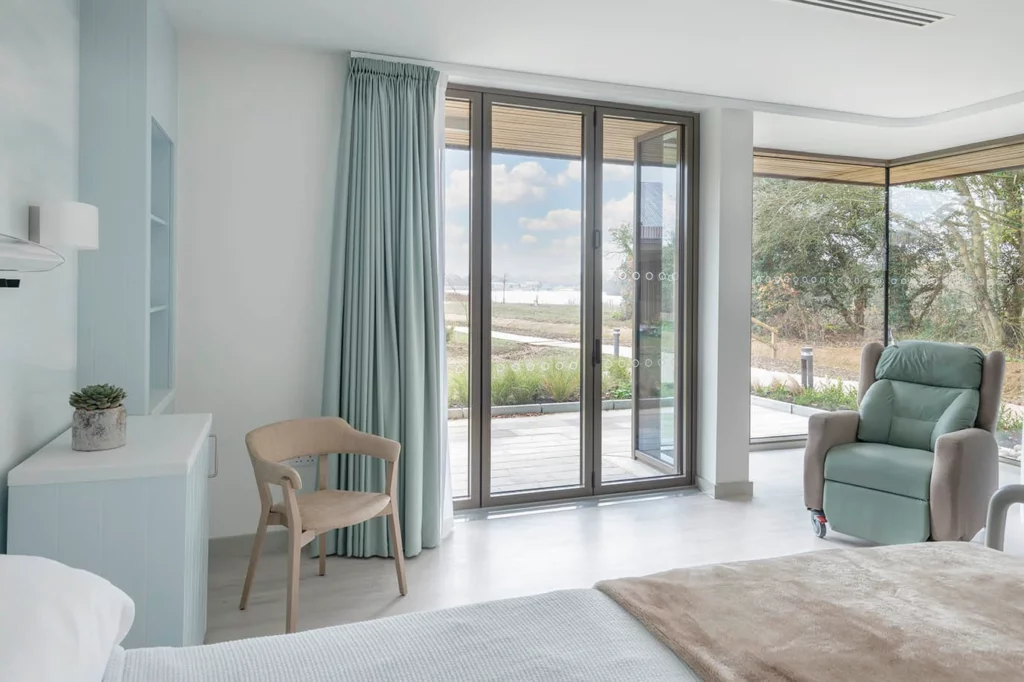
Colour psychology plays an important role in creating a serene environment. In hospice bedroom design, gentle tones such as soft blues, sage greens, warm neutrals, and pastel lavenders can significantly reduce anxiety and promote relaxation. These shades reflect natural elements like the sky and earth, providing a subconscious connection to peace and stability.
Avoid stark whites or overly bright colours, which may feel clinical or overwhelming. Instead, lean into warm undertones that evoke a sense of calm and warmth. Wall colours, curtains, bedding, and décor should all work together harmoniously to reinforce tranquillity.
Make the Room Feel Like Home
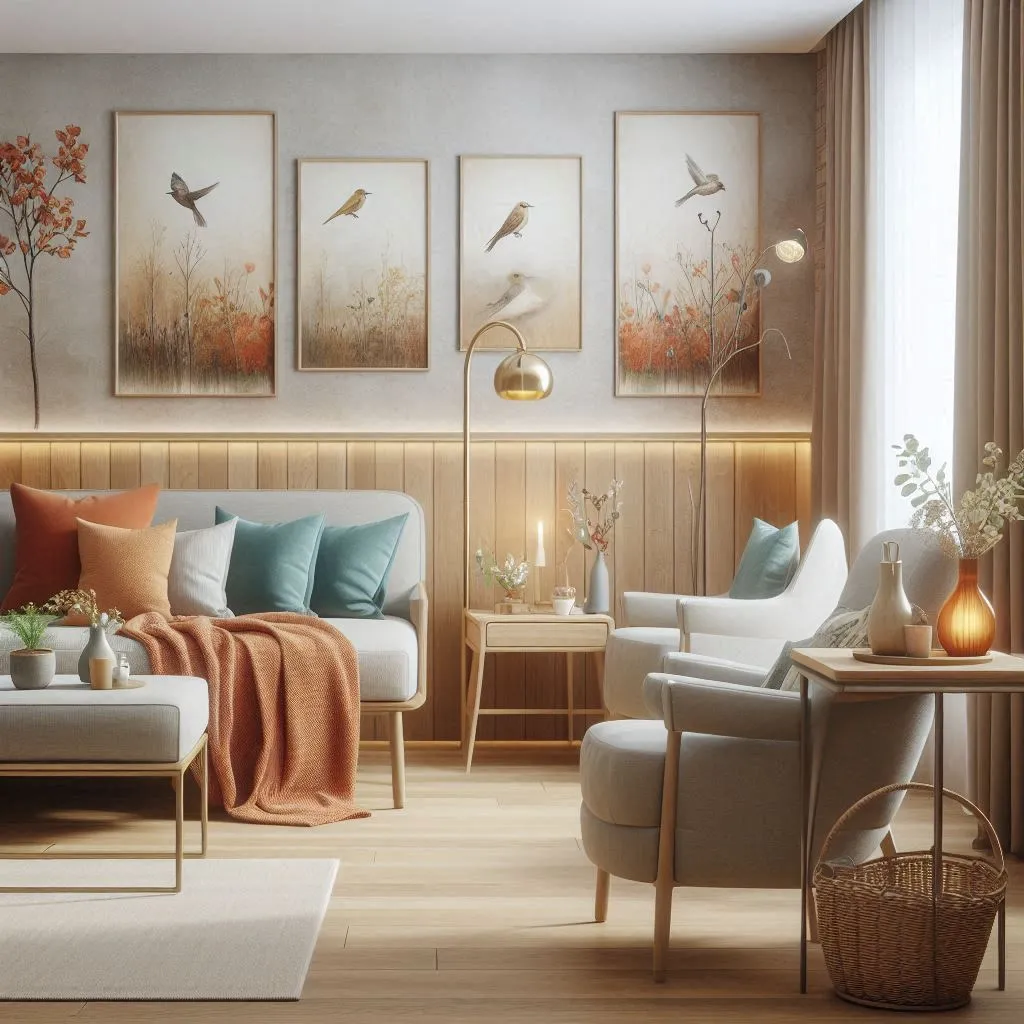
One of the most impactful aspects of thoughtful hospice bedroom design is the ability to personalise the space. Clinical environments can feel impersonal, so it’s important to add familiar and comforting touches.
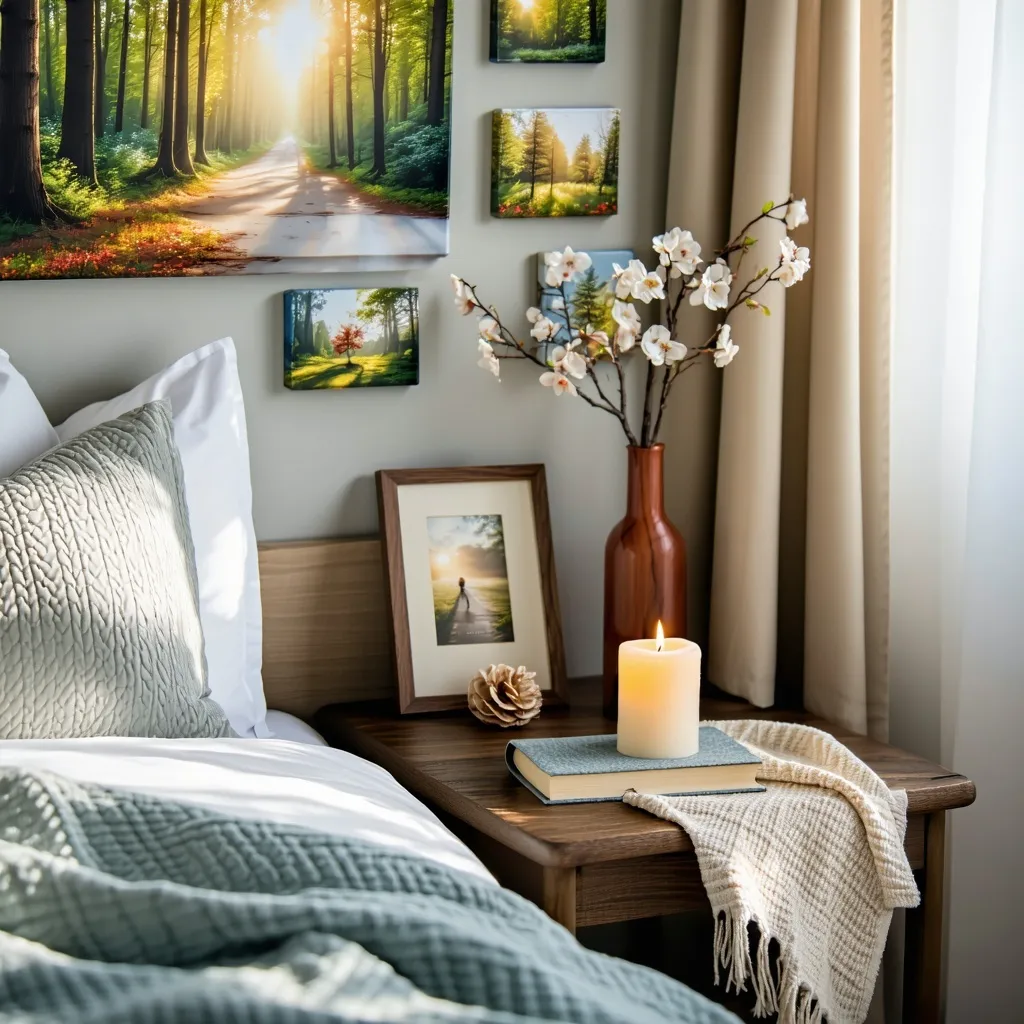
Encourage patients and their families to bring items from home: framed photos, a favourite blanket, artwork, or even familiar books. These personal items offer emotional grounding and help patients feel surrounded by love and familiarity, reducing the stress of being in an unfamiliar setting.
Select Comfortable, Homelike Furniture
Furniture in a hospice setting should prioritise comfort without sacrificing aesthetics. While medical functionality is important, modern hospice bedroom design strives to avoid overly clinical appearances.
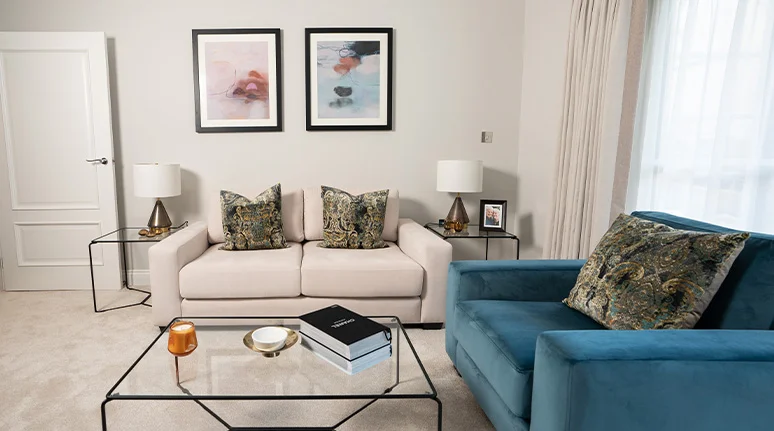
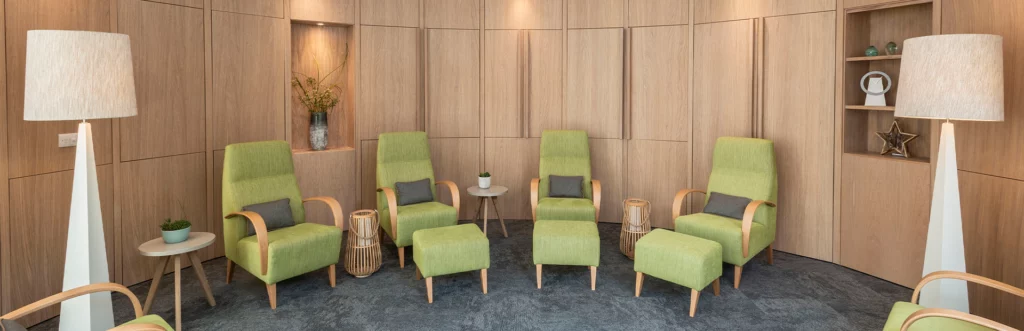
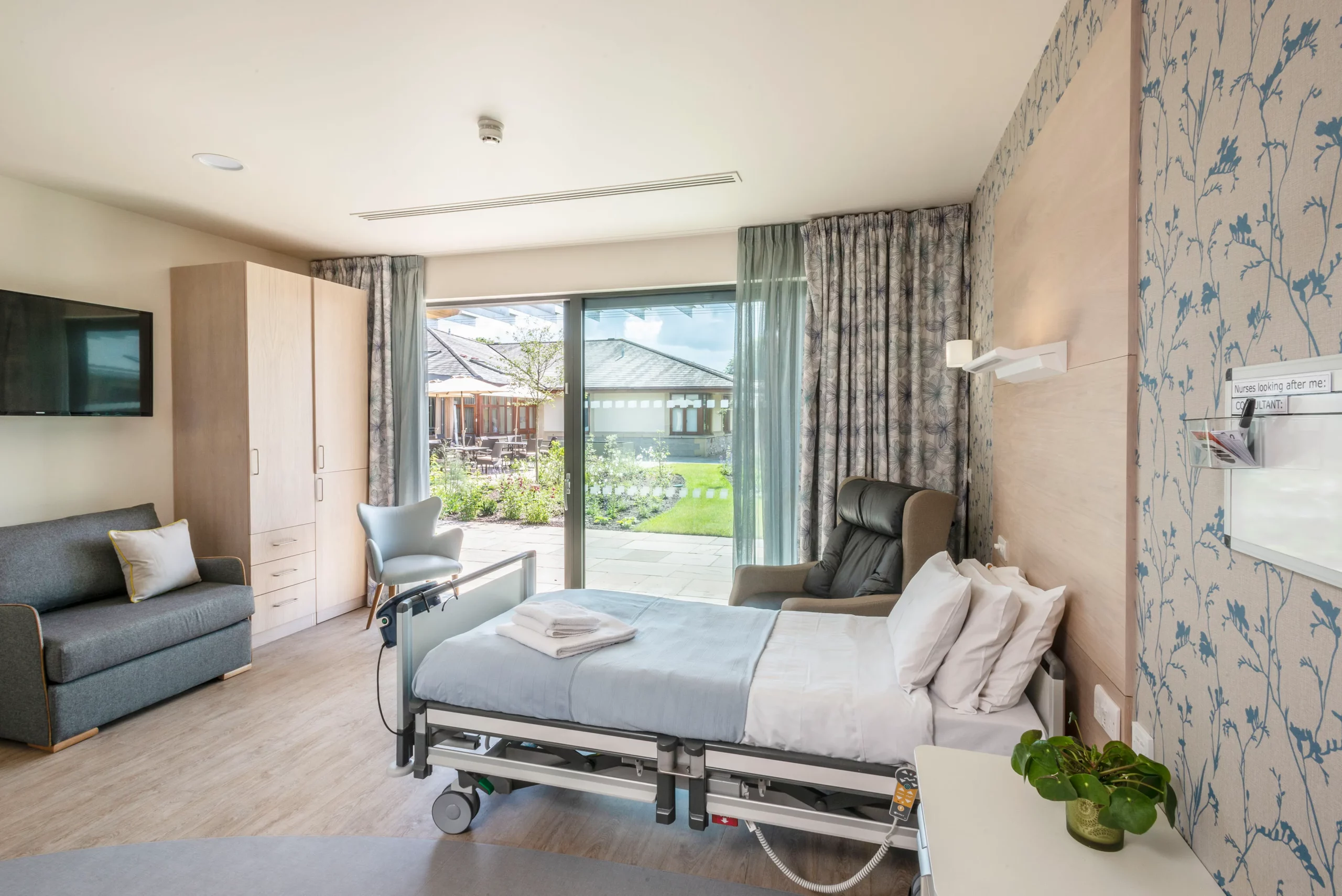
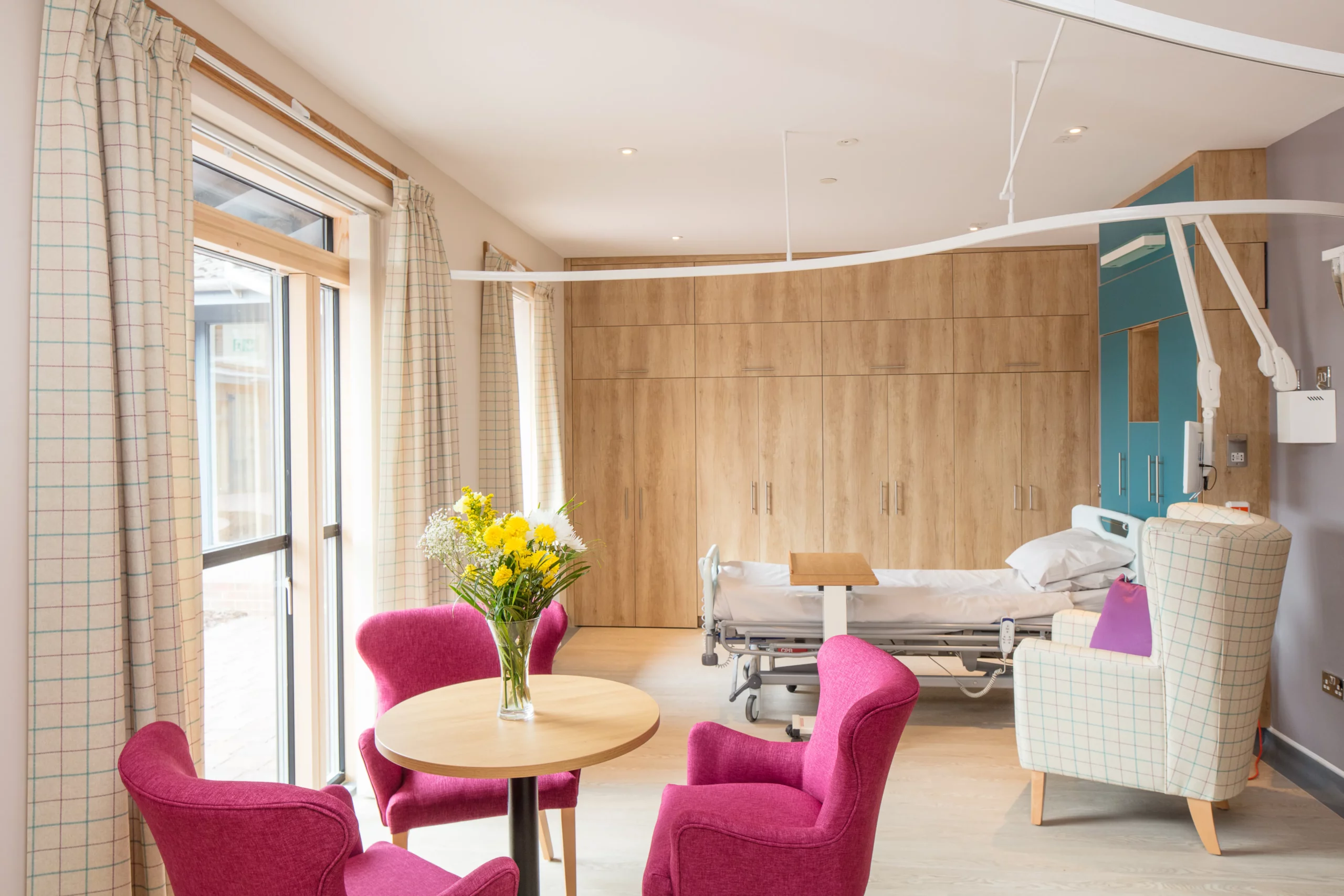
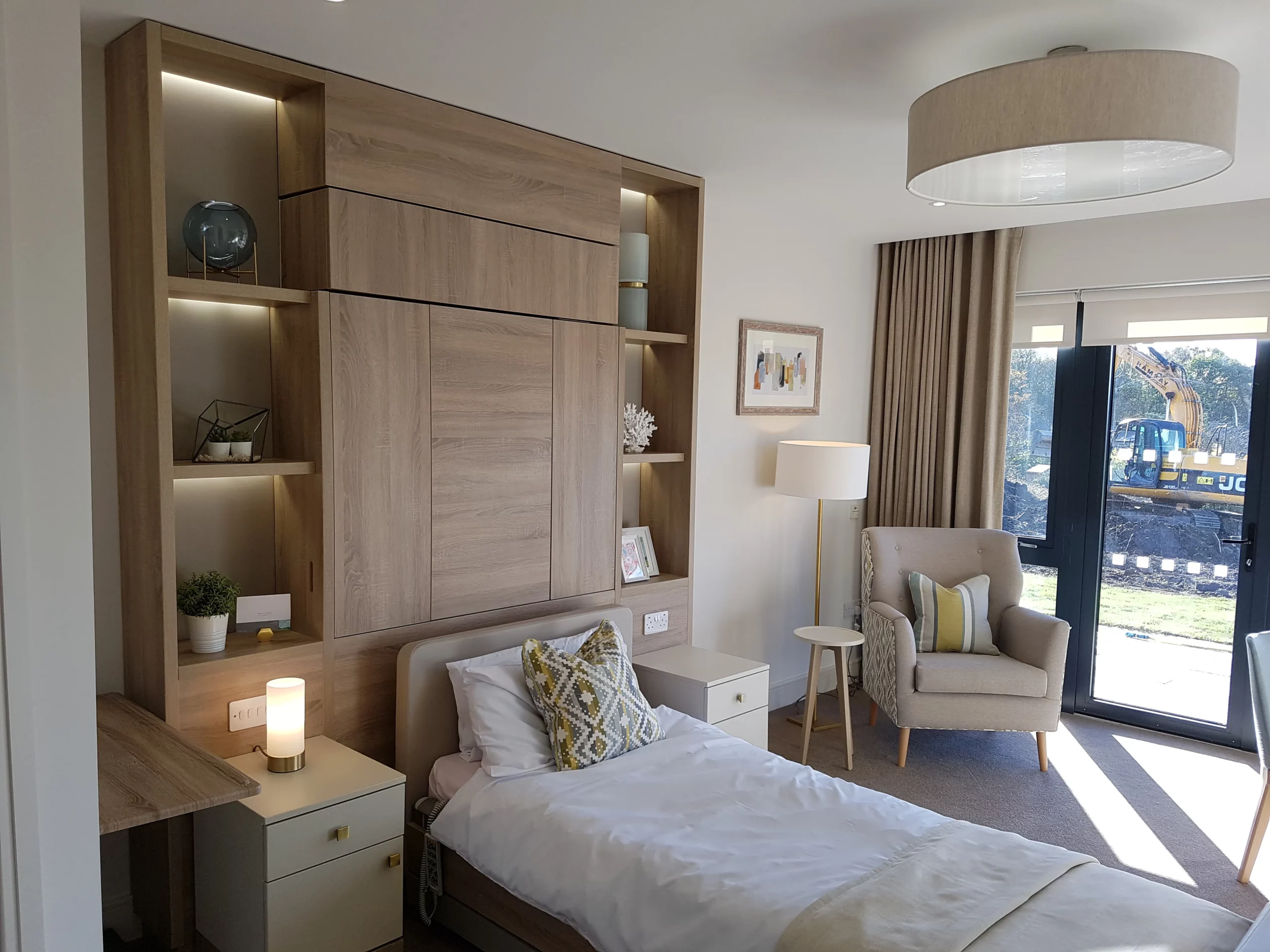
Opt for furniture that mimics the warmth and style of a traditional bedroom – think upholstered chairs, woodgrain finishes, and beds with domestic-style headboards. Multi-functional furniture like sleeper sofas or reclining chairs allows family members to rest comfortably during visits, fostering togetherness and emotional support.
High-low adjustable beds can be designed to look more like traditional beds, maintaining necessary clinical features while promoting a homier look.
Use Soft, Adjustable Lighting
Lighting directly influences mood, circadian rhythms, and sensory perception. In hospice bedroom design, incorporating layered and adjustable lighting can provide comfort throughout the day and night.
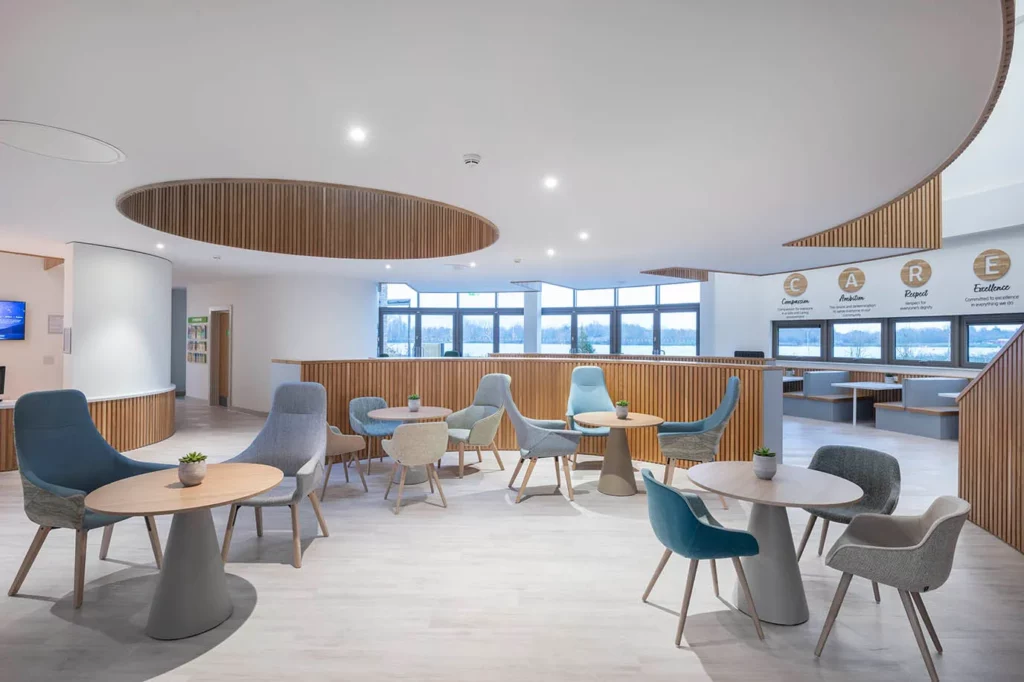
Utilise dimmable overhead fixtures combined with bedside lamps and floor lighting to allow for gentle transitions from daylight to evening. Natural light, when possible, should be maximised through large windows or skylights, offering a connection to the outdoors.
Avoid harsh fluorescent lights. Instead, use LED bulbs with warm tones to create a softer ambience. Consider motion-sensor night lights for safety during the night without disturbing sleep.

Integrate Nature and Natural Elements
Nature has a powerful therapeutic effect, especially in hospice settings. Incorporating natural elements into hospice bedroom design can significantly enhance emotional well-being and reduce anxiety.
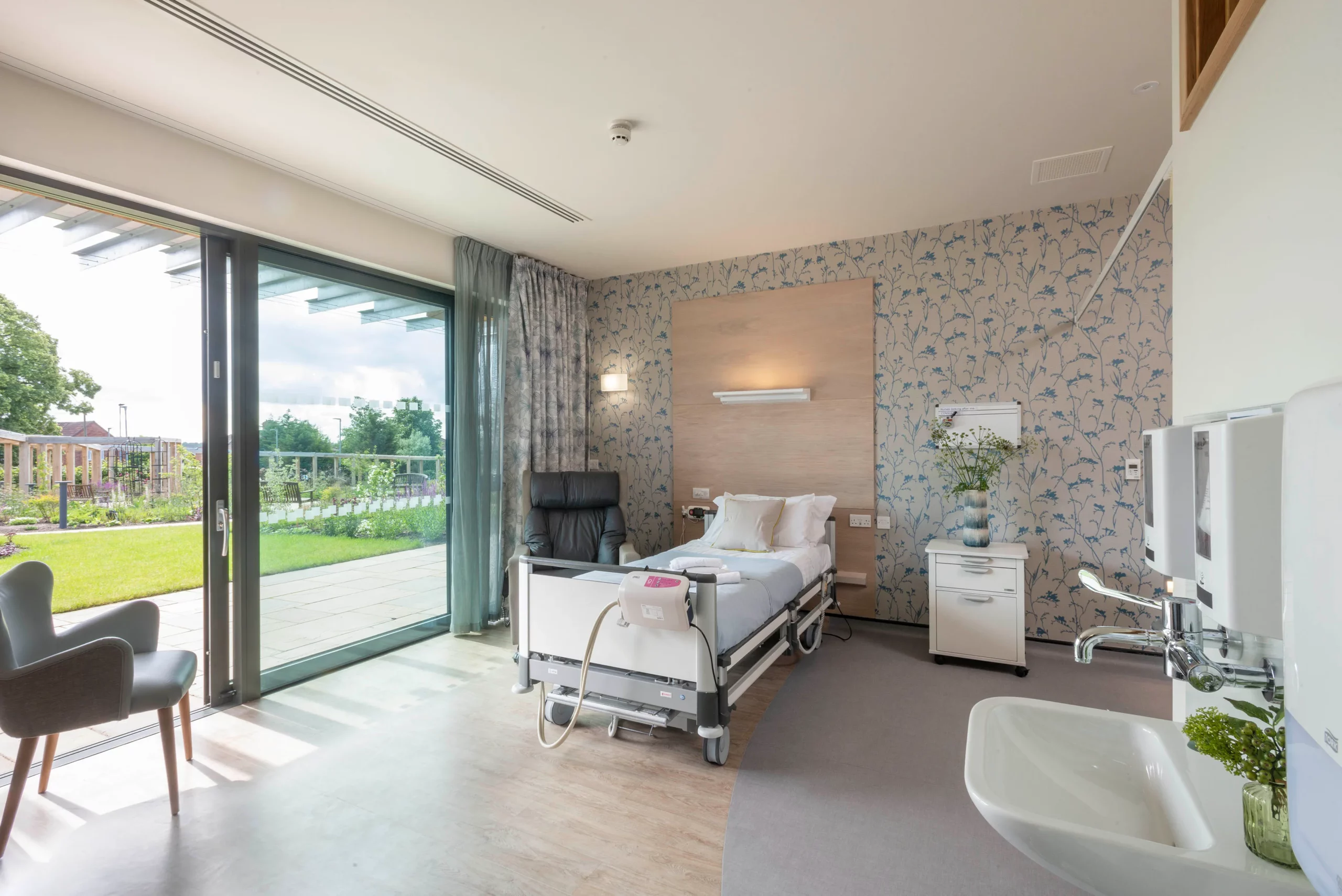
Add indoor plants that are low maintenance and non-toxic. Display nature-themed artwork, or bring in fresh flowers to invigorate the space with life and colour. When possible, arrange furniture to face windows that provide views of gardens, trees, or sky.
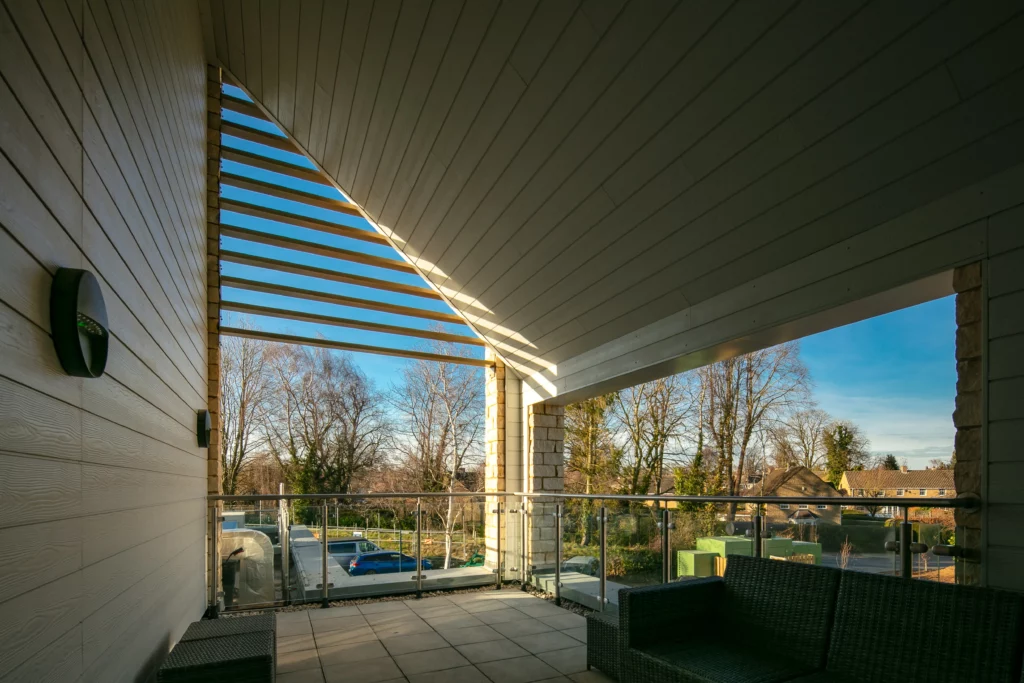
Designing access to outdoor areas, like private patios or communal healing gardens, can give patients a sense of freedom, fresh air, and peace.
Prioritise Privacy and Dignity
Privacy is essential in hospice care, and modern hospice bedroom design recognises this need with architectural and interior choices that promote autonomy.
Whenever possible, private rooms should be the standard, allowing patients and families uninterrupted time together. If shared rooms are necessary, include partitions or curtains that offer both visual and auditory privacy. Sound-absorbing materials like acoustic ceiling tiles, carpets, and upholstered furniture help reduce noise and create a quieter environment.
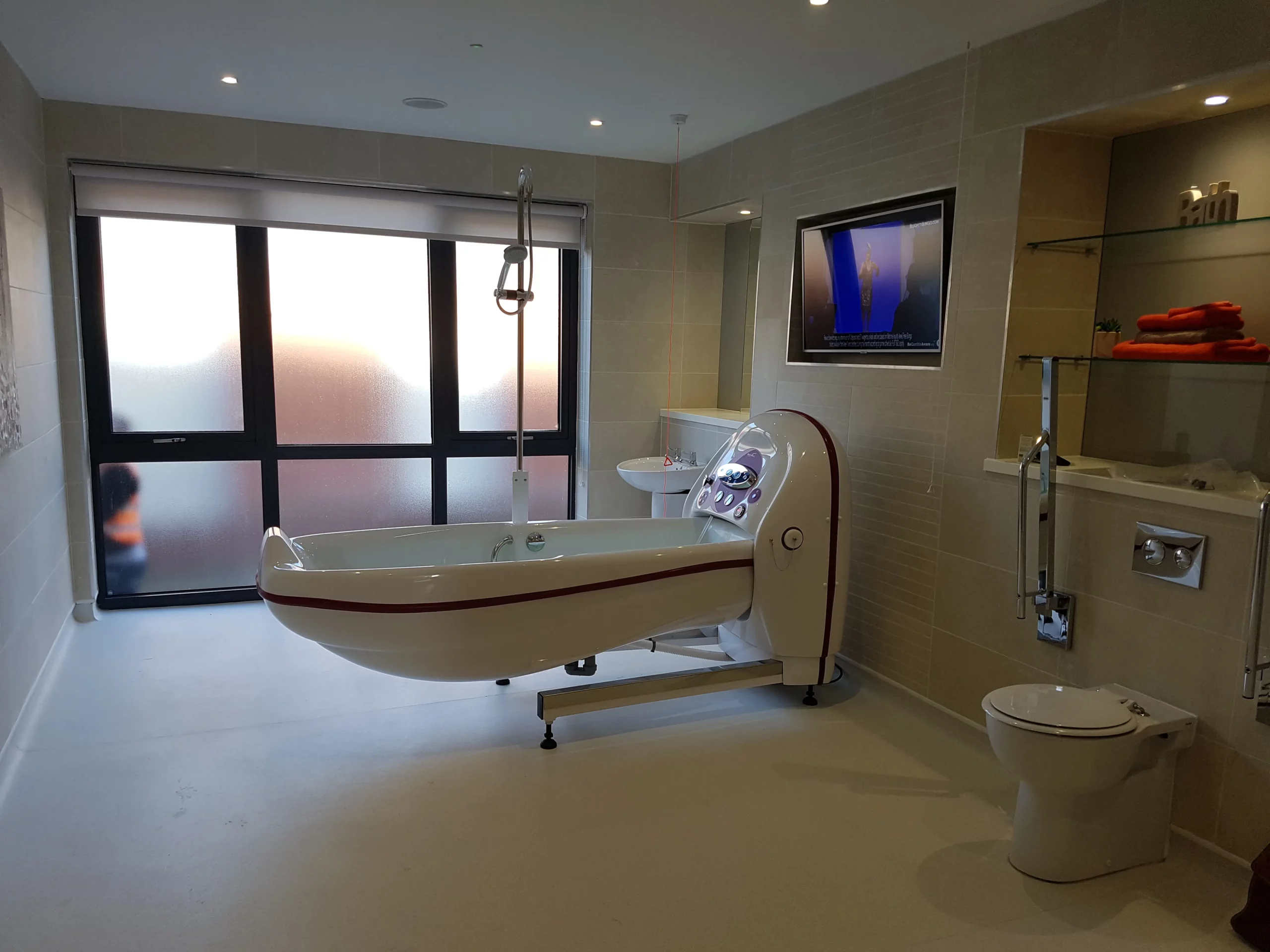
Design elements like private bathrooms, lockable storage, and designated family zones support the dignity and independence of both patients and visitors.
Include Space for Loved Ones
Hospice is not just about the patient – it’s about the entire family. Designating areas within the bedroom for family members to sit, rest, or stay overnight is an important aspect of modern hospice bedroom design.
Comfortable chairs, small tables for snacks or personal belongings, and even daybeds or sofa beds allow loved ones to remain nearby without discomfort. These design considerations help families stay connected during an emotionally intense time, offering both physical and emotional support.
Ensure Accessibility and Safety
Functionality should never be overlooked in hospice bedroom design. The space must be safe and accessible for patients with limited mobility, medical equipment, and caregiving staff.
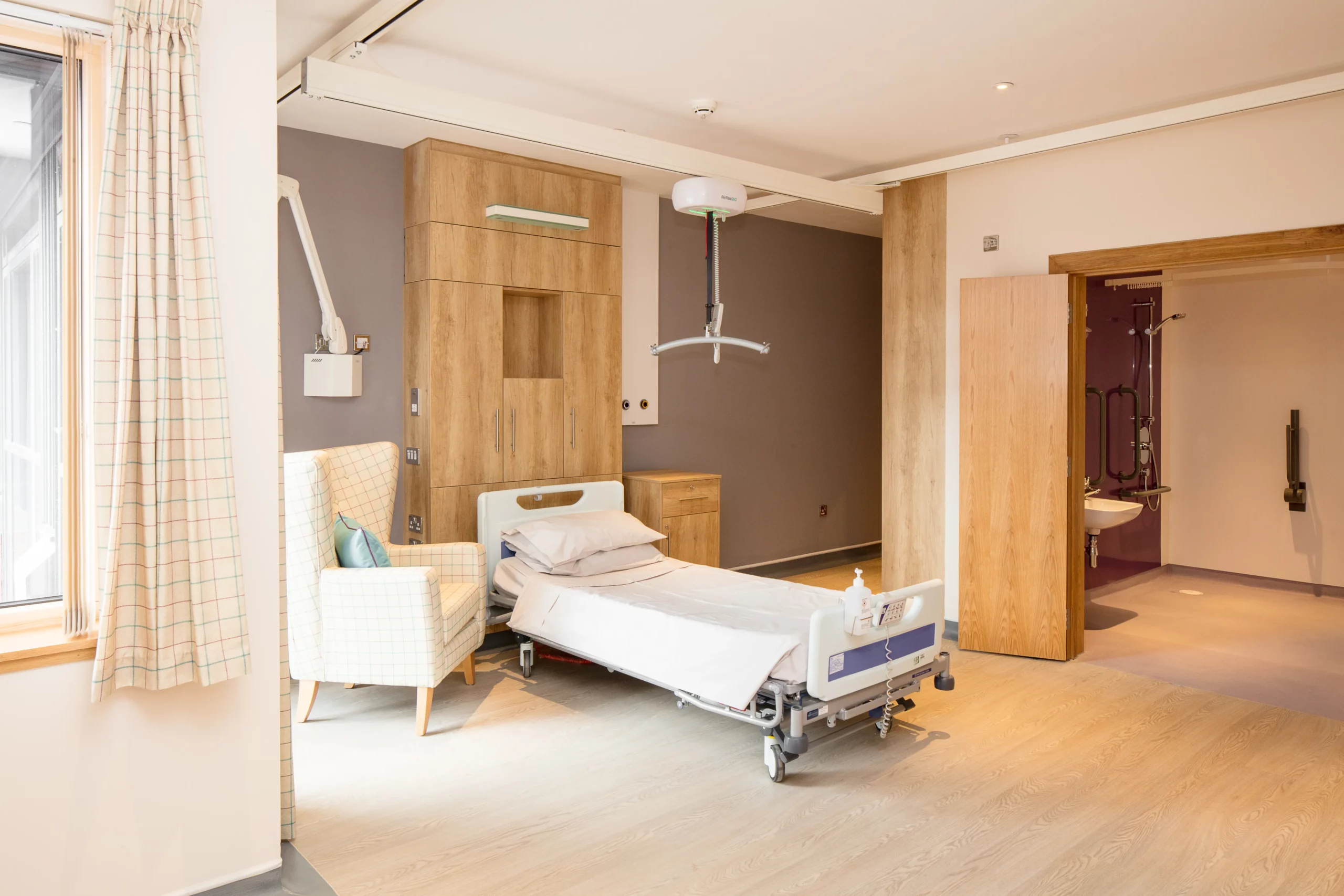
Ensure that the room layout accommodates mobility aids, such as walkers or wheelchairs, with wide, unobstructed pathways. Grab bars, anti-slip flooring, and easy-to-use remote controls for beds or lights are essential safety features. Also, make sure all necessary medical outlets and supplies are discreetly integrated into the room’s design to maintain aesthetics without sacrificing care quality.
Consider Sensory Comfort
Hospice patients may be sensitive to sounds, textures, and scents. Integrating sensory considerations into hospice bedroom design can improve comfort and reduce agitation.
Use soft, breathable bedding and tactile materials for furnishings. Play gentle music or nature sounds to enhance relaxation. Scented diffusers with calming aromas like lavender or chamomile can also contribute to a soothing atmosphere, but always be mindful of individual sensitivities or allergies.

Conclusion
A well-thought-out hospice bedroom design can transform a standard room into a sanctuary of peace, dignity, and love. By combining functional necessities with emotional and sensory considerations, hospice care providers can create meaningful spaces that support the holistic needs of patients and their families.
Frequently Asked Questions About Hospice Bedroom Design
What is hospice bedroom design?
Hospice bedroom design focuses on creating peaceful, comfortable, and personalised spaces that support patients’ physical, emotional, and psychological needs in end-of-life care. A well-designed hospice bedroom prioritises dignity, serenity, and accessibility, ensuring that patients feel at ease while receiving care.
Key elements of hospice bedroom design include:
- Calming colour schemes to reduce anxiety and promote relaxation
- Soft, adjustable lighting to create a soothing atmosphere
- Comfortable, homelike furniture that blends functionality with warmth
- Personalised décor to foster familiarity and emotional connection
- Accessibility features such as grab bars, anti-slip flooring, and mobility-friendly layouts
By integrating these elements, hospice bedrooms become sanctuaries of comfort and care, supporting both patients and their loved ones during a sensitive time.
How can I make a hospice bedroom more peaceful?
Creating a peaceful hospice bedroom involves thoughtful design choices that enhance comfort, relaxation, and emotional well-being. Here are some key strategies:
- Choose calming colours like soft blues, sage greens, and warm neutrals to create a serene environment
- Use soft, layered lighting with dimmable fixtures and bedside lamps to reduce harsh brightness
- Incorporate nature-inspired elements such as indoor plants, nature-themed artwork, or fresh flowers
- Minimise noise with sound-absorbing materials like carpets, upholstered furniture, and acoustic panels
- Personalise the space with familiar items like framed photos, favourite blankets, or meaningful décor
A peaceful hospice bedroom should feel warm, inviting, and emotionally supportive, helping patients feel secure and at ease.
Why is lighting important in hospice bedroom design?
Lighting plays a critical role in hospice bedroom design by influencing mood, sleep cycles, and overall comfort. Thoughtful lighting choices can:
- Reduce stress and anxiety by avoiding harsh fluorescent lights and opting for warm-toned LED bulbs
- Support circadian rhythms with adjustable lighting that transitions smoothly from day to night
- Enhance relaxation with bedside lamps, dimmable overhead fixtures, and motion-sensor night lights
- Maximise natural light through large windows or skylights, providing a connection to the outdoors
- Improve safety with soft night lighting to prevent falls and ensure easy navigation
By integrating layered, adjustable lighting, hospice bedrooms can create a gentle, comforting atmosphere that supports both patients and their families.
What furniture is best for hospice bedrooms?
Hospice bedroom furniture should be comfortable, functional, and homelike, avoiding overly clinical aesthetics while maintaining essential care features. Ideal furniture choices include:
- Adjustable beds with high-low functionality that resemble traditional beds for a homier feel
- Upholstered chairs and sofas to provide comfortable seating for patients and visitors
- Multi-functional furniture like sleeper sofas or reclining chairs for family members staying overnight
- Woodgrain finishes and soft textures to create a warm, inviting environment
- Storage solutions such as bedside tables and lockable cabinets for personal belongings
Selecting thoughtfully designed furniture ensures that hospice bedrooms feel welcoming, supportive, and conducive to quality care.
Can hospice bedrooms be personalised?
Yes, personalisation is essential in hospice bedroom design, helping patients feel emotionally connected and comforted in their space. Ways to personalise a hospice bedroom include:
- Displaying framed photos of loved ones to create a sense of familiarity
- Incorporating favourite blankets, pillows, or bedding for added comfort
- Adding meaningful artwork or décor that reflects personal tastes and memories
- Bringing in familiar books, music, or scents to evoke positive emotions
- Encouraging family involvement in decorating the space to make it feel more like home
A personalised hospice bedroom fosters emotional well-being, dignity, and a sense of belonging, making the environment more supportive and comforting for patients.
How can hospice bedrooms support family members?
Hospice bedrooms should accommodate family members and caregivers, ensuring they feel welcome and comfortable. Design considerations include:
- Providing seating areas with comfortable chairs and small tables
- Including sleeper sofas or daybeds for overnight stays
- Creating designated family zones for privacy and emotional support
- Offering storage space for personal belongings and essentials
By integrating family-friendly features, hospice bedrooms can foster connection, togetherness, and emotional support during difficult times.
What accessibility features should be included in hospice bedrooms?
Hospice bedrooms must be safe and accessible for patients with limited mobility and medical needs. Essential accessibility features include:
- Wide, unobstructed pathways for wheelchairs and walkers
- Grab bars and anti-slip flooring to prevent falls
- Easy-to-use remote controls for beds, lighting, and medical equipment
- Private bathrooms with accessible fixtures for dignity and independence
Prioritising accessibility and safety ensures that hospice bedrooms remain functional, comfortable, and supportive for all users.